NYC Mayor Vetoes School Protest Security Bill
Mamdani issued his first veto Friday, blocking a bill on NYPD school protest perimeter plans as the City Council weighs an override.
Cuneyd Erdogan ·
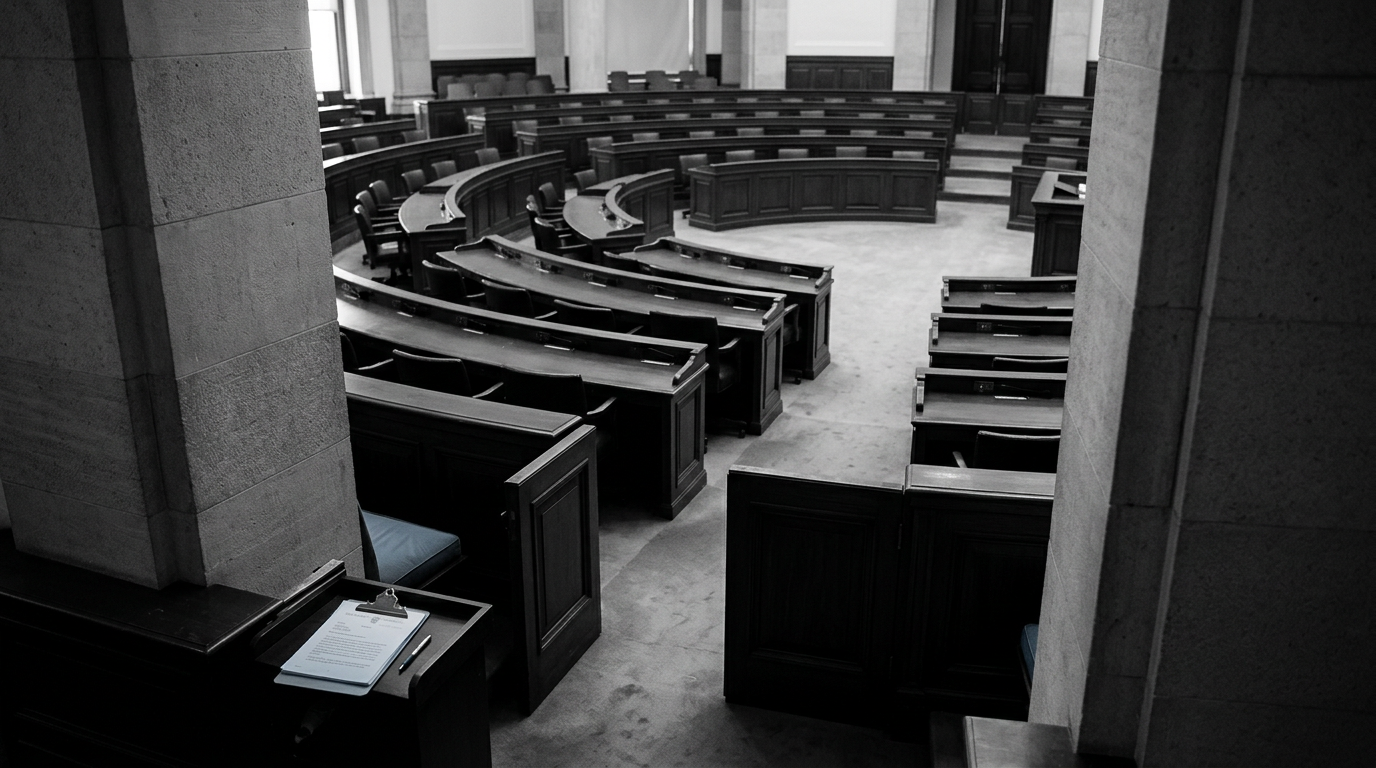
New York City Mayor Zohran Mamdani on Friday vetoed a City Council measure that would have required the New York Police Department to disclose its approach to setting security perimeters around educational facilities during protests. The action was Mamdani’s first veto as mayor and comes amid increasingly visible friction between the mayor’s office and the City Council.
The bill had cleared the Council by a 30-19 vote. Under the legislation, the NYPD would have been directed to prepare a plan for managing protest-related risks near schools while avoiding violations of First Amendment protections. The proposal also required that the plan be delivered to the mayor and the Council speaker and then published online.
In explaining his decision, Mamdani said he believed the measure could be applied in ways that reach beyond its stated purpose. He said it could be used against a wide range of protest participants, naming labor movements, reproductive rights advocates, and people supporting Palestinian rights as examples. He also pointed to concerns raised by nearly a dozen unions, saying they warned the bill could interfere with organizing activity.
City Council Speaker Julie Menin, who backed the school-focused bill and also sponsored a separate, modified measure related to houses of worship, said she is considering whether to pursue an override of the veto. The school bill’s initial passage fell four votes short of the threshold needed for a veto-proof majority, leaving the next steps dependent on whether additional Council members shift their position.
Menin said the intent of the legislation was to protect access to schools and maintain safety while also safeguarding First Amendment rights. The veto, and the possibility of an override attempt, places the Council and the mayor’s office on opposing sides of how to balance public order planning with concerns about how protest rules might be used in practice.
Separately, Mamdani allowed a related bill addressing protests outside houses of worship to take effect without signing it and without issuing a veto. He said a legal review concluded that the houses-of-worship measure carried fewer risks than he had initially believed, distinguishing it from the school bill he rejected.
For markets and institutions that track city governance, the episode underscores how policy outcomes can hinge on the mayor-Council relationship and the mechanics of vote counts. It also highlights uncertainty around whether the Council can assemble enough support to override the veto, and how future protest-related legislation may be shaped by legal review and stakeholder objections.
Implications
Country Impact: undefined
Industry Impact: undefined
Market Impact: undefined