Mamdani-backed challengers unseat incumbents in NYC races
Mamdani endorsements helped three candidates win NY Democratic House primaries, signaling growing influence for the mayor’s coalition citywide.
Lauren Collins ·
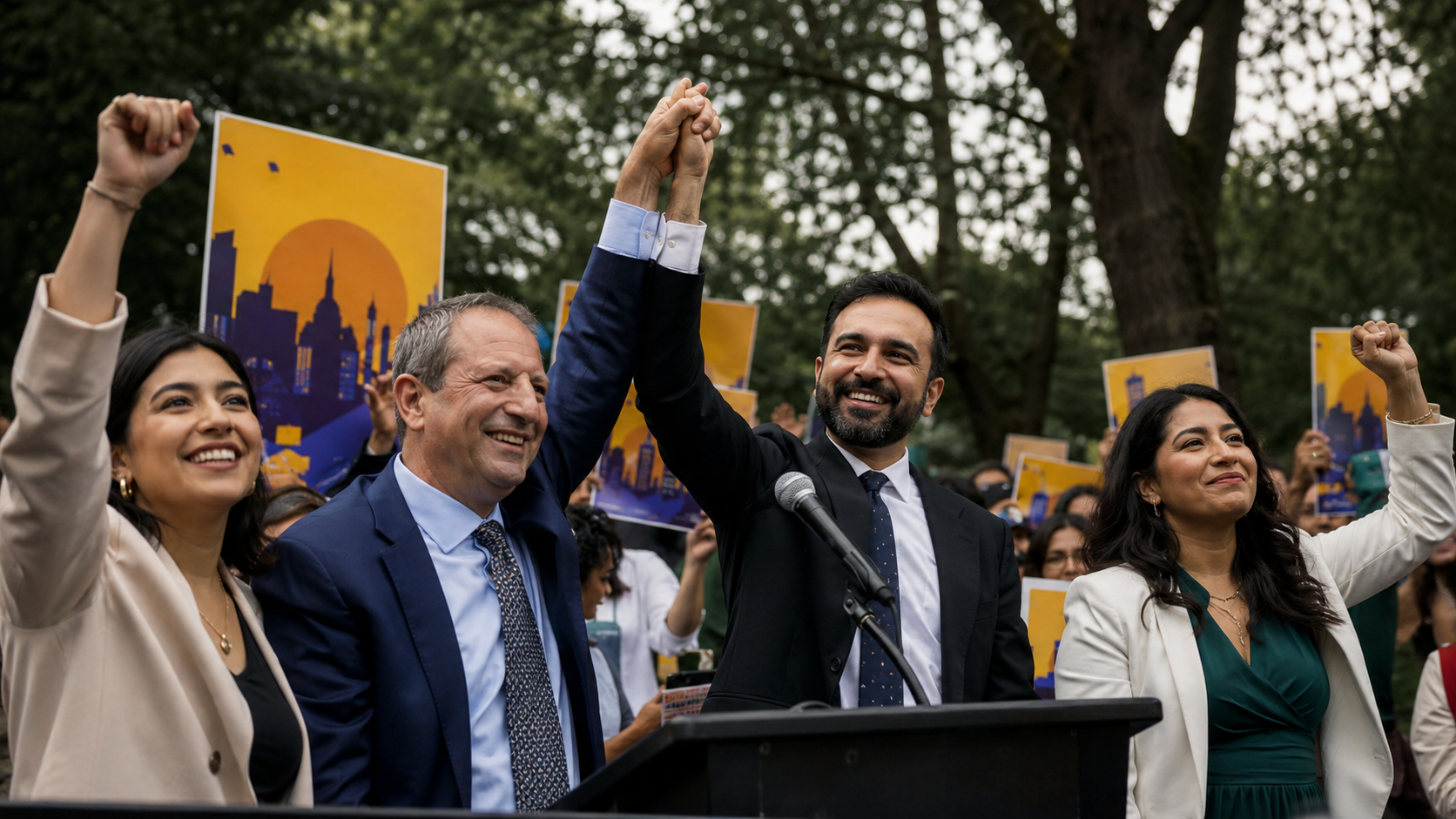
Mamdani endorsements helped propel three candidates to Democratic primary victories in New York on Tuesday, underscoring the expanding reach of the city mayor’s political coalition.
The results included incumbent defeats and a projected upset, illustrating how internal party debates—especially around ideology, Israel and immigration—are reshaping key New York districts.
Victories span three House districts
In New York’s 10th Congressional District, former New York City Comptroller Brad Lander defeated two-term Representative Dan Goldman. The district covers parts of Manhattan and Brooklyn and is one of the city’s most watched Democratic primaries.
In the 7th Congressional District, which includes areas of Queens and Brooklyn, New York state lawmaker Claire Valdez won her Democratic primary. Her victory adds another congressional contender aligned with the mayor’s organizing network.
In the 13th Congressional District, Darializa Avila Chevalier—described as a community organizer and graduate student—was projected to defeat incumbent Representative Adriano Espaillat. The projection was reported by Decision Desk HQ.
A mayoral coalition tests its strength beyond City Hall
The trio of wins points to an effort to translate a municipal political operation into congressional influence. The mayor’s coalition, which surprised many observers with last year’s New York City mayoral outcome, appears to be building a coordinated presence in down-ballot contests.
While Democratic primaries in New York often reflect local issues, these races also turned into proxy fights over the party’s direction. The contests exposed widening splits in the city’s Democratic electorate over ideological alignment and priorities.
Several of the clearest fault lines involved positions on Israel and immigration, issues that have intensified intraparty tensions across the country. In New York City—home to large immigrant communities and politically active constituencies on Middle East policy—those debates can carry direct electoral consequences.
Implications for incumbents and party strategy
Defeats of established figures signal that name recognition and prior office may be less decisive in Democratic contests than in past cycles. The outcomes suggest challengers can assemble winning coalitions by tapping energized grassroots networks and aligning with high-profile local leaders.
For incumbents, the results may prompt a recalibration of campaign strategies, including greater focus on base turnout and clearer positioning on divisive national issues. For party organizations, the races provide new data on where voter coalitions are shifting and which messages mobilize core constituencies.
The next step is whether the newly nominated candidates can unify Democratic voters ahead of the general election and whether the mayor’s allies continue to expand into additional contests. Attention will also turn to how congressional delegations from New York adjust to the emerging balance of power within the city’s Democratic Party.