Madrid F1 Circuit Faces Noise and Environmental Objections
Madrid residents and environmental groups oppose the new F1 circuit over noise pollution and environmental damage, ahead of the September Grand Prix.
Lauren Collins ·
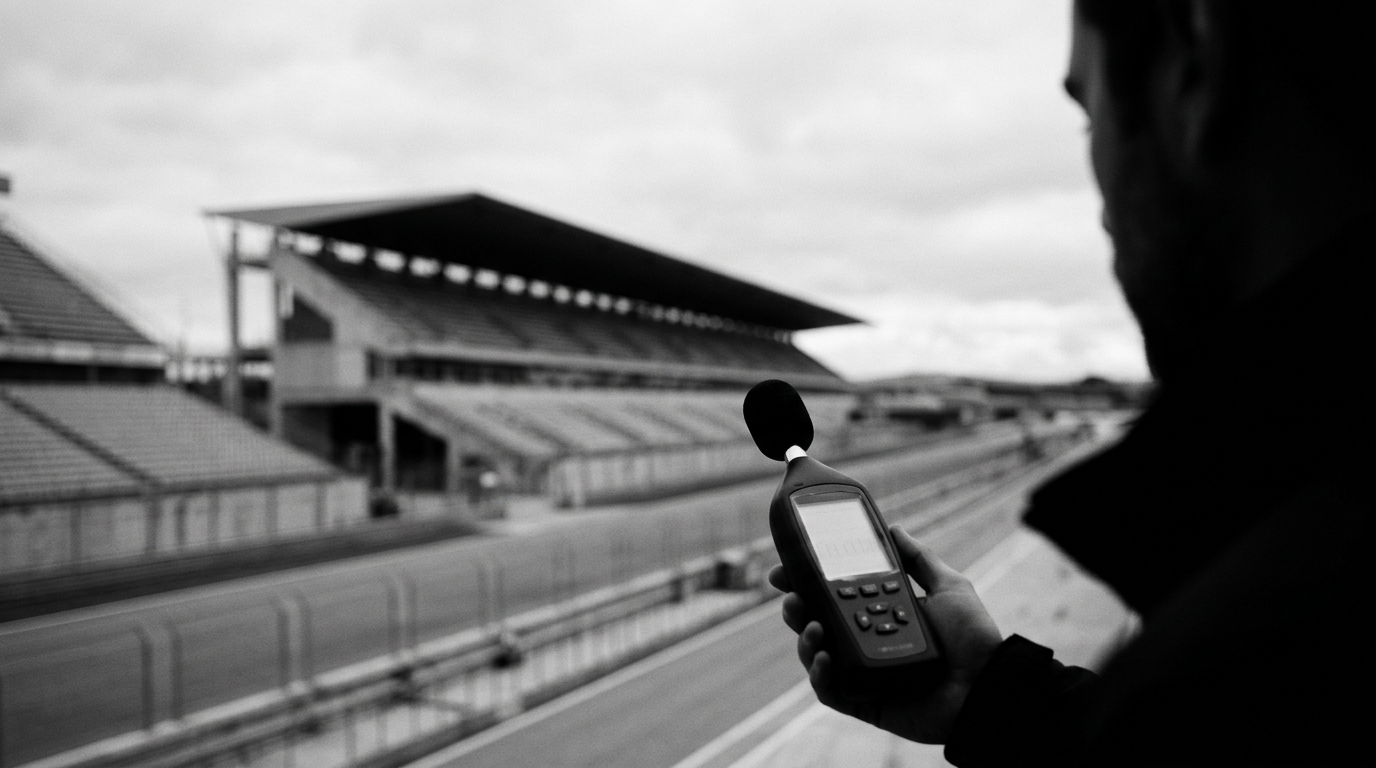
A newly completed Formula One circuit in Madrid is facing substantial opposition from local residents and environmental organizations. The 5.4-kilometer track, intended to host the Spanish Grand Prix between September 11 and 13, has drawn criticism primarily over noise pollution and its environmental impact, according to reports following recent test trials.
Data collected by the Stop F1 Madrid platform indicates that initial Formula Three vehicle tests last week produced average noise levels of 102.7 decibels, with peaks reaching between 107.7 and 109.1 decibels. These readings significantly exceed the 55-decibel limit established for residential zones within the capital. Residents have reported disruptions to their remote work and adverse effects on vulnerable community members due to the elevated noise.
Officials Defend Economic Benefits
Regional authorities have defended the project, stating that the economic benefits generated by hosting an international event like Formula One outweigh temporary inconveniences. Urban planning officials have pledged to install acoustic panels to mitigate noise. They also highlighted that Formula One cars typically produce less noise compared to the Formula Three vehicles used in the recent trials. The regional government continues to emphasize the circuit's role in strengthening Madrid's standing as a global hub for major sporting events.
Environmental Concerns Persist
Beyond the issue of noise, environmental groups have voiced concerns regarding the destruction of local wetlands and the removal of over 700 trees for the project. These organizations argue that the development contributes to the urban heat island effect, where metropolitan areas experience significantly higher temperatures than surrounding rural regions. This particular issue is critical in Madrid, given that summer temperatures frequently surpass 40 degrees Celsius (104 degrees Fahrenheit).
Potential Future Challenges
The controversy surrounding the circuit could lead to several outcomes. If legal actions initiated by resident groups gain traction, regional authorities might be compelled to implement more rigorous mitigation measures. Such actions could increase overall project costs and potentially delay future events. Conversely, if the projected economic advantages materialise as officials anticipate, public sentiment could shift positively, reinforcing Madrid's position for recurring large-scale events and benefiting the company managing the circuit.
However, ongoing environmental damage or unresolved noise complaints could harm Madrid's international reputation and lead to long-term dissatisfaction within the community. This scenario could impact local governance and the broader events industry, potentially affecting the city's ability to attract other significant global events in the future.