Controlled Blasts Aid Nepal Hydropower Worker Rescue
International teams are using controlled explosions to access over 600 workers trapped in Nepal's hydropower tunnels after floods, with 939 fatalities…
Atlas Newsdesk ·
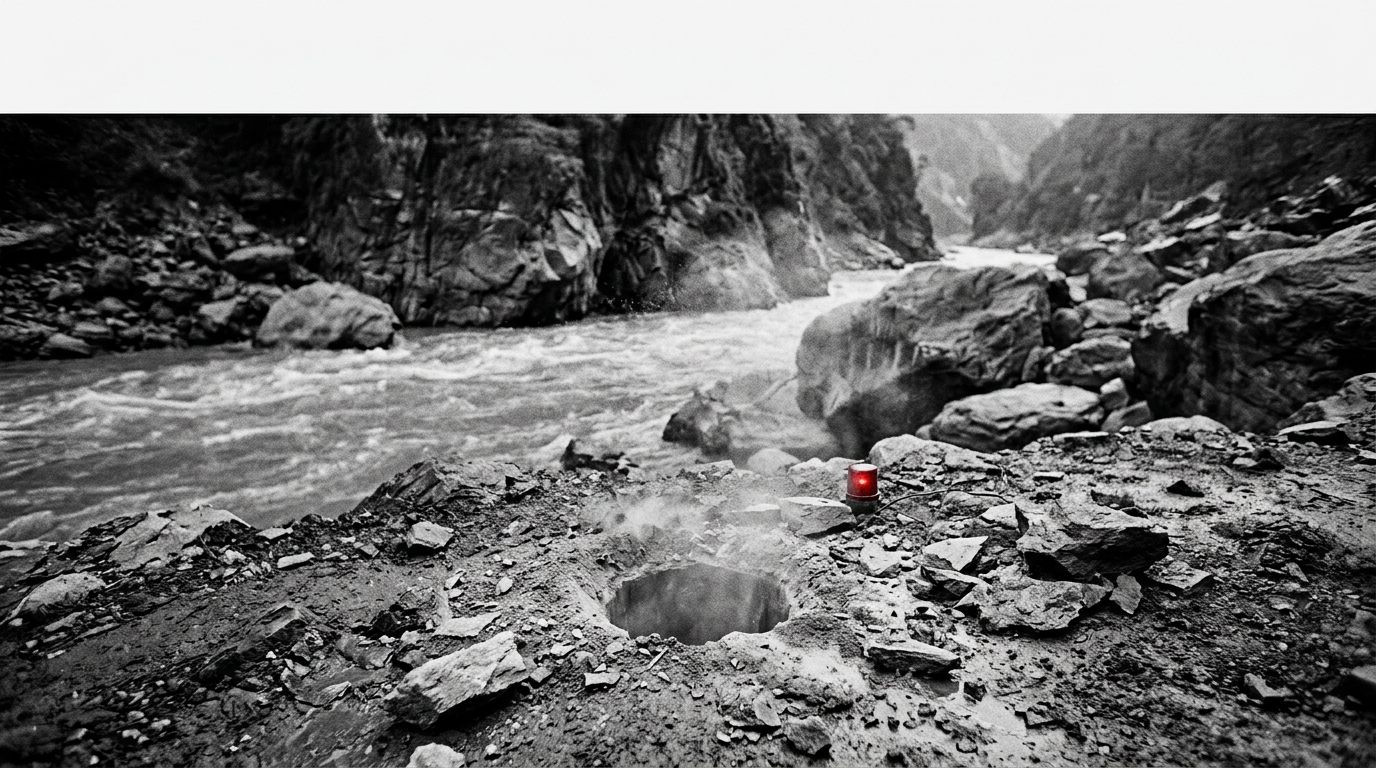
International rescue operations are utilizing controlled blasting techniques to clear debris and open access routes into tunnels along Nepal's Trishuli River. This critical effort aims to reach more than 600 workers stranded within hydropower facilities following severe flooding. The multinational mission involves military personnel from Nepal and China, alongside international specialists, with a particular focus on the Trishuli-3A site. Rescuers are actively delivering fresh air into the subterranean networks to support potential survivors.
The recent catastrophic floods have led to a significant loss of life, with official reports indicating 939 fatalities across Nepal. Additionally, 3,925 individuals are currently reported as missing, including 592 foreign nationals, underscoring the broad human impact of the disaster. The widespread damage to vital infrastructure, particularly in the hydropower sector, presents ongoing challenges for recovery efforts.
Hydropower Infrastructure Devastation
Eleven hydropower projects have sustained substantial damage due to the floods. This destruction has severely impeded access to tunnel systems, which are now buried under massive amounts of debris and boulders. Despite the hazardous and challenging conditions, 279 workers have been successfully retrieved from these affected locations. Experts note that the natural landscape in the disaster zones has been fundamentally altered, making it extremely difficult to identify the original entrances to the damaged tunnels. Essential infrastructure was obliterated by the floodwaters, resulting in extensive entrapment of personnel within underground facilities.
Ongoing Rescue and Recovery Efforts
The current phase of the rescue operation heavily relies on extensive excavation work and the strategic use of controlled blasting. These methods are indispensable for overcoming the geological obstructions blocking passage to the trapped workers. The precise timeframe for survival for those still underground remains uncertain. Officials are maintaining a strong focus on providing oxygen and establishing reliable access points into the tunnels. Meanwhile, in Chitwan, downstream from the disaster areas, authorities have initiated temporary burial procedures for unidentified human remains. This measure allows for the collection of DNA samples while managing the large volume of casualties.
Broader Context of Nepal's Hydropower Sector
Nepal possesses an estimated hydropower potential exceeding 40,000 megawatts, making it a crucial sector for the nation's energy security and economic development. The country aims to export surplus electricity to neighboring nations, especially India. These recent floods, however, expose the vulnerability of significant infrastructure projects to extreme weather events, a growing concern amid changing global climate patterns. The Trishuli River basin, a key hub for hydropower development, hosts many of these projects. The long-term impacts on Nepal's energy strategy and its commitments for regional power trade will necessitate extensive reassessment and considerable investment in resilient infrastructure. Continued international community support will be vital for both immediate humanitarian needs and future reconstruction.