African NGOs Seek Probe into Guinea Mass Grave Discovery
A coalition of 20 African NGOs demands an independent probe into six bodies found in a Guinea mass grave, amid political instability.
Lauren Collins ·
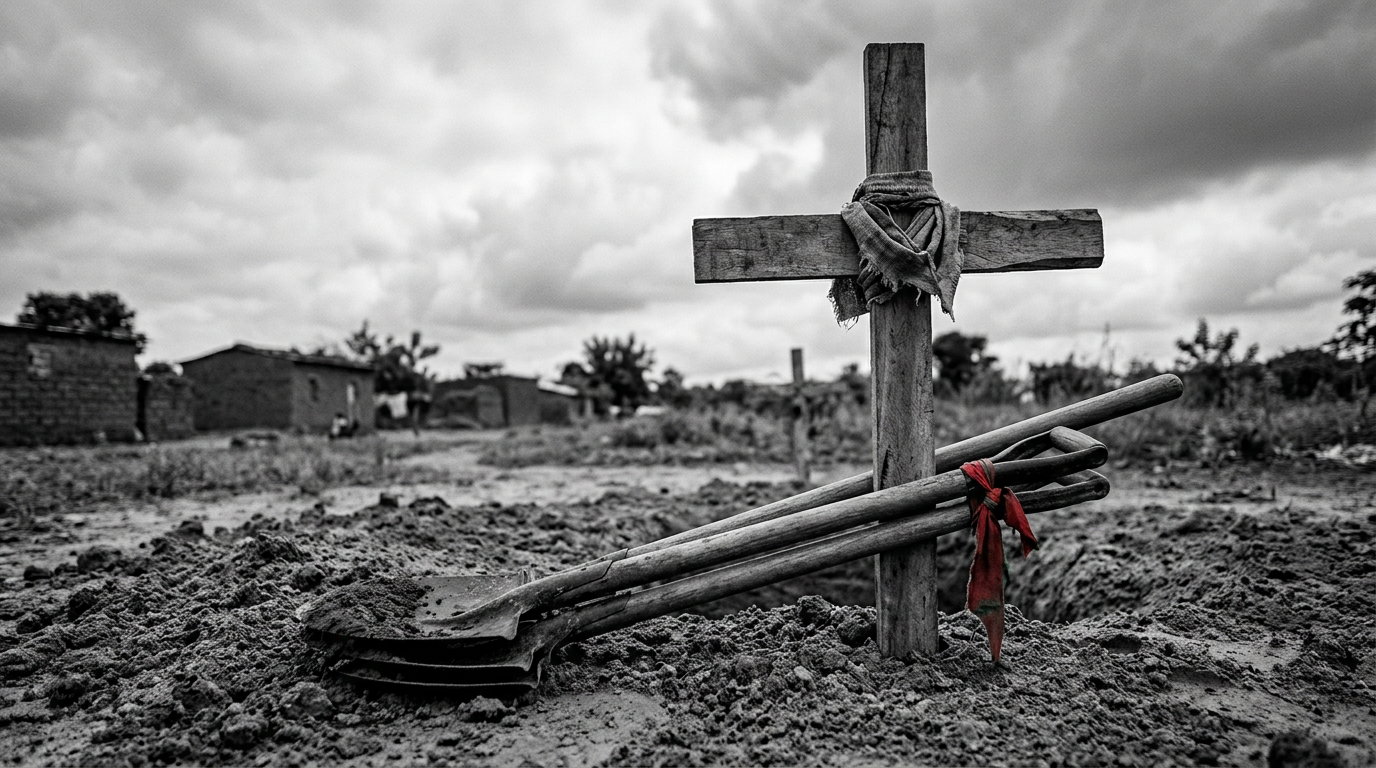
A group comprising 20 civil society organizations from across Africa has formally requested an independent investigation into the discovery of six unidentified bodies. The remains were found in a mass grave in the village of Alassoya, Guinea, on August 24. Local residents made the initial discovery, noting that the bodies appeared to have been bound and blindfolded, prompting immediate calls for thorough forensic examination.
This finding has intensified concerns regarding human rights in Guinea, a nation experiencing significant political turmoil since a military coup in 2021. The coup brought President Mamady Doumbouya to power, leading to an environment where civil liberties have reportedly been curtailed. Advocacy groups, including Afrikajom Centre and Tournons La Page, have documented at least 35 cases of enforced disappearances since the military assumed control.
Calls for Independent Oversight
The coalition of NGOs suggests that the condition of the recovered bodies indicates potential extrajudicial or summary executions. They are advocating for international forensic assistance to help identify the victims and ascertain their precise causes of death. Such independent oversight is deemed crucial to ensure a credible and impartial investigation, especially given the history of similar unresolved cases in the country.
Guinea's Armed Forces have acknowledged the discovery. Military officials stated that the bodies were transported to a hospital in the Forecariah prefecture for identification processes. They have also pledged to conduct an inquiry and publicly release their findings. However, a similar mass grave found in the same region last year has yet to be resolved, fostering skepticism among international observers about the transparency and effectiveness of domestic investigations.
International and Local Pressures
The lack of progress in past investigations, coupled with this recent discovery, significantly amplifies the demand for external involvement. France has publicly joined the call for a transparent and impartial investigation, underscoring the international community's growing interest and concern. The NGOs stress that an investigation supported by both national and international forensic experts is essential for a formal and reliable identification process.
Since the 2021 military takeover, which ousted President Alpha Condé, Guinea has seen widespread suppression of dissent. Opposition parties have been suspended, public protests have been banned, and numerous opposition and civil society leaders have faced arrest or been forced into exile. This backdrop of curtailed freedoms and political repression shapes the context in which the mass grave discovery is being viewed, fueling concerns over potential human rights abuses.
The military junta’s extended transitional period has drawn increasing criticism internationally. Reports from various human rights organizations consistently highlight issues such as arbitrary detentions, restrictions on assembly, and a perceived lack of accountability for alleged abuses by security forces. The unified demand from African NGOs signals a regional and international push for greater transparency and justice in Guinea, with the outcome of any investigation likely influencing the junta's international standing and its relationship with civil society.