Algeria Considers Death Penalty for Arsonists After Wildfires
Algeria's President Abdelmadjid Tebboune directed new legislation for the death penalty for arsonists after deadly wildfires, replacing life imprisonment.
Lauren Collins ·
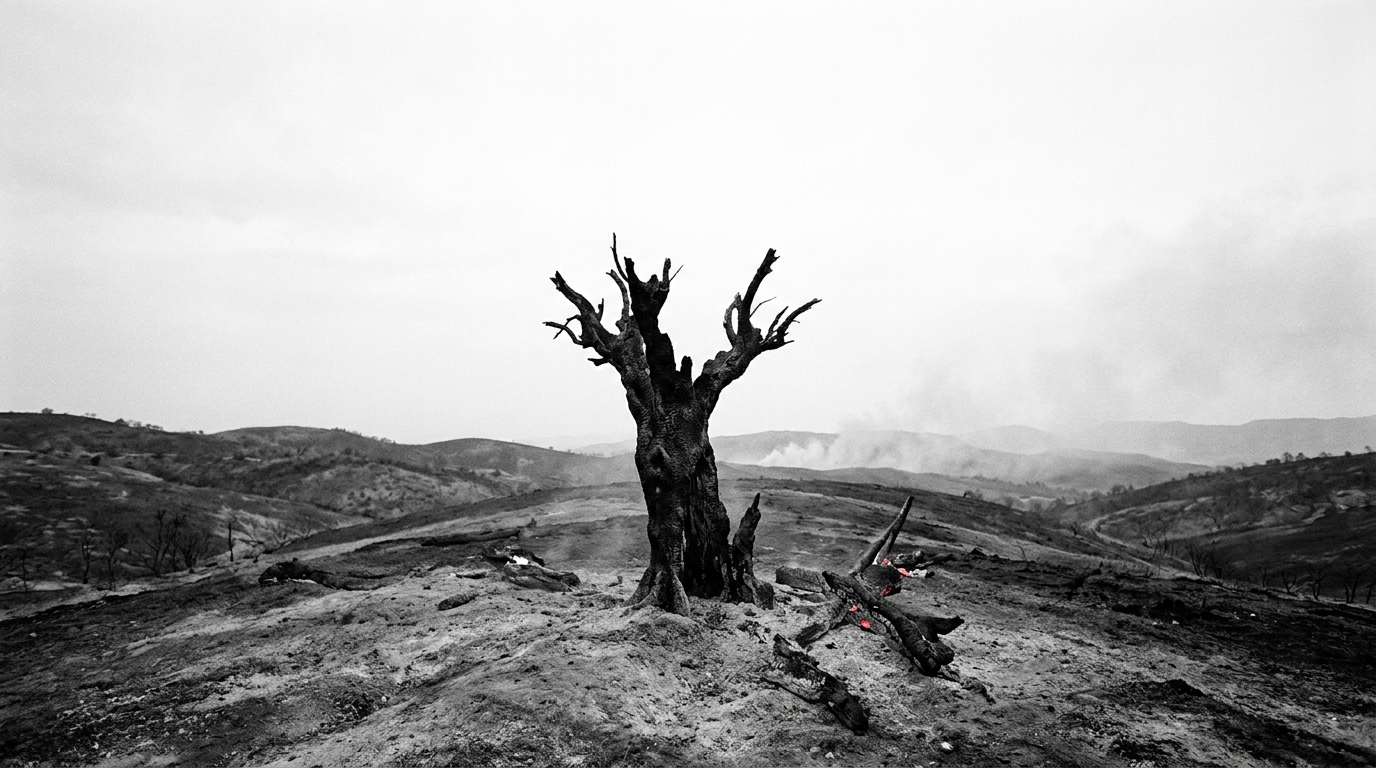
Algerian President Abdelmadjid Tebboune has mandated the Ministry of Justice to prepare new legislation introducing the death penalty for individuals found guilty of intentionally starting forest fires. This directive was issued on Sunday, following a series of destructive wildfires that ravaged the country's northeastern regions. These fires led to at least 12 fatalities and left 54 people injured. The proposed legal amendment, which is anticipated by September 15, aims to significantly escalate the punitive measures for such offenses, moving beyond the current maximum sentence of life imprisonment.
President Tebboune highlighted the suspicious timing and simultaneous ignition of numerous fires, particularly around 1 a.m., suggesting potential criminal coordination. Security authorities have since initiated an investigation to ascertain the precise origins of these blazes. The existing Algerian legal framework already permits capital punishment for various crimes, though no executions have been carried out in the nation since 1993.
Legislative Push for Harsher Penalties
Under current Algerian laws, intentionally setting forest fires can lead to prison sentences of up to 30 years, with the possibility of life imprisonment in cases involving aggravated circumstances. The government's drive for this new legislation underscores the gravity with which it views the recent incidents and its determination to deter future acts of arson. This move reflects a broader national strategy to enhance public safety and protect vital natural resources.
Beyond legislative action, the Algerian government has commenced extensive recovery operations in the most affected provinces, which include Jijel, Bejaia, and Tizi Ouzou. Authorities have set a deadline of Saturday for the restoration of essential utilities and infrastructure in these areas. Additionally, committees have been established to assess financial losses and facilitate compensation processes for affected families, illustrating a dual approach encompassing both punitive measures and victim support.
Ongoing Wildfire Challenges and Investigations
As of Sunday, 46 wildfires remained active across Algeria, with authorities reporting 193 new incidents within a 24-hour period. These recent outbreaks have been particularly devastating, claiming multiple lives and causing widespread damage, primarily concentrated in the northeastern provinces. The ongoing investigation by security authorities is focused on determining the exact causes of the fires.
President Tebboune's comments regarding the unusual pattern of ignition strongly suggest a governmental belief that some of these blazes were not accidental. This perception has rapidly led to calls for more stringent legal deterrents against those deemed responsible. The international context shows that while many countries impose severe penalties for arson, particularly when lives are lost or significant environmental damage occurs, the death penalty for arson remains rare globally. Algeria's consideration of this measure indicates a heightened response to what officials perceive as a direct threat to both public safety and national assets.