Low-Cost Care Model Reduces Hypertension in High-Risk Populations
Low-cost, team-based care model effectively reduced blood pressure in high-risk, low-income populations, offering a scalable solution for hypertension control.
Ayla Demirhan ·
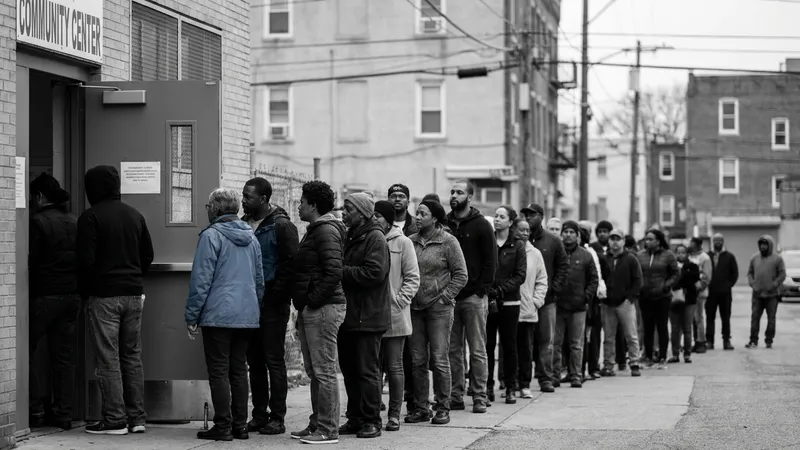
A clinical trial demonstrated that a team-based intervention in federally qualified health centers significantly reduced systolic blood pressure in low-income participants. This model included intensive blood pressure management, tracking, health coaching, and home monitoring.
The intervention resulted in a greater reduction in systolic blood pressure compared to enhanced usual care. This difference could lead to a 10% reduction in cardiovascular events.
At 18 months, 21. 8% of the intervention group achieved systolic blood pressure below 120 mm Hg, compared to 15.1% in the control group. The average cost of the team-based intervention was approximately $760 per patient.
This model is scalable to other primary care settings and can improve hypertension control in underserved populations. It also reduced provider burden and supported patient self-management.