Trump's China Visit Postponed Amid Mideast Tensions
President Trump's China visit, initially set for late March, has been postponed to May amid escalating Middle East tensions involving Iran.
Lauren Collins ·
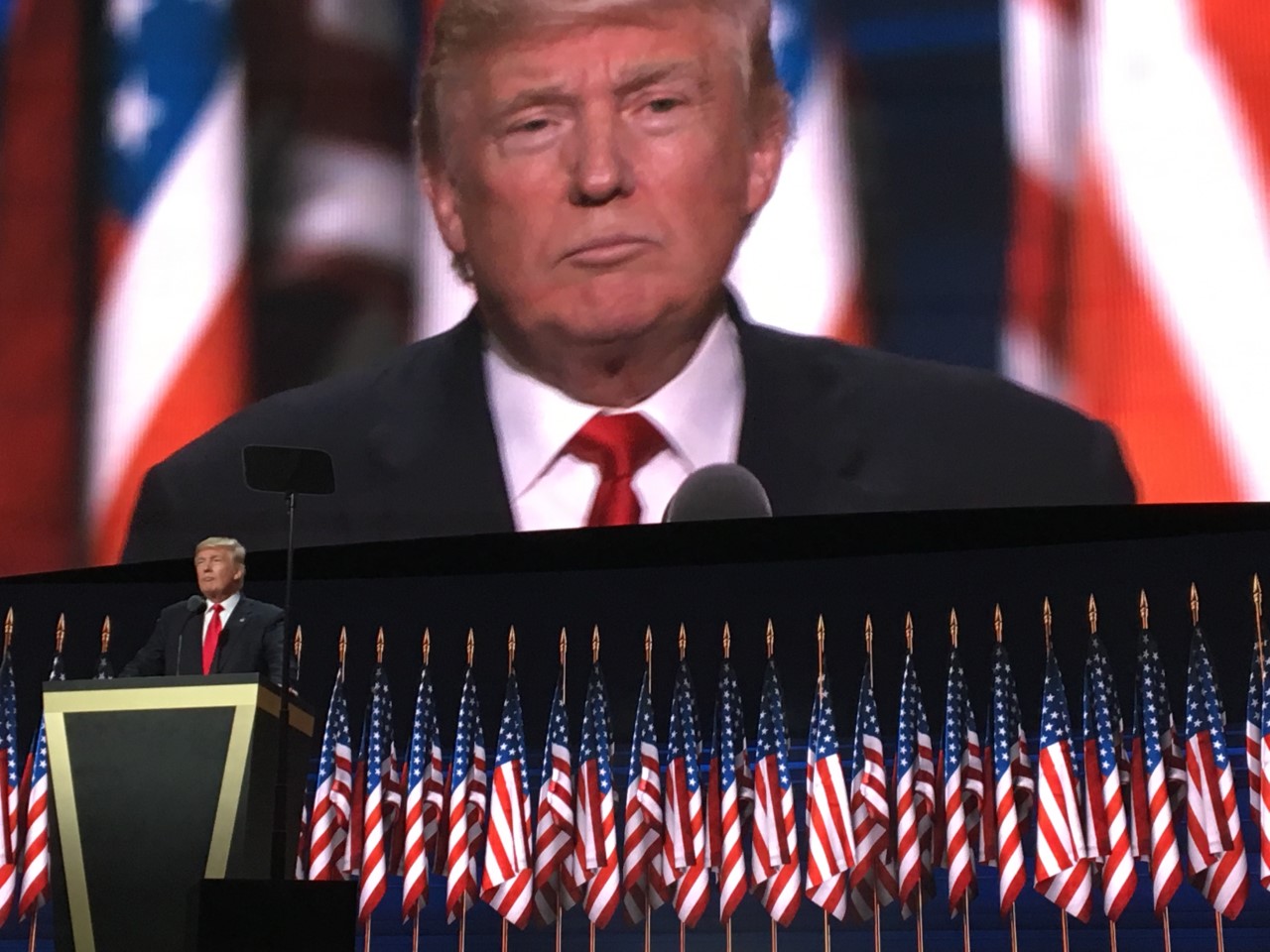
President Donald Trump's planned visit to Beijing has been postponed, with the White House confirming the delay on Wednesday. Originally slated for March 31 to April 2, the high-level meeting is now anticipated to occur in May. This adjustment to the diplomatic calendar comes as the United States navigates an escalating situation in the Middle East involving Iran.
The postponement affects a critical period for U.S.-China relations, particularly concerning ongoing trade negotiations. The two leaders last met in person in October, establishing a temporary truce in the trade dispute. The rescheduled visit is expected to address the subsequent phase of these trade discussions.
Geopolitical Context and Diplomatic Adjustments
Beijing is closely observing the developments, aiming to assess how the Middle East situation might impact President Trump's negotiating stance. Analysts suggest that a U.S. president facing electoral pressures, particularly with midterm elections scheduled for November, might be more inclined to pursue economic agreements.
Economic and Political Implications
The conflict with Iran, a nation that maintains friendly relations with China, is also expected to feature prominently on the agenda during the rescheduled visit. The delay offers Beijing additional time for preparation, addressing earlier concerns about the perceived lack of detailed U.S. planning for the highly choreographed event.
Market and Policy Considerations
The postponement underscores the interconnectedness of global political and economic events. The U.S.-China relationship, a cornerstone of global stability, is now navigating additional complexities stemming from regional conflicts, influencing trade, diplomacy, and domestic political landscapes in both nations.
Implications
Country Impact: The United States faces increased diplomatic complexity, balancing Middle East policy with critical trade negotiations. China gains additional preparation time, potentially leveraging U.S. domestic political pressures.
Industry Impact: Global energy markets could experience continued volatility due to Middle East tensions, impacting oil prices and potentially leading to inflationary pressures. Industries reliant on U.S.-China trade face prolonged uncertainty.
Market Impact: Financial markets may react to prolonged uncertainty in U.S.-China trade relations and heightened geopolitical risks. Investors will monitor oil price movements and their potential impact on global economic growth forecasts.