Israel Expands Ground Operations in Southern Lebanon
Israeli forces escalated ground operations in southern Lebanon since early March, targeting Hezbollah positions and infrastructure, raising regional tensions.
Lauren Collins ·
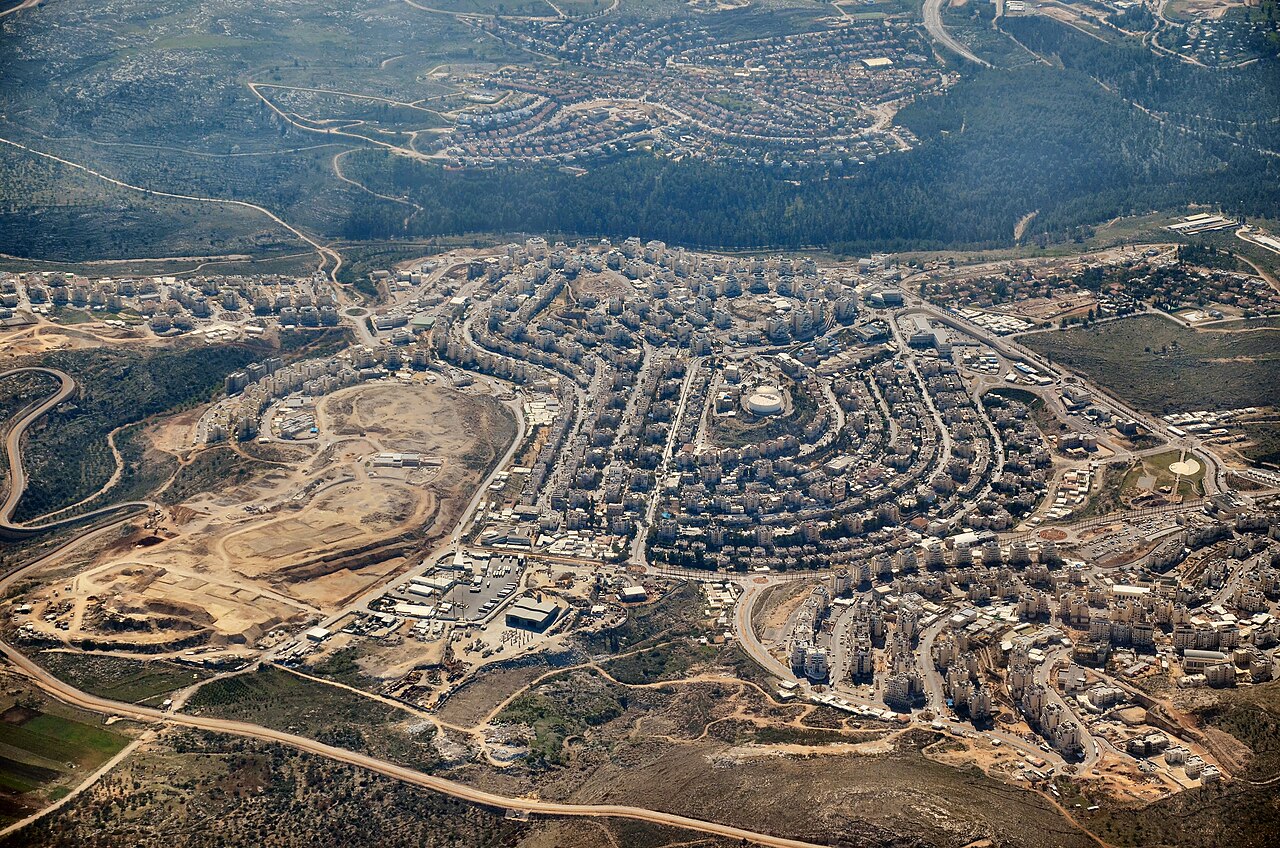
Israeli forces have intensified ground incursions into southern Lebanon, targeting Hezbollah positions in at least three key sectors since early March. This escalation follows an Israeli ground invasion initiated with the stated objective of dismantling Hezbollah's military capabilities and establishing a security buffer zone along the border. The current phase of operations focuses on disrupting Hezbollah's logistical networks and command structures.
Operations are notably concentrated around Khiam, a strategically significant hilltop town. Control of Khiam is considered crucial for Israel, as it would enable the severance of Hezbollah's supply routes to its southern Lebanese fighters and disrupt connections to the Bekaa Valley. The Israel Defense Forces (IDF) are employing air and artillery strikes against entrenched Hezbollah fortifications in the area.
Military Objectives and Tactics
The Israeli military's strategy involves targeting critical infrastructure, including bridges and roads in southern Lebanon, to impede Hezbollah's movement and resupply efforts. This approach aims to isolate Hezbollah units and degrade their operational capacity. Reports from Lebanese security sources and local residents confirm ongoing, intense clashes as Israeli troops attempt to penetrate border communities in the central and western sectors.
Hezbollah has responded to the Israeli advances with various tactics, including anti-tank guided missiles, drone attacks, and artillery fire. Despite sustained pressure, the group maintains a significant operational presence in the region, indicating continued resistance to Israeli ground forces.
Regional Context and Escalation
The current military actions were preceded by Hezbollah rocket launches on March 2, which Israel cited as a trigger for its intensified response. The broader conflict has seen Israel deploy substantial military assets, including four brigades and numerous tank columns, along the Lebanese border. This deployment suggests a potential for further expansion of ground operations.
International human rights organizations have raised concerns regarding the targeting of civilian infrastructure, including medical facilities and emergency personnel. These actions, according to rights groups, contribute to the deterioration of living conditions for residents in southern Lebanon, exacerbating humanitarian challenges in the conflict zone.
Implications for Regional Stability
The ongoing military engagement carries significant implications for regional stability, particularly given the broader geopolitical tensions in the Middle East. The establishment of a buffer zone, if achieved, would fundamentally alter the security landscape along the Israel-Lebanon border. However, the sustained resistance from Hezbollah indicates that such an objective faces considerable challenges.
The conflict's trajectory will depend on the effectiveness of Israeli ground operations in dismantling Hezbollah's infrastructure and the group's capacity to sustain its defensive and offensive actions. International observers are closely monitoring the situation for any signs of de-escalation or further regional spillover.
Implications
Country Impact: Lebanon faces severe humanitarian challenges due to infrastructure damage and displacement. Israel's security posture along its northern border is undergoing significant redefinition, with potential long-term military commitments.
Industry Impact: The conflict disrupts regional trade routes and supply chains, particularly impacting cross-border commerce and reconstruction efforts. Energy markets could see volatility if the conflict expands beyond current parameters.
Market Impact: Regional equity markets may experience increased volatility and investor uncertainty. The Israeli shekel and Lebanese pound could face downward pressure, while safe-haven assets might see increased demand.