Iranian Diaspora Divided on US-Iran Conflict
The Iranian diaspora in Los Angeles is divided over the US-Iran conflict, with some supporting strikes and others fearing humanitarian costs.
Lauren Collins ·
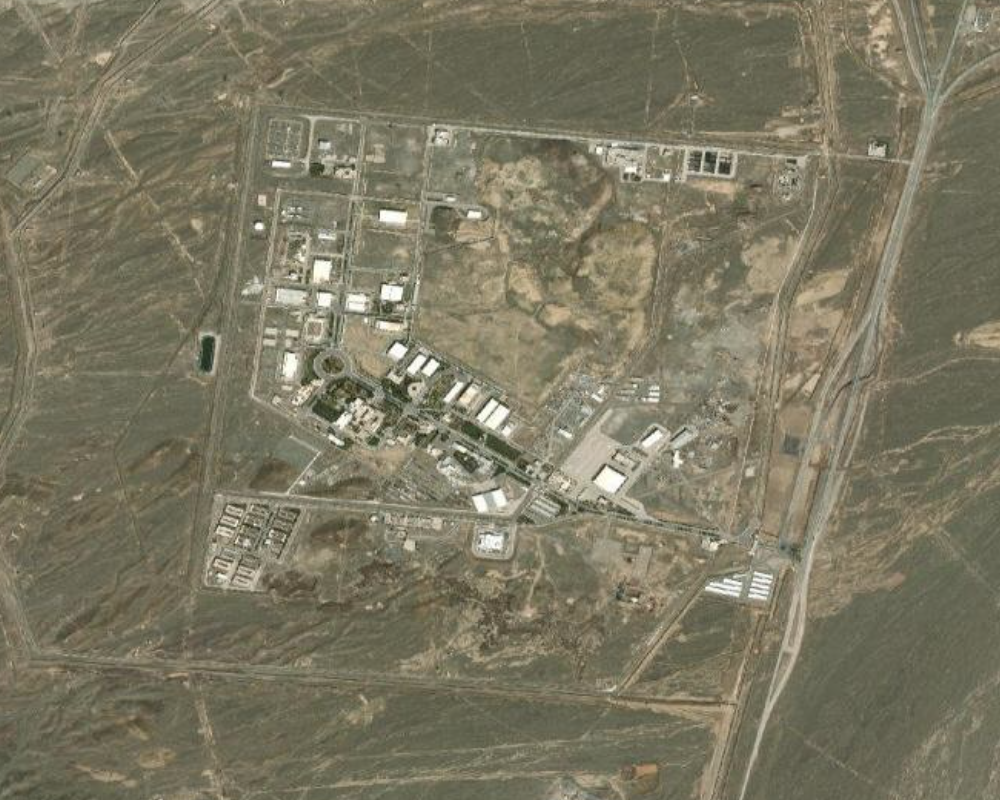
The Iranian diaspora in Los Angeles, California, displayed significant internal divisions regarding the ongoing military conflict between the United States, Israel, and Iran. This divergence of opinion was evident during simultaneous demonstrations held on February 28, 2026, highlighting the complex perspectives within the community.
One segment of the diaspora voiced support for U.S. military actions and advocated for a change in the Iranian government. Conversely, another group protested the conflict, expressing deep concerns over potential regional instability and the humanitarian cost of military engagement.
Conflict Origins and Diaspora Concerns
The current hostilities commenced on February 28, 2026, with a joint U.S.-Israeli military operation targeting Iran. This included a strike on the compound associated with Iran's then-Supreme Leader, Ayatollah Ali Khamenei, escalating tensions in the region.
Many members of the Iranian diaspora, whose families emigrated following significant historical events such as the 1979 Iranian Revolution or the Iran-Iraq War, desire a change in Iran's current leadership. However, they often harbor skepticism regarding the true intentions and motivations of the United States and Israel in the conflict.
Humanitarian Impact and Communication Challenges
Concerns about civilian casualties are prominent within the diaspora. Iran's Ministry of Health has reported an estimated 1,444 civilian fatalities, including approximately 168 children, since the conflict began. These figures underscore the severe human cost of the ongoing military actions.
An internet blackout across Iran has further complicated the situation, hindering the diaspora's ability to communicate with family and friends within the country. This disruption is attributed to both damage to telecommunications infrastructure from bombing campaigns and deliberate government restrictions on information flow.
Demographic and Political Context
Los Angeles hosts the world's largest Iranian diaspora community, with an estimated 375,000 individuals of Iranian origin residing in California, primarily in Los Angeles County. This demographic concentration amplifies the visibility and impact of their varied political stances.
The differing reactions within this community illustrate the intricate balance between aspirations for political reform in Iran and profound anxieties concerning the safety and welfare of the Iranian populace. The conflict has thus created a complex emotional and political landscape for Iranians living abroad, reflecting a deep engagement with events in their homeland while navigating their identities in a new country.
Implications
Country Impact: The conflict exacerbates internal political and social divisions within Iran, potentially fueling further unrest. The humanitarian crisis could lead to increased refugee flows and regional instability, impacting neighboring countries.
Industry Impact: Telecommunications infrastructure in Iran faces significant disruption due to military actions and government controls, affecting connectivity and economic activity. Energy markets could experience volatility due to geopolitical tensions in the Middle East.
Market Impact: Global financial markets may react to increased geopolitical risk, particularly in oil prices and defense sector stocks. Investor confidence in the Middle East region could decline, impacting foreign direct investment.