Longevity trend reshapes luxury home design in 2026
A longevity trend is pushing luxury homebuyers to prioritize aging-in-place layouts and wellness features, according to Sotheby’s International Realty’s…
Raj Patel ·
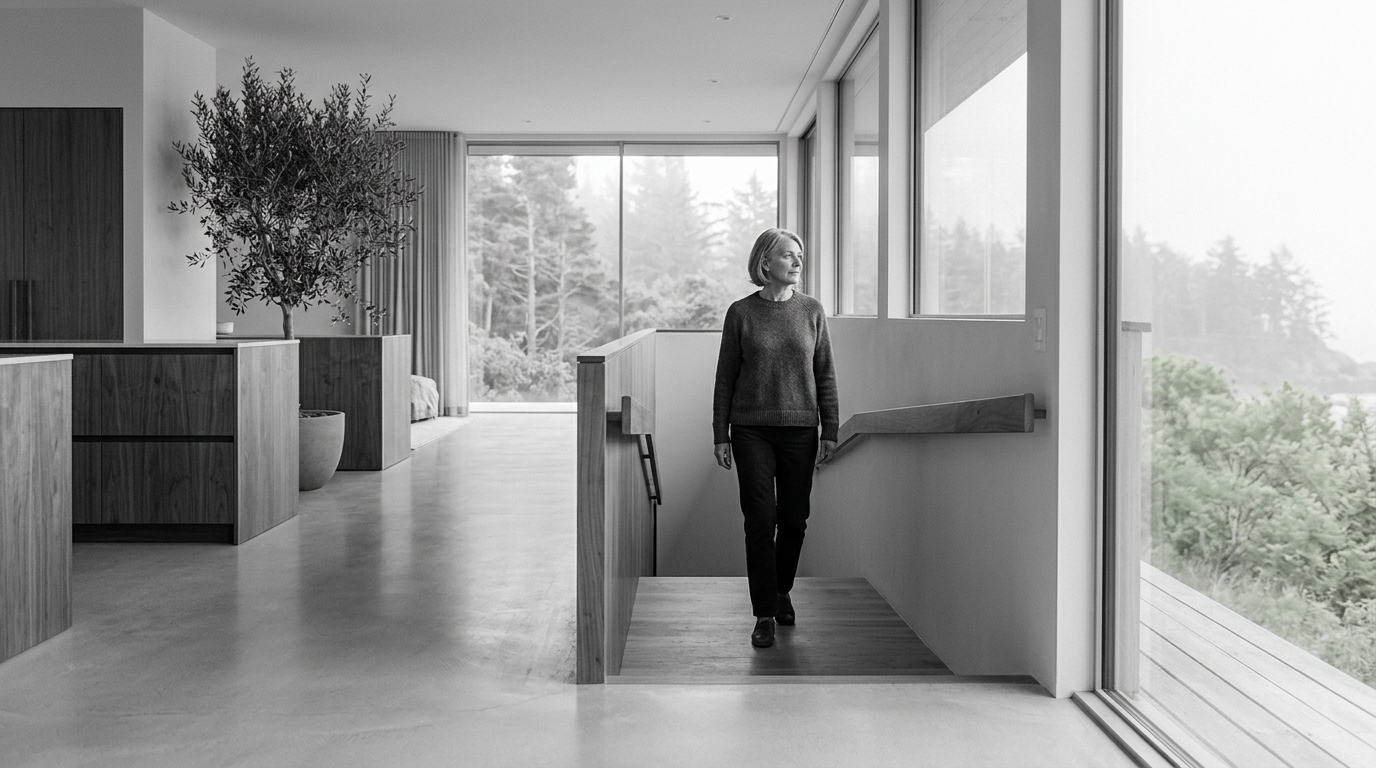
A longevity trend is changing what wealthy buyers demand from high-end homes, with health-driven design now shaping purchases in the $10 million-plus market.
Sotheby’s International Realty, in its latest Mid-Year Luxury Outlook report, said affluent clients are increasingly planning to remain in their properties for decades. The firm describes a shift away from treating estates primarily as status statements and toward viewing them as long-term platforms for healthier, more independent living.
Brad Nelson, chief marketing officer at Sotheby’s International Realty, said wellness has moved from an optional perk to the core idea guiding many luxury purchases. In his view, more buyers are selecting homes based on how they expect to live later in life, not only on current needs.
Luxury real estate pivots to aging in place
One data point in the report underscores the change: nearly 38% of real estate professionals active in the $10 million-plus segment said “aging in place” has become a crucial consideration for clients. Rather than downsizing or moving into retirement communities, these buyers are investing in residences designed to support mobility and self-sufficiency over time.
That approach is influencing floor plans and construction choices. Buyers are seeking elevators, single-level living options, and step-free circulation that reduces fall risk and improves accessibility.
Bathrooms and kitchens are also being rethought with longevity in mind. Curbless showers, wider doorways, and layouts that can accommodate future assistive needs are increasingly treated as luxury must-haves rather than medical-looking retrofits.
Wellness features move from add-ons to essentials
The report points to an expanding menu of health-related specifications that buyers are requesting during searches and renovations. Access to outdoor space and nature remains important, while systems like advanced air and water filtration are rising on priority lists alongside integrated wellness technology.
At the same time, “wellness” is being interpreted more broadly than the traditional home gym. High-end listings and new builds are incorporating dedicated recovery and training zones, reflecting the popularity of preventative health and performance optimization.
Infrared saunas, cold-plunge setups, Pilates rooms, and strength-training studios are among the most cited examples. Designers and brokers say premium fitness equipment—often chosen as much for aesthetics as function—is increasingly placed where it can be seen, turning exercise space into a statement feature.
Longevity economy growth supports the shift
The broader economics behind the trend are substantial. UBS Global Wealth Management estimates the global longevity market will rise from $5.3 trillion in 2023 to $8 trillion by 2030, signaling growing investment in products and services tied to longer, healthier lifespans.
Real estate is a key part of that spending. The report notes that wellness-focused real estate has more than doubled in size over the past five years and is expected to exceed $1.1 trillion by 2029, reinforcing why developers and brokers are emphasizing health-oriented amenities.
Demographics are also reshaping demand at the top end of the market. Sotheby’s said 66% of agents have reported an increase in millennial participation among luxury buyers, a cohort often described as prioritizing lifestyle outcomes over traditional prestige markers.
Taken together, the data suggests the “trophy home” is being redefined. Size and extravagance still matter, but the differentiator is increasingly a home’s ability to support decades of independent living with wellness integrated into daily routines.
For sellers and developers, the implication is clear: features that once read as niche—like step-free design, filtration systems, and dedicated recovery spaces—may become baseline expectations in prime markets. For buyers, the next question is whether today’s wellness-forward layouts can remain adaptable as technology and longevity science evolve.