Mideast Conflict Escalates, EU Eyes Energy Tax
Middle East conflict escalated over the weekend as Europe weighed an EU-wide energy windfall tax amid oil price spikes and new attacks.
Lauren Collins ·
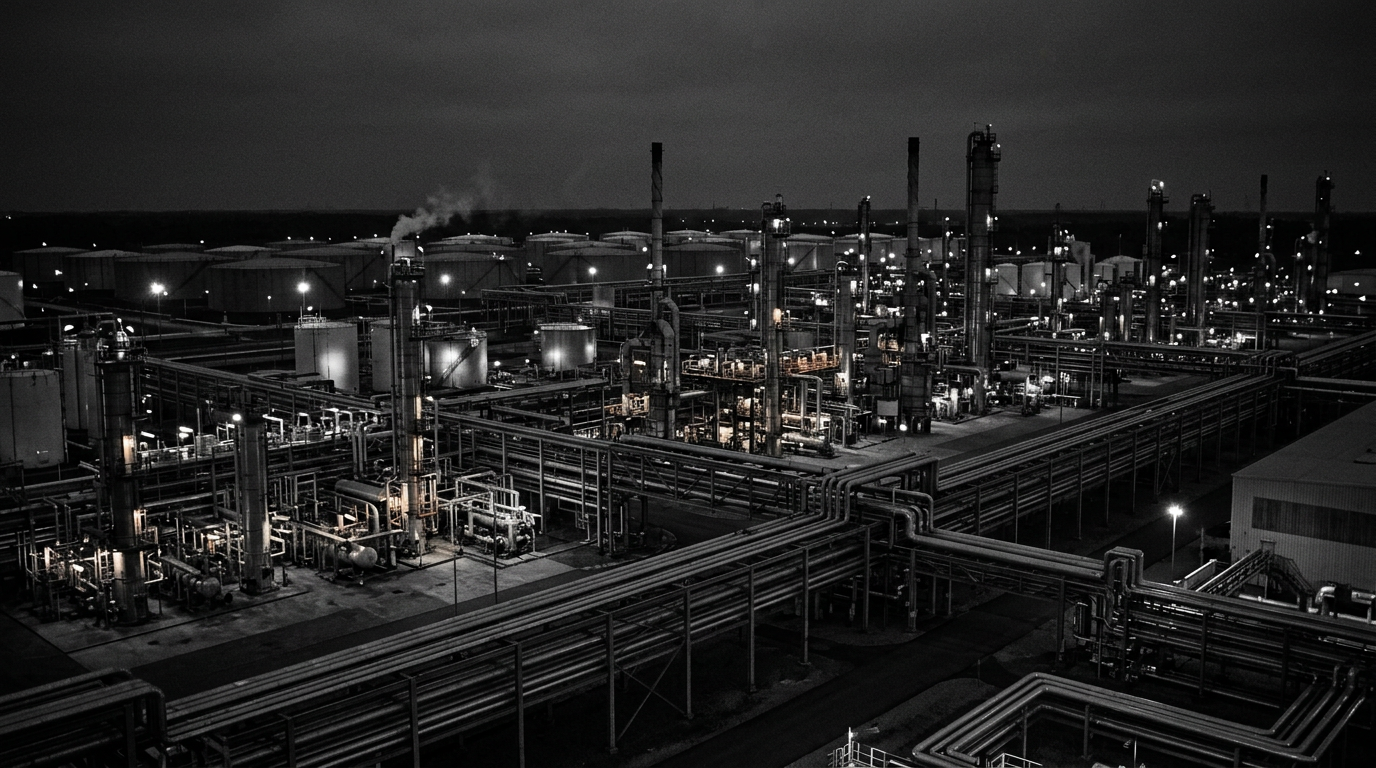
Israel said it carried out airstrikes in Tehran on Saturday, while Iran reported a projectile strike near its Bushehr nuclear power plant that damaged an auxiliary building and killed a security staff member. Officials also reported new incidents involving drones and missiles across the Gulf, as oil prices rose amid the fighting.
On Saturday, Israel’s military said its air force hit ballistic and anti-aircraft missile storage locations, weapons production sites, and military research and development centers in the Iranian capital. Separately, Iran’s Atomic Energy Organization said a projectile struck near the Bushehr nuclear power plant, damaging an auxiliary building. The organization said the main sections of the plant were not hit, and it reported one security staff member was killed.
Iran’s Atomic Energy Organization said the incident was the fourth attack on Bushehr since the conflict began. The United States said it was still searching for a missing F-15 jet crew member after Iran shot down the aircraft on Friday. Officials said an A-10 Warthog involved in the rescue effort was also damaged.
In the Gulf, Bahrain’s Defense Ministry said at least eight drone attacks crossed its airspace within 24 hours. The ministry said that since the conflict started, there have been 188 missiles and 453 drones. Separately, an apparent Iranian drone damaged the Dubai headquarters of Oracle on Saturday, after Iran’s Revolutionary Guard issued a threat against the American technology company.
Against that backdrop, European finance ministers from Spain, Germany, Italy, Portugal, and Austria called for an EU-wide windfall tax on energy companies. In a letter to the European Commission that was made public on Saturday, the ministers said the conflict was placing a significant burden on Europe’s economy and citizens. They argued that the costs linked to the crisis should be shared more fairly across society.
Oil prices have jumped as the conflict has intensified, affecting global energy markets. The combination of higher energy costs and heightened security risks has become a central issue for European policymakers, who are weighing fiscal measures while the situation remains fluid. Key uncertainties include how long the conflict will last and whether further attacks will expand to additional infrastructure or commercial targets.