Hormuz Deadline Looms: US-Iran Tensions Escalate
U.S.-Iran threats escalated on April 6, 2026 as Trump set a Hormuz deadline, Iran rejected a 45-day ceasefire, and strikes intensified.
Lauren Collins ·
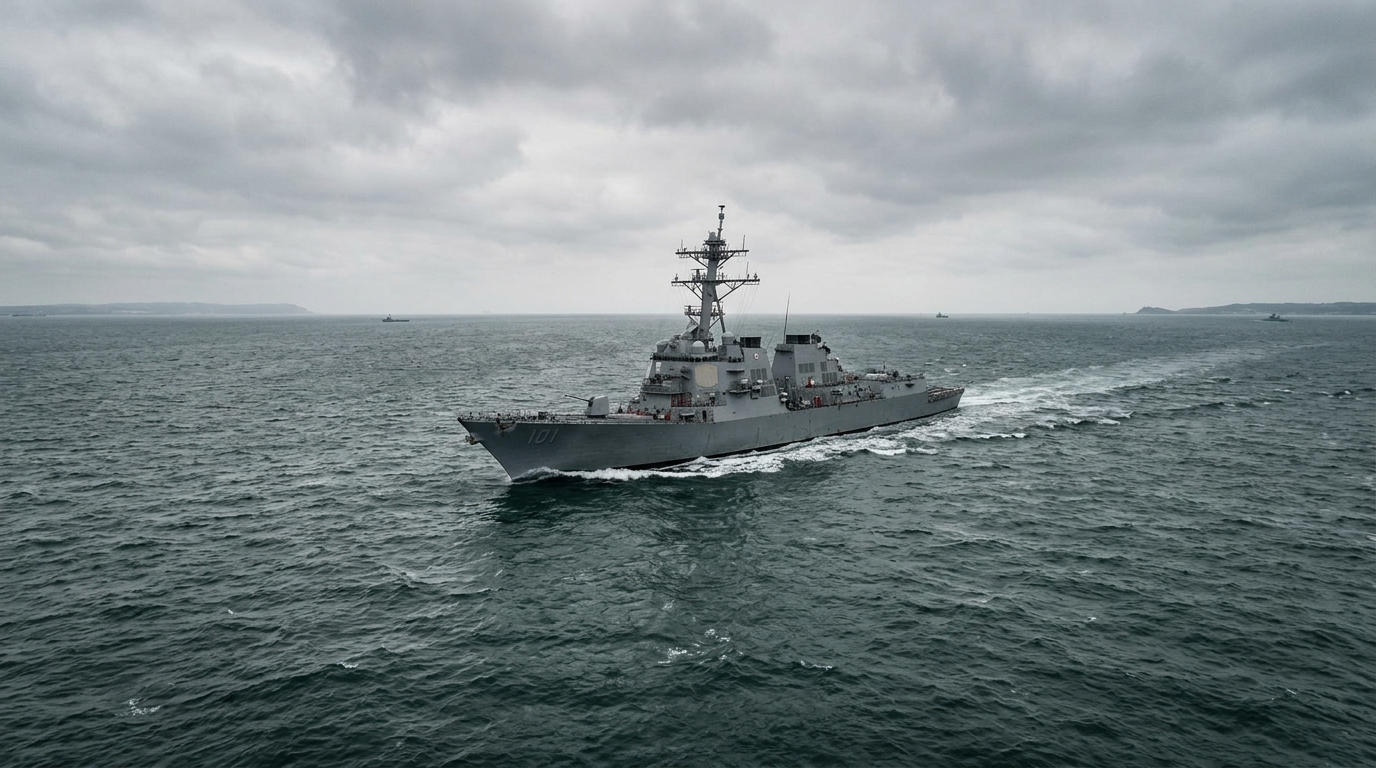
The United States and Iran traded threats on Monday, April 6, 2026, as the confrontation between the two countries intensified alongside ongoing military strikes. U.S. President Donald Trump set a deadline for Iran to reopen the Strait of Hormuz, a major maritime corridor for global shipping. Iranian officials rejected a proposed 45-day ceasefire and said they had prepared a response to U.S. demands.
The latest escalation came after a series of reported battlefield developments involving Israel, a U.S. ally. Israel said it killed two senior officials from Iran’s Islamic Revolutionary Guards Corps (IRGC). Those named were Asghar Bagheri, described as Commander of the Quds Force’s Special Operations Unit, and Maj. Gen. Majid Khademi, identified as head of Intelligence for the IRGC.
Israel also reported striking Iran’s South Pars petrochemical complex in Asaluyeh, targeting the Jam and Damavand facilities. Defense Minister Israel Katz said the two sites account for approximately 85% of Iran’s petrochemical exports and said the facilities had been rendered inoperative. The strike was estimated to cost Iran tens of billions of dollars in lost profits, according to the account provided in the report.
Officials and state media accounts also described civilian casualties linked to the widening conflict. Iranian state media said six children were among those killed in overnight Israeli-U.S. strikes on Iran. Separately, an Iranian strike on a residential building in Haifa, Israel, killed four people, according to the report.
In a related development, Yemen’s Iran-backed Houthi rebels said they would uphold a ceasefire with the United States if Washington stopped what they described as aggression against them. The statement added another layer to a regional picture in which multiple fronts are being discussed alongside direct U.S.-Iran tensions.
The situation left key uncertainties unresolved, including how Iran would act on its stated response to U.S. demands and whether any de-escalation effort could gain traction after the rejection of the proposed 45-day ceasefire. The deadline tied to the Strait of Hormuz also remained a focal point, given its role in international shipping and the potential for broader economic and political repercussions if access is disrupted.