Trump's Iran Ultimatum: Hormuz Strait in Focus
Trump set an 8 p.m. ET Tuesday deadline for Iran to reopen the Strait of Hormuz, warning of strikes as officials signaled escalation.
Lauren Collins ·
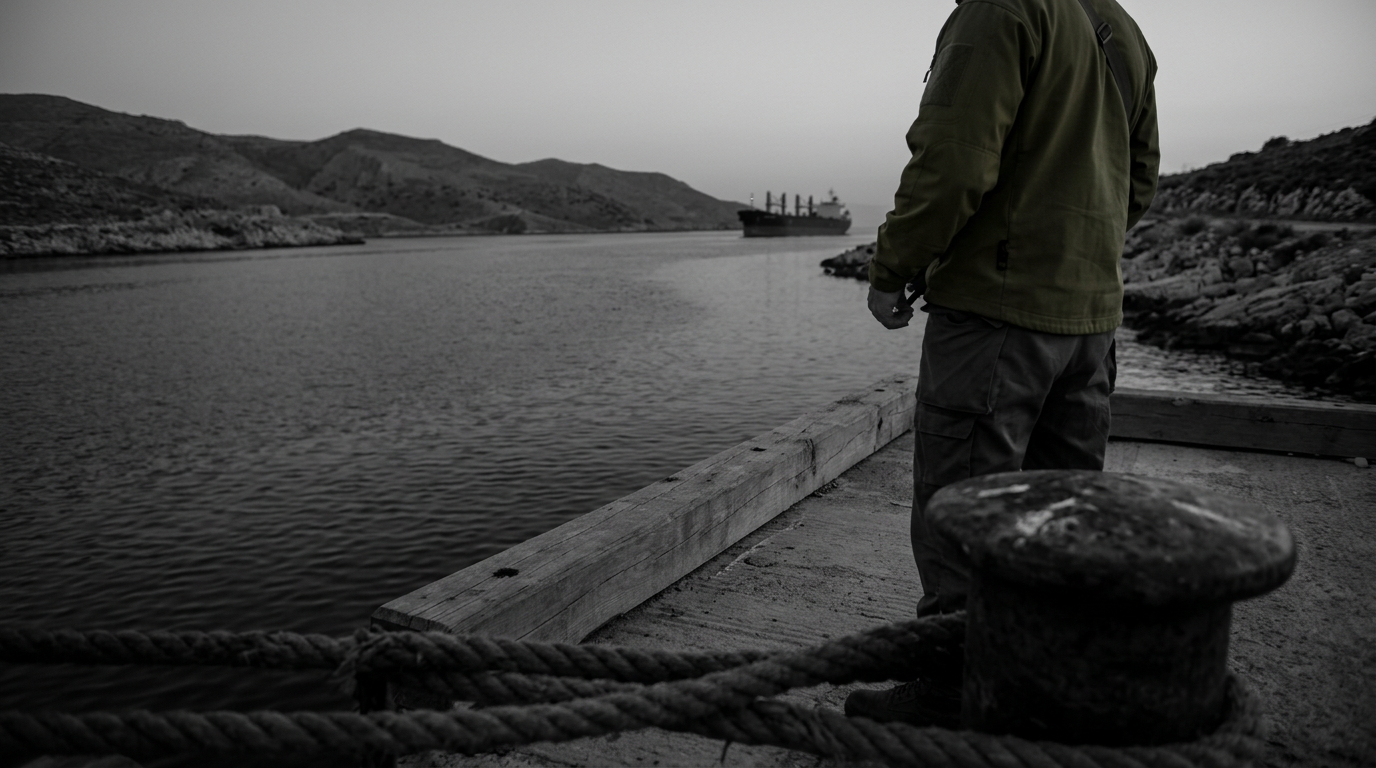
U.S. President Donald Trump said on Monday that Iran must reopen the Strait of Hormuz by 8 p.m. ET on Tuesday, warning that the United States would carry out military strikes if the deadline is not met. He said potential targets would include Iranian energy facilities and bridges. Trump delivered the ultimatum during a press conference as diplomatic efforts to reduce tensions in the Middle East were described as faltering.
Secretary of Defense Pete Hegseth said military activity would increase, describing Monday as the day with the largest volume of strikes since the operation began. He also indicated that further escalation was expected on Tuesday. The statements linked the administration’s deadline to a near-term expansion of military operations, while leaving key details of the operation’s scope and objectives unspecified.
During the same appearance, Trump said—without presenting evidence—that Iranian civilians would welcome U.S. strikes on infrastructure. He claimed they were “willing to suffer” the loss of electricity and basic services in pursuit of freedom from the Islamic Republic. The remarks came as the administration framed its posture toward Iran in both military and political terms, while not providing supporting documentation for the assertion about public sentiment inside Iran.
The ultimatum also coincided with reports that a second U.S. airman is missing after being shot down by Iran. According to the account provided, the incident led Trump to threaten journalists who reported on the matter as he sought to identify their sources. The reports and the president’s response added a domestic media dimension to a rapidly developing security situation.
At home, Trump’s administration is also facing legal headwinds, with lower court judges increasingly issuing rulings against his policies. Those decisions have resulted in temporary blocks on key initiatives, creating additional uncertainty around the administration’s ability to implement parts of its agenda even as it pursues a more confrontational stance abroad.
-Israel attacks on Iran. Trump compared Starmer to Neville Chamberlain, underscoring strains with a close ally at a moment when coordination among partners is often central to crisis management. S. bank, urged the White House to deepen economic ties with allies, a message described as a veiled critique of the administration’s foreign policy approach.