Nigeria Among Countries Most Affected by Global Terrorism
Nigeria's terror attacks rose to 171 in 2025, deaths to 750, mostly in Borno, pushing the country to 4th on the GTI.
Cuneyd Erdogan ·
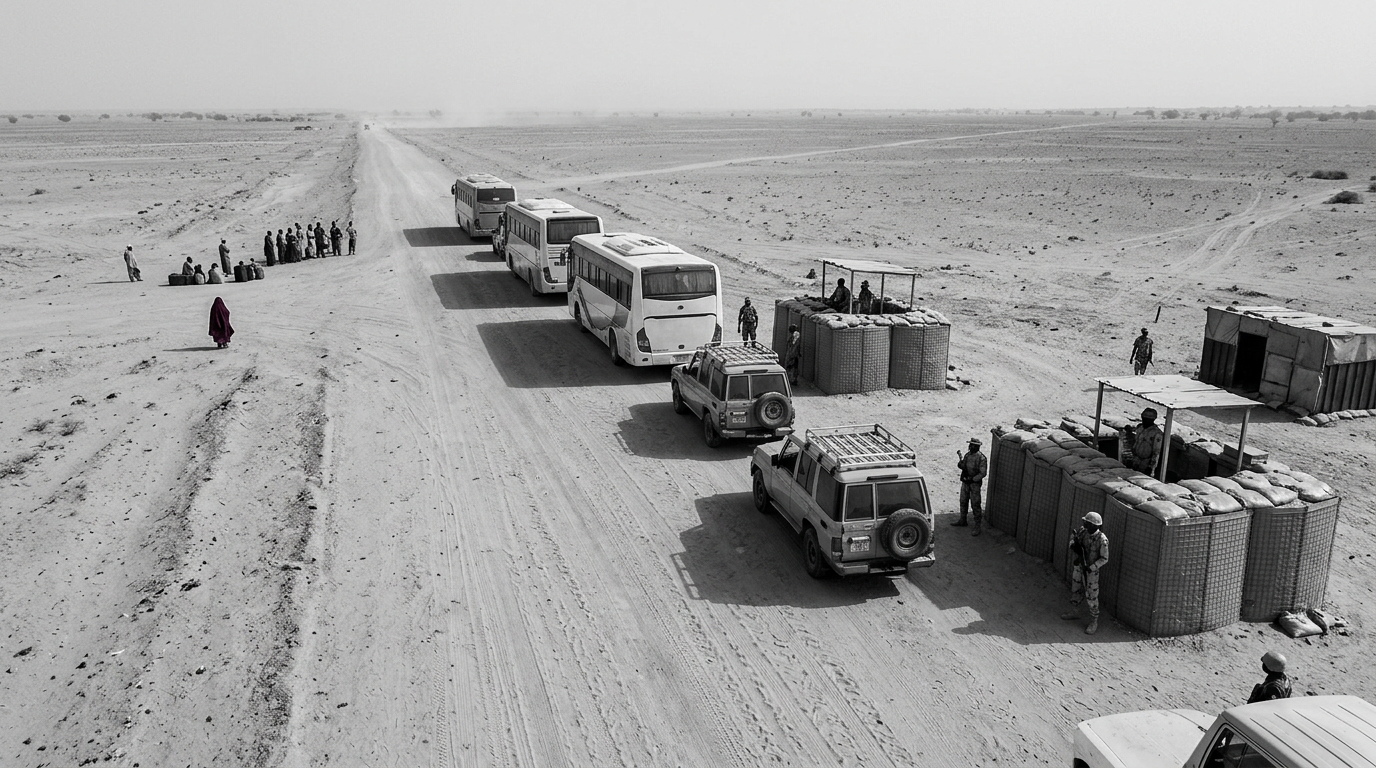
Nigeria has risen to 4th place among countries most affected by terrorism, according to 2025 data from the 2026 Global Terrorism Index (GTI). The index recorded a significant increase in both the number of attacks and fatalities in the country compared to the previous year.
The surge was concentrated in the country's northeast, elevating the security risk to a nationwide governance and stability issue.
What happened: According to the report, terror attacks in Nigeria increased by 43% from 120 in 2024 to 171 in 2025. Terror-related deaths rose by 46% from 513 to 750 during the same period.
The GTI notes that the death toll in 2025 is the highest recorded since 2020.
Where it concentrated: 67% of attacks and 72% of deaths occurred in Borno State. This indicates that the risk is clustered in a specific geographic area, but it can have national implications for the country's security capacity and the continuity of public services.
The concentration in the northeast also creates vulnerabilities in areas such as border security, internal migration, and humanitarian aid routes.
When and what is the trend: The 2025 data points to an accelerating deterioration compared to 2024. Compared to other Sub-Saharan African countries, the report highlights Nigeria as the only country experiencing an increase in both attacks and fatalities.
In contrast, a decrease in terror-related deaths in neighboring countries like Burkina Faso and Niger suggests that regional risk varies by country and that security pressure is escalating again in Nigeria.
Why it matters: Globally, 70% of terror-related deaths occurred in Burkina Faso, Pakistan, Nigeria, Niger, and the Democratic Republic of Congo. This concentration indicates that the risk of terrorism has become a persistent security and governance problem in specific countries.
Nigeria's rise to 4th place could impact institutional risk assessments in areas such as public safety, investment climate, infrastructure projects, insurance costs, and supply chain planning.
Background and context: Northeastern Nigeria has long been an area of armed group activity, with Borno at the center of this dynamic. Even if the 2025 increase in the GTI remains a 'one-year jump,' reaching the highest death toll since 2020 signals renewed pressure on security capacity, local government effectiveness, and civilian protection mechanisms.
These data reveal that the risk of terrorism in Nigeria increased in both frequency and lethality in 2025, with the risk particularly concentrated in Borno. For organizations, the situation presents measurable indicators pointing to a need for stricter risk management in field security, personnel mobility, operational continuity, and working conditions with local partners.
Potential Impacts
Country Impact: Increased attacks and fatalities could affect Nigeria's internal security agenda and budget priorities. The concentration in the northeast could heighten political and administrative risks through local government capacity, continuity of public services, and internal migration pressures.
Sector Impact: Security costs and the risk of operational disruptions may rise in sectors requiring a physical presence, such as energy, logistics, telecommunications, and construction. Contract terms and pricing behavior could change in areas like insurance, private security, and supply chain planning.
Market Impact: The increase in security risk could affect financial conditions through the country risk premium and capital flows. An increased emphasis on security in public spending could shape market expectations through borrowing needs and budget composition.