Kenyans fighting illegally for Russia in Ukraine to be granted amnesty
Kenya will grant amnesty to its citizens who fought illegally for Russia in Ukraine, following a recent agreement with Moscow.
Lauren Collins ·
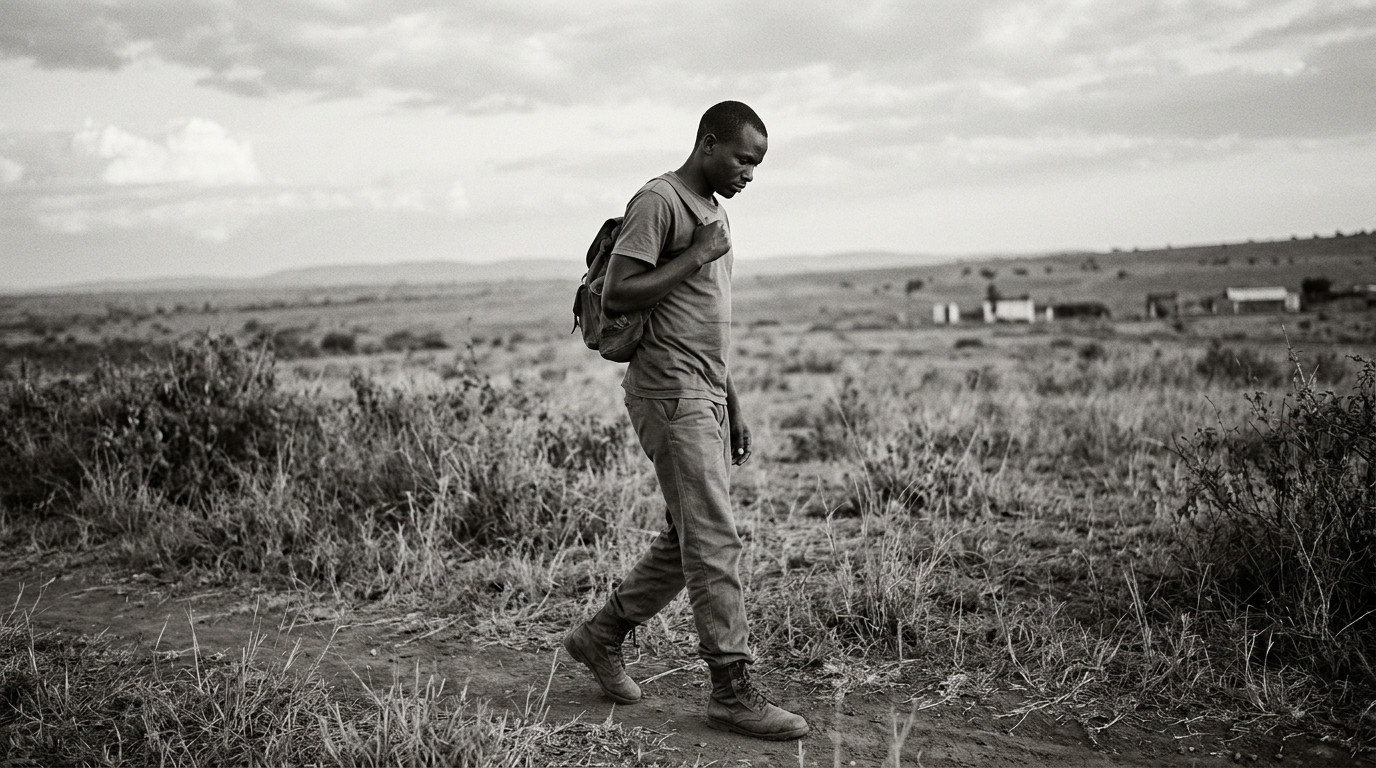
Kenya has announced an amnesty program for its citizens who participated in military activities for Russia in Ukraine. This initiative follows an agreement established during Kenyan Foreign Minister Musalia Mudavadi's recent diplomatic visit to Moscow.
The decision aims to resolve the legal predicament of an estimated 252 Kenyans believed to have been recruited into the conflict. Kenyan law prohibits citizens from engaging in foreign military service, with violations potentially leading to a decade in prison.
Diplomatic Engagement and Repatriation Efforts
The Kenyan Foreign Ministry has provided updated figures regarding its citizens involved in the conflict. Forty-four individuals have already been repatriated to Kenya, while eleven are reported as either missing or deceased.
Additionally, thirty-eight Kenyans are currently hospitalized in Russia, with their access to external communication reportedly restricted. Approximately 160 Kenyan nationals are still actively engaged in the conflict zones.
Agreement Details and Future Prevention
The accord reached with Russia includes provisions for the voluntary return of those Kenyans who no longer wish to participate in hostilities. Furthermore, Kenya has been placed on a "stop list" by Russia, a measure intended to prevent future recruitment of Kenyan citizens into the conflict.
This diplomatic action by Nairobi is designed to counter human trafficking and illegal recruitment practices. Such recruitment has been observed across various African nations, with Ukrainian intelligence suggesting that over 1,700 individuals from 36 African countries have been enlisted by Russia.
Underlying Motivations and Public Pressure
The Kenyan government's intervention comes amid significant public pressure from the families of those recruited. Relatives have reported that many individuals were enticed by deceptive promises of civilian employment opportunities abroad, only to find themselves in a combat zone.
This situation highlights broader concerns about the vulnerability of individuals to recruitment into foreign conflicts under false pretenses. The amnesty and repatriation efforts represent a direct response to these humanitarian and legal challenges.
International Context of Recruitment
The recruitment of foreign nationals into the conflict in Ukraine is a complex issue with international dimensions. Various reports indicate that both sides of the conflict have sought to bolster their ranks with foreign fighters, often through informal or illicit channels.
Kenya's proactive stance in addressing its citizens' involvement underscores the growing global awareness and concern over the exploitation of vulnerable populations for military purposes. The agreement with Russia sets a precedent for how other nations might manage similar situations.
The long-term implications of such recruitment practices for international law and human rights remain a subject of ongoing discussion among global policymakers and humanitarian organizations.
Implications
Country Impact: Kenya's diplomatic efforts could enhance its international standing as a protector of its citizens abroad and a proponent of international law. The amnesty may also alleviate domestic pressure from families of those involved.
Industry Impact: The incident highlights the vulnerability of individuals to illicit recruitment schemes, potentially prompting increased scrutiny on international labor agencies and travel facilitators to prevent human trafficking.
Market Impact: While direct market impact is limited, the broader issue of foreign fighter recruitment can introduce geopolitical instability, indirectly affecting investor confidence in regions perceived as sources or destinations for such activities.