Trump says ICE agents will assist airport security as DHS shutdown continues
ICE agents were deployed to U.S. airports in February 2019 to address security delays caused by a government shutdown impacting TSA operations.
Lauren Collins ·
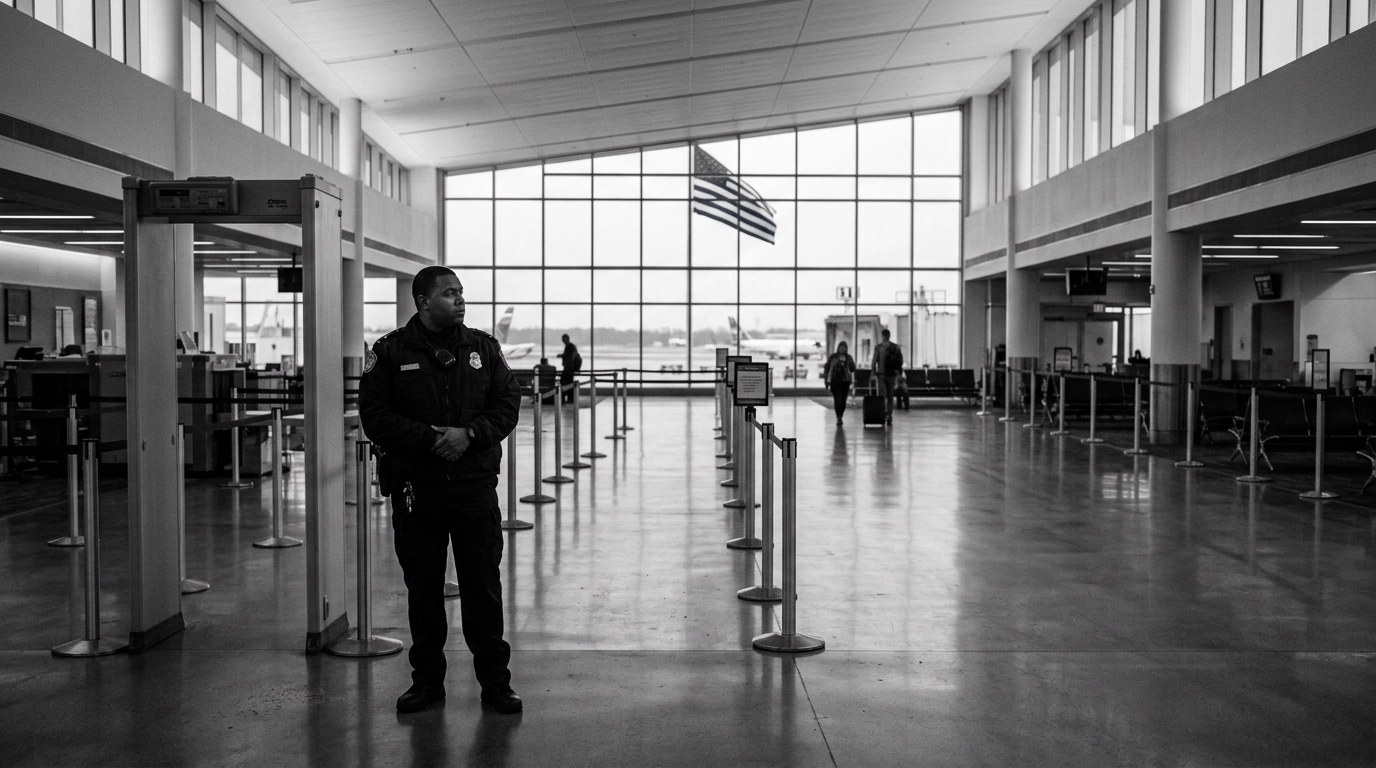
U.S. Immigration and Customs Enforcement (ICE) agents began deploying to American airports on Monday, February 18, 2019, to address security checkpoint delays.
The Trump administration initiated the measure to alleviate backlogs caused by a partial government shutdown that impacted the Department of Homeland Security (DHS), President Donald Trump announced.
Operational Details Emerge
ICE personnel would manage entry and exit points within airport security areas, according to Tom Homan, then-Border Czar.
This deployment aimed to free up trained Transportation Security Administration (TSA) officers for core screening duties, enhancing efficiency.
Officials did not immediately disclose the exact number of ICE agents involved, stating operational specifics were still being finalized.
Unions and Lawmakers Voice Concerns
The American Federation of Government Employees (AFGE), representing TSA workers, strongly opposed the plan.
The union argued that ensuring TSA staff received their pay should be the priority, rather than supplementing their ranks with "untrained, armed agents."
House Minority Leader Hakeem Jeffries also expressed reservations, questioning the efficacy of ICE agents in airport security roles due to their lack of specialized training.
Shutdown's Impact on Airport Operations
The partial government shutdown, which started in December 2018, created significant operational challenges for the TSA.
TSA officers, responsible for airport security, had been working without pay since mid-February due to a congressional impasse over DHS funding.
Reports indicated over 400 TSA agents resigned since the shutdown began, leading to staffing shortages and longer wait times for travelers nationwide.
The deployment of ICE agents was presented as a temporary solution to these immediate operational pressures.
Broader Context of Federal Funding Disputes
The 2018-2019 government shutdown, the longest in U.S. history, stemmed from a dispute between President Trump and Congress over funding for a border wall.
This impasse affected numerous federal departments, resulting in furloughs and employees working without pay, impacting essential services.
The reliance on personnel from other agencies, such as ICE, to backfill critical roles highlighted systemic strains caused by prolonged federal funding disagreements.
Such measures often draw scrutiny regarding their effectiveness, cost implications, and the potential for mission creep among federal agencies.
Implications
- Country Impact: The incident exposed operational vulnerabilities in critical national infrastructure during federal funding impasses. It also underscored political polarization surrounding immigration enforcement and federal worker compensation.
- Industry Impact: The aviation industry faced disruptions due to security delays, potentially affecting passenger confidence and airline schedules. The use of non-specialized personnel for security support raised questions about long-term operational resilience.
- Market Impact: While direct market impact was limited, prolonged government shutdowns can introduce uncertainty, potentially affecting consumer spending and travel-related sectors. The situation reflected broader fiscal policy risks.