Lebanon Seeks Israel Talks on Hezbollah Conflict
Lebanon has requested talks with Israel, via international mediators, to de-escalate the Hezbollah conflict along their shared border.
Cuneyd Erdogan ·
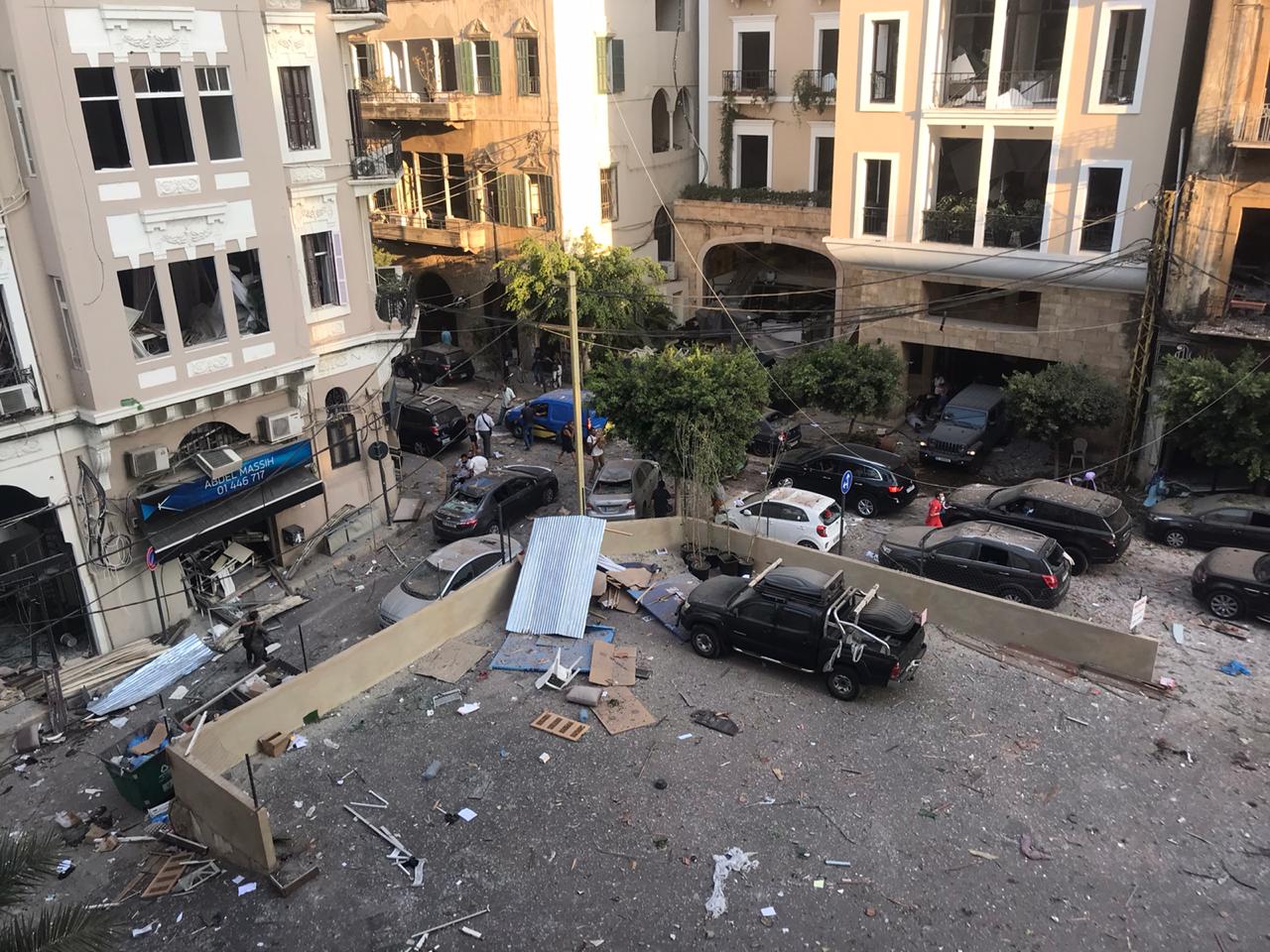
Lebanon has formally requested discussions with Israel regarding a framework to de-escalate the ongoing conflict involving Hezbollah along their shared border. This diplomatic initiative, conveyed through international mediators, aims to establish a lasting cessation of hostilities and address the underlying tensions that have intensified since October 2023.
Diplomatic Overtures
The Lebanese government's proposal signals a desire to move beyond the current cycle of cross-border exchanges. The request for talks was reportedly communicated via the United States, which has been actively involved in mediation efforts between the two nations. These efforts seek to prevent a wider regional conflict.
Escalating Border Tensions
Since the onset of the Gaza conflict in October 2023, the border region between Lebanon and Israel has experienced daily exchanges of fire. Hezbollah, a powerful Lebanese political party and militant group, has engaged Israeli forces in support of Hamas, while Israel has conducted retaliatory strikes. This sustained low-intensity conflict has displaced tens of thousands of civilians on both sides of the border.
Historical Context of Conflict
The relationship between Lebanon and Israel has been marked by decades of conflict, including major wars in 1982 and 2006. A formal peace treaty has never been signed, and the two countries remain technically at war. The presence and influence of Hezbollah, particularly its armed wing, are central to the security dynamics of the region and a primary concern for Israel.
International Mediation Efforts
Various international actors, including the United States and France, have been engaged in shuttle diplomacy to avert a full-scale war. These diplomatic efforts have focused on securing a ceasefire in Gaza, which is seen as a prerequisite for any significant de-escalation on the Lebanese-Israeli front. Proposals have included the implementation of UN Security Council Resolution 1701, which calls for the disarmament of non-state actors south of the Litani River.
Potential Framework for Resolution
While specific details of Lebanon's proposed plan remain undisclosed, it is understood to involve discussions on border demarcation, security arrangements, and the future role of armed groups in southern Lebanon. Any comprehensive agreement would likely require significant security guarantees for both nations and a robust international monitoring mechanism. The complexity of the issues, coupled with deep-seated mistrust, presents substantial challenges to achieving a breakthrough.
Regional Implications
The potential for a broader conflict between Israel and Hezbollah carries significant regional implications, threatening to destabilize an already volatile Middle East. Such a conflict could draw in other regional and international powers, disrupt global energy markets, and exacerbate humanitarian crises. Therefore, diplomatic efforts to contain and resolve the current tensions are viewed as critical by the international community.
Implications
Country Impact: Lebanon seeks to stabilize its southern border, potentially reducing the risk of a full-scale conflict that could devastate its already fragile economy and infrastructure. For Israel, de-escalation could alleviate security threats to its northern communities and allow displaced residents to return.
Industry Impact: A de-escalation could positively impact regional tourism and trade, which have been severely hampered by the ongoing instability. Conversely, an escalation would further disrupt supply chains and increase insurance premiums for shipping in the Eastern Mediterranean.
Market Impact: Reduced geopolitical risk in the Middle East could lead to a decrease in oil price volatility and a more stable investment climate in emerging markets. Conversely, an escalation would likely trigger a flight to safety, impacting global equity markets and strengthening safe-haven assets.