Lebanese journalist Amal Khalil killed in Israeli attack
Lebanese journalist Amal Khalil, 43, was killed in an Israeli attack on Wednesday after saying in 2024 she received a death threat.
Lauren Collins ·
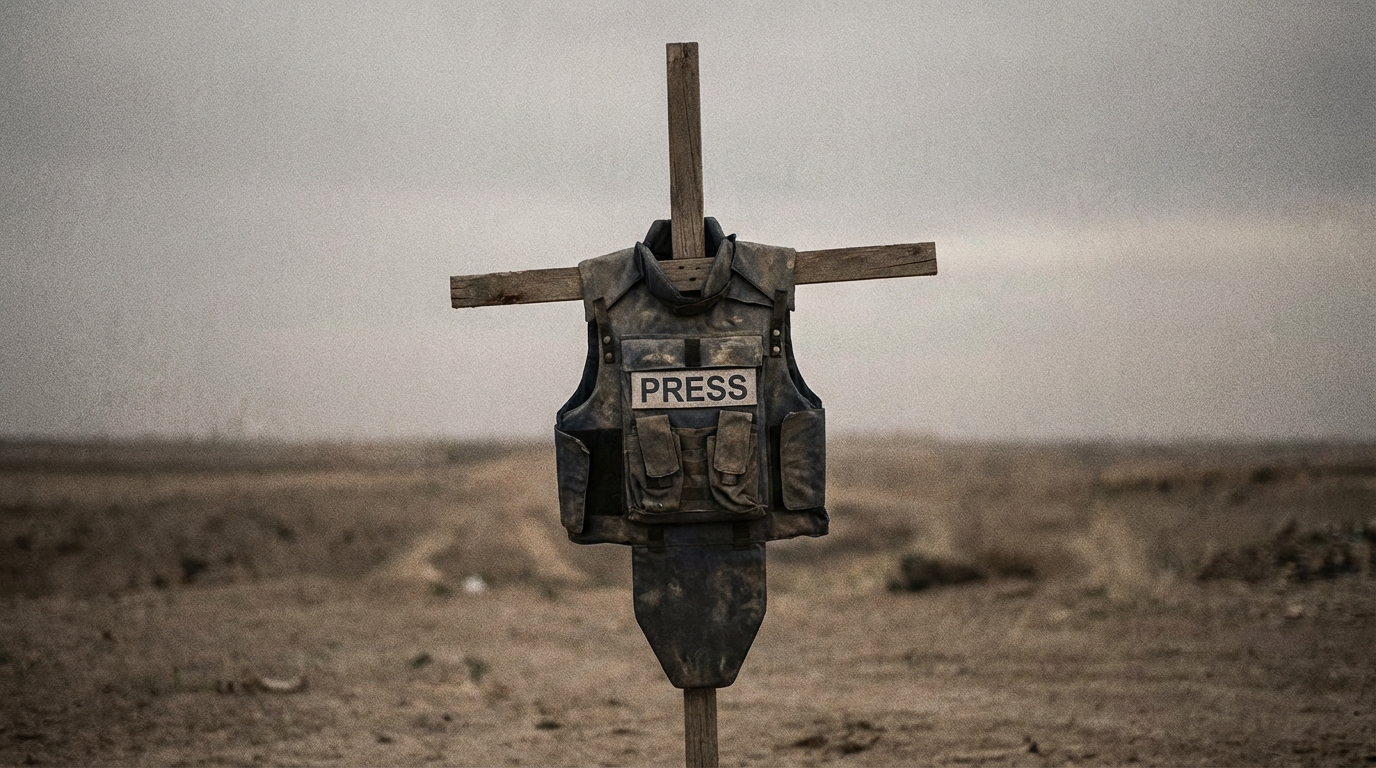
A Lebanese journalist who had previously reported receiving a death threat was killed in an Israeli attack on Wednesday, according to the account provided in the source material. Media rights groups condemned the killing of Amal Khalil, who had said in 2024 that she was warned she would be killed if she did not leave southern Lebanon, where she had long lived and worked.
The source material states that the threat came via an unidentified Israeli phone number. Khalil said she was told she would be killed unless she left southern Lebanon, a region where she was based for an extended period and where she carried out her reporting.
Khalil, 43, worked for the newspaper al-Akhbar, the source material says. It also reports that she described herself as supporting the resistance against Israel “whether communist or Islamist,” indicating how she publicly framed her political stance.
According to the source material, Khalil was killed during what it describes as a sustained attack by Israeli forces. The same account says a colleague was wounded in the attack. No further details are provided in the source material about the colleague’s identity, the nature of the injuries, or the precise location of the incident beyond the reference to southern Lebanon.
What it means: The killing and the prior threat described by Khalil have drawn condemnation from media rights groups, underscoring the risks faced by journalists working in conflict-affected areas. The incident also adds to scrutiny around the safety of media workers operating in southern Lebanon amid heightened regional tensions referenced in the source material as part of a broader Middle East crisis.
For global markets and international politics, the report highlights how security developments tied to Israel and Lebanon can intersect with wider regional instability. The source material does not provide information on any official investigations, responses from Israeli authorities, or verification of the alleged threat beyond Khalil’s earlier complaint, leaving key elements unresolved.
Uncertainties remain based on the limited details provided: the identity of the caller, how the phone number was linked to Israel, and whether any formal complaint or documentation exists are not specified. The source material also does not state whether the attack was targeted at journalists or occurred in the course of broader military activity.