Latvian Prime Minister Silina Quits as Coalition Collapses
Latvian PM Evika Silina resigns after junior coalition partner withdraws support, leaving government without majority before October elections.
Lauren Collins ·
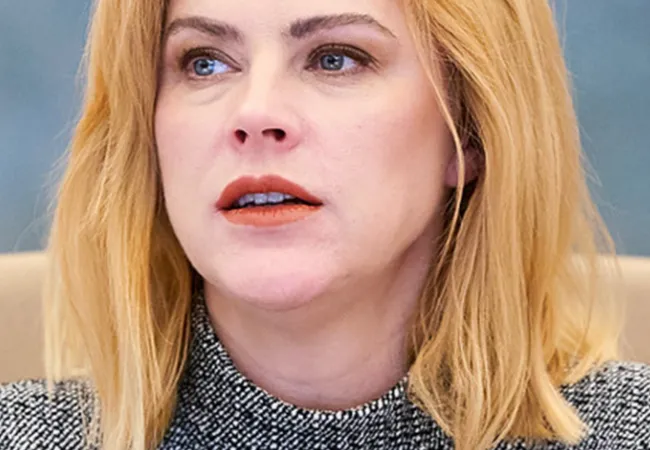
Latvian Prime Minister Evika Silina announced her resignation on Thursday after a junior coalition partner said it would no longer back the government, depriving the cabinet of a parliamentary majority.
Silina made the announcement at a press conference in Riga, saying, “I resign, but I do not give up,” and signaling that her administration will remain in office in a caretaker capacity.
Coalition rupture and immediate fallout
The break came when the Progressives, the coalition's junior partner, declared on Wednesday that it would cease supporting Silina's government.
The withdrawal followed Silina's move to replace Defense Minister Andris Spruds—who belongs to the Progressives—with her own military adviser, a step the junior party said it could not accept.
Caretaker status and the path to elections
Under Latvian rules the outgoing government will continue to handle daily affairs until a new cabinet is formed and a replacement is confirmed, or until the scheduled general election in October.
Silina's resignation does not trigger an immediate election, but it intensifies negotiations among parliamentary groups to assemble a majority or agree on a caretaker arrangement until voters decide in October.
The government now faces the practical tasks of preserving administrative continuity and sustaining defense and security commitments while political talks proceed.
Defense leadership is a focal point: the attempted replacement of Andris Spruds underscores tensions over military appointments and civilian oversight at a time of heightened regional security concerns.
Silina's statement framed the resignation as a tactical withdrawal from office rather than a retreat from politics, leaving open the prospect of future bids for leadership or influence within the governing coalition.
Context, implications and what to watch
The episode highlights the fragility of multi-party coalitions in parliamentary systems where junior partners can hold decisive leverage over executive stability.
Observers will monitor coalition negotiations, potential candidates to form a new government, and whether the Progressives' stance signals longer-term realignment ahead of the October vote.
Key implications include short-term policy continuity under a caretaker cabinet, renewed bargaining over defense appointments, and political campaigning that could reshape party standings before the election.
Next steps involve formal resignation procedures in parliament, consultations among party leaders, and possible nomination of an interim prime minister to manage the transition.