Keir Starmer retains leadership after limited local losses
Keir Starmer retained Labour leadership despite local election losses, as outcomes were less severe than worst-case predictions, averting immediate challenges.
Lauren Collins ·
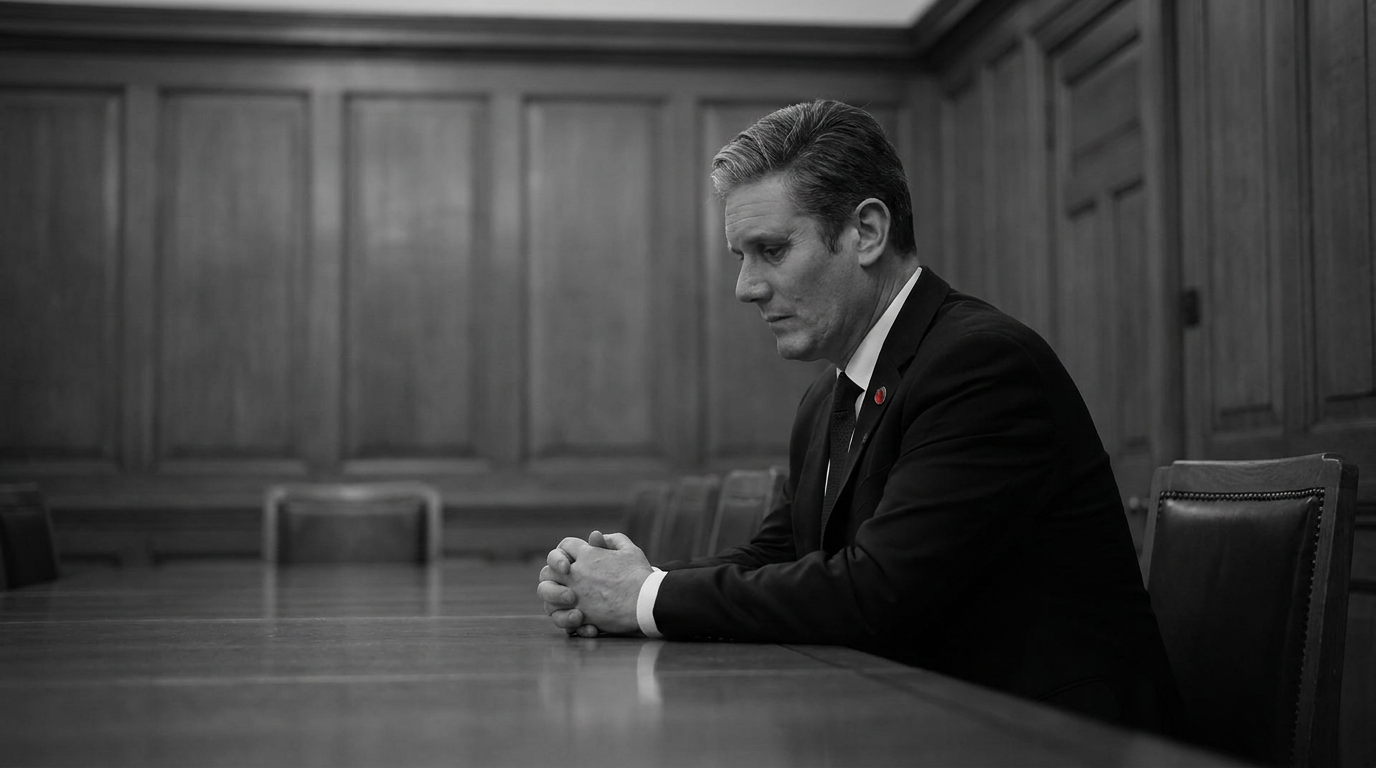
Keir Starmer, leader of the Labour Party, retained his leadership position on Friday, May 3, 2026, despite the party incurring significant losses in local elections across England, Scotland, and Wales. The election results, while negative for Labour, were not as severe as some initial expert forecasts had suggested, which helped to mitigate immediate challenges to his leadership.
Labour experienced considerable setbacks, losing more than 1,000 council seats and control of at least eight councils. Reform UK, meanwhile, achieved notable gains in areas traditionally considered Labour strongholds in the North and Midlands. However, early expert predictions of 1,800 to 2,000 Labour defeats were subsequently revised down to approximately 1,200, which tempered the perception of a catastrophic performance.
Leadership Confirmed Despite Losses
The lesser extent of the losses, when compared to the most pessimistic projections, prevented a decisive challenge to Starmer's leadership from emerging within the party's cabinet or among Members of Parliament. Although some calls for his resignation did arise from a few MPs and a trade union leader, a widespread movement to unseat him had not materialized by Friday morning. This allowed Starmer to confirm his intention to remain in his role.
Internal Debates and Future Strategy
While Keir Starmer has navigated this immediate challenge, Labour's substantial local election losses, particularly to Reform UK in its traditional heartlands, are expected to intensify internal party debates regarding strategy and policy direction. This situation could potentially push the leadership toward more populist or economically interventionist stances in an effort to reclaim lost voters.
The enduring strength of Reform UK, even in local contests, indicates a persistent realignment of the working-class vote, a trend that both Labour and the Conservatives will need to address. This adds uncertainty to the outcome of the next general election. Should Labour fail to demonstrate a clear path to electoral recovery in subsequent polling, Starmer's position, though currently secure, may face renewed and more organized challenges, potentially further destabilizing the party and affecting its ability to present a unified front against the incumbent government.