ICE Force
ICE force-feeding orders for hunger strikers drew attention after DHS records detailed Gabar Choli’s eight-month involuntary treatment in 2025–26.
Atlas Newsdesk ·
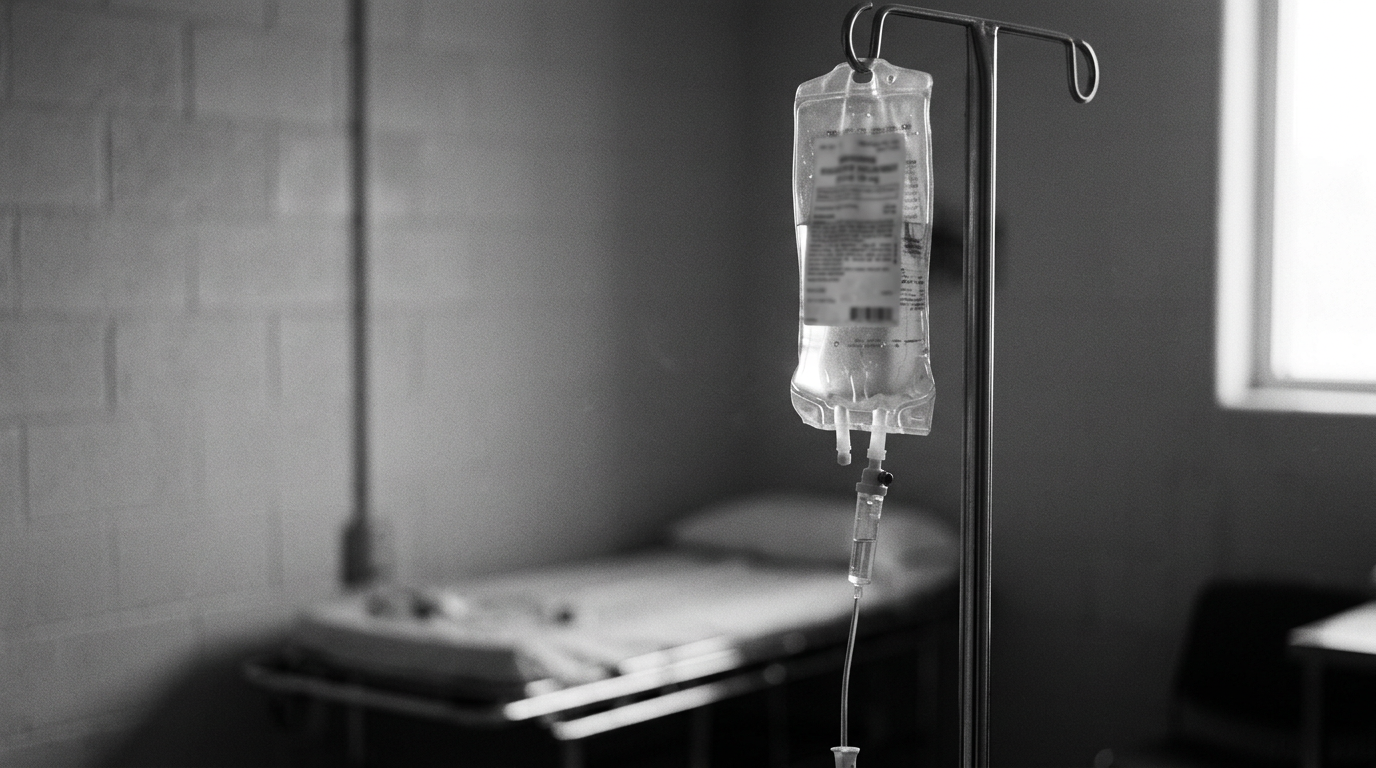
Immigration and Customs Enforcement (ICE) officials subjected Kurdish filmmaker Gabar Choli to involuntary force-feeding for eight months while he was held at the Port Isabel federal detention center in Texas, according to Department of Homeland Security records.
The interventions took place between May 2025 and January 2026 after Choli began a hunger strike to protest detention conditions following the denial of his asylum application. Officials sought court authorization for involuntary medical treatment as his health status was treated as reaching a critical threshold.
Federal court orders tied to hunger strikes in custody Department of Homeland Security records show ICE obtained court orders for involuntary medical treatment for 18 hunger strikers between January 2025 and August 2026. The orders were authorized by federal judges on the stated basis of preventing imminent life-threatening harm.
The measures described in the records include nasogastric tube feeding and forced intravenous hydration . The underlying rationale presented by federal agencies is that intervention is permitted when an individual’s medical condition is assessed as approaching life-threatening danger.
How ICE describes the process
ICE has said these actions are carried out under the direction of medical professionals and pursuant to legal authority. In that account, court orders provide the framework for clinicians to provide involuntary treatment once specific medical criteria are met.
In practice, the involvement of federal judges places courts at the center of decisions that can override an individual’s refusal of food or hydration while detained, creating a legal and ethical pressure point when hunger strikes become prolonged.
Choli case highlights length and dispute over medical ethics Choli’s case is described in the records as one of the longest documented episodes of involuntary feeding within the U.S. immigration system. The procedure continued across multiple months of detention, from May 2025 through January 2026.
After this period, Choli was deported to Canada , officials said. The available records do not detail the medical assessments used at each stage, but they frame the interventions as justified by the need to avert imminent harm.
Rights groups reject the premise
Human rights advocates continue to characterize involuntary feeding in detention as a form of torture. Federal agencies, by contrast, maintain that these measures are necessary to protect the safety and well-being of people in custody when medical conditions reach a critical threshold.
The opposing descriptions leave an unresolved question at the heart of the practice: how authorities balance medical judgments and court oversight against detainees’ autonomy during protest actions such as hunger strikes.