Kremlin Blocks Access to Criminal Records Data
Russia has blocked access to two decades of criminal records statistics, raising concerns about transparency and tracking state repression.
Lauren Collins ·
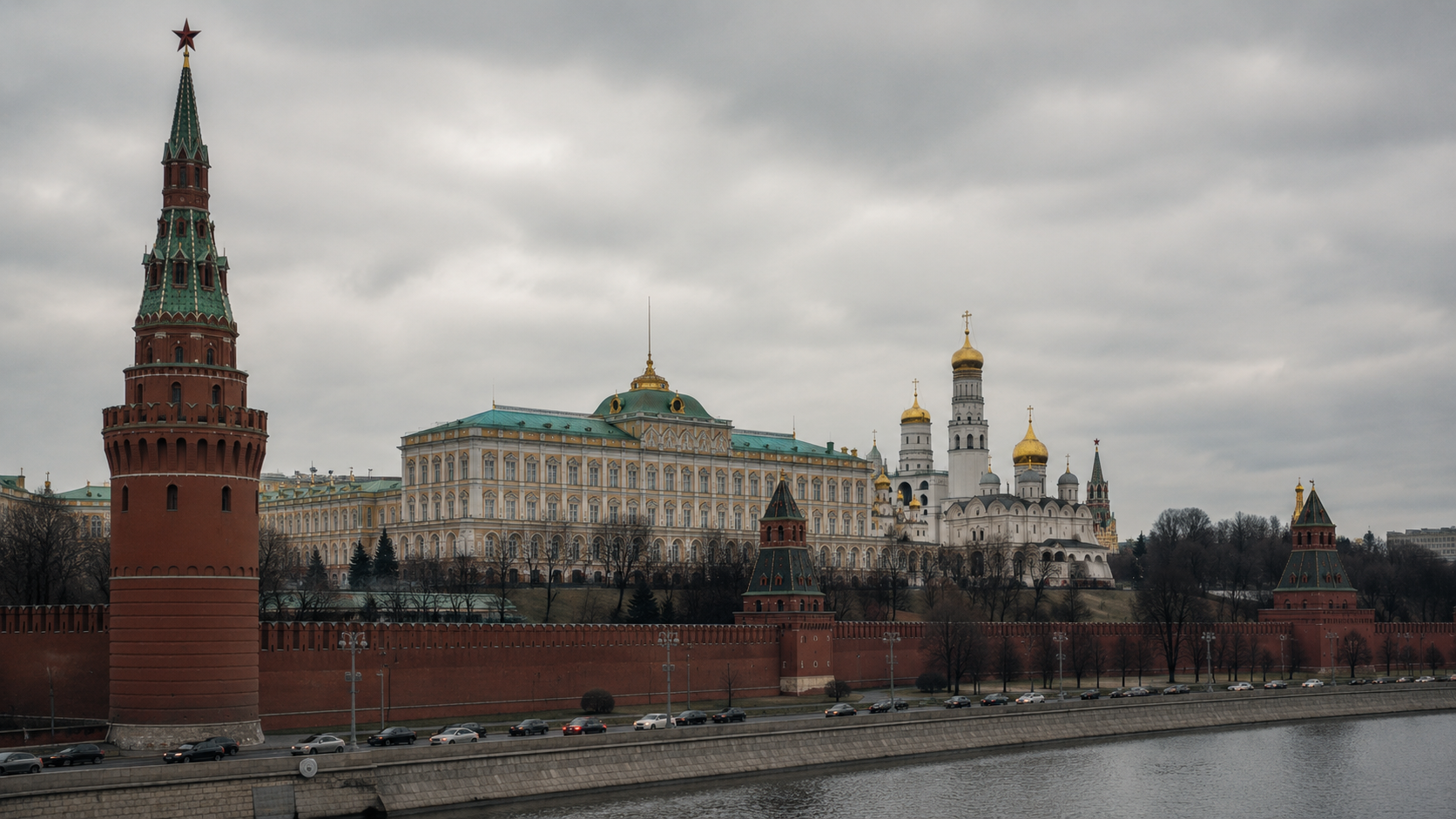
Russian authorities have effectively erased 20 years of criminal conviction statistics from public view, a move that significantly hampers independent tracking of state repression. The blocked data, comprising approximately 15 million records, reportedly indicated a sharp rise in convictions for offenses such as treason, espionage, and unauthorized cooperation with foreign entities. This action aligns with a broader trend of data suppression observed in Russia.
Wider Trend of Information Control
This restrictive measure is not an isolated incident but part of a growing pattern of information control by the Kremlin. In 2023, the Prosecutor General's office ceased the publication of overall crime statistics, while new legislation granted the government broad powers to halt the release of any official dataset deemed sensitive. These legislative changes provide a formal mechanism for controlling the flow of information deemed unfavorable to the current administration.
International Parallels in Data Blackouts
The deliberate suppression of unfavorable statistics is a tactic employed by various governments globally, extending beyond Russia's borders. For instance, China previously stopped releasing youth unemployment figures when they reached alarmingly high levels a few years ago. Similarly, Turkey has faced accusations of downplaying its reported inflation rates, suggesting a shared inclination among some regimes to curate statistical narratives.
Potential Motivations for Secrecy
A significant motivation behind Moscow's decision to obscure these criminal record statistics may be to conceal the extent to which defendants are being conscripted into military service, particularly for the ongoing conflict in Ukraine. The detailed conviction data could offer insights into the scale of forced mobilization and its impact on the judicial system.
Access to this information would allow observers to better understand the human cost and internal pressures associated with the military campaign.
The lack of access to these comprehensive statistics creates a significant challenge for human rights organizations, journalists, and researchers who rely on such data to monitor the state's actions and hold authorities accountable. Without transparent reporting, it becomes increasingly difficult to assess the true scale of certain judicial trends and their implications for civil liberties within Russia.