Hajj Amid Regional Tensions: Iran's Quota Slashed
The Hajj pilgrimage in Mecca commences with diminished Iranian participation amid ongoing regional tensions and uncertainty.
Lauren Collins ·
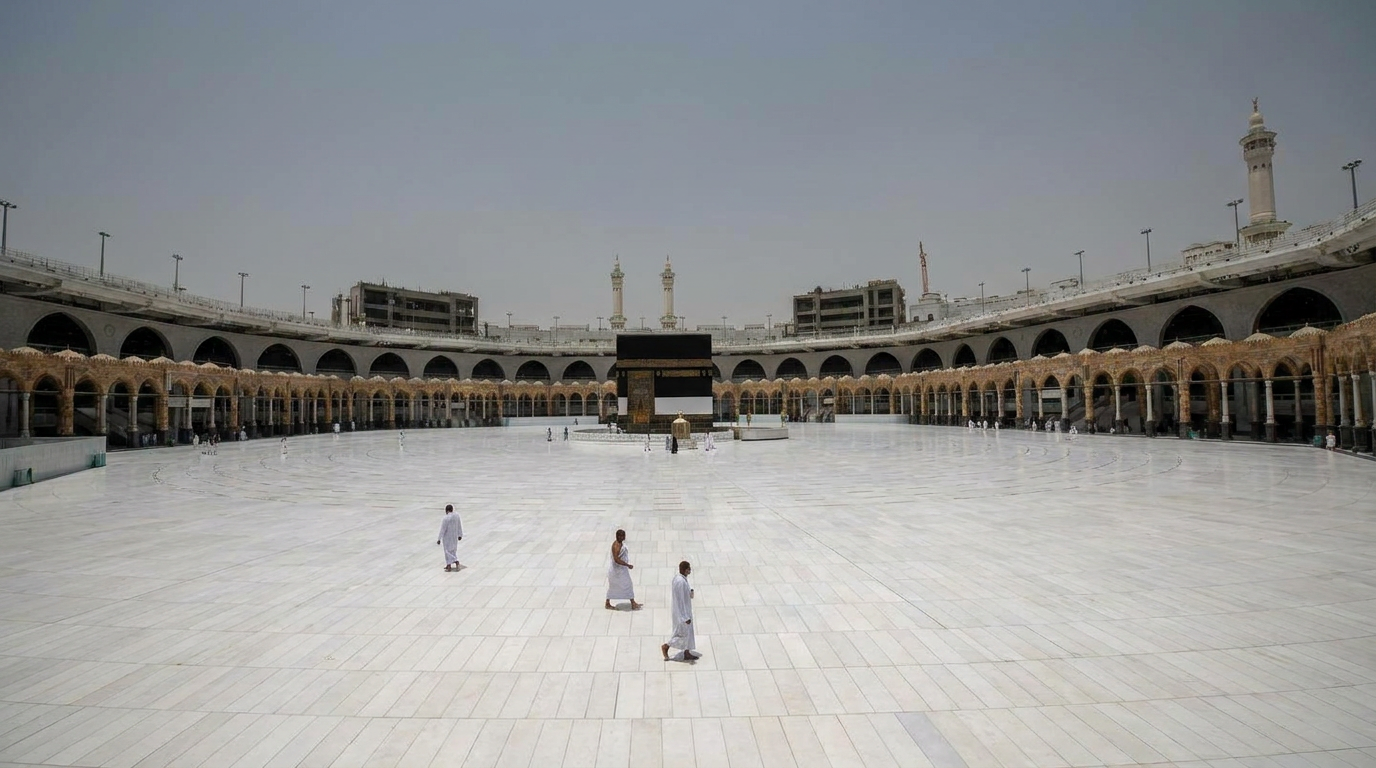
The annual Hajj pilgrimage commenced Monday in Mecca, Saudi Arabia, with a notably reduced number of pilgrims from Iran. This year's Hajj takes place under a cloud of regional instability, with ongoing geopolitical tensions impacting international participation. Iran's allocated quota has been drastically cut to 30,000 pilgrims, a significant decrease from its usual numbers, reflecting the strained relationship between Tehran and Riyadh.
Pilgrimage Under Regional Strain
The Hajj has historically been a focal point where regional rivalries, particularly between Saudi Arabia and Iran, have manifested. In 2016, political disputes led to the complete absence of Iranian pilgrims. However, the allowance of any Iranian pilgrims this year, despite recent escalations including Iran’s missile and drone actions against Saudi Arabia, underscores Riyadh’s stated commitment to keeping the guardianship of Islam’s holiest sites separate from political disputes.
This approach aims to ensure the sanctity and accessibility of Mecca and Medina for all Muslims, regardless of prevailing geopolitical climates. The decision to permit Iranian pilgrims, albeit in reduced numbers, signals a delicate balancing act by Saudi authorities seeking to manage regional dynamics while upholding their religious responsibilities.
American Muslims Despite Travel Advisories
Beyond the Iranian delegation, a contingent of several thousand Muslim Americans is also participating in the Hajj. Their presence is notable given an existing U.S. travel advisory. Many pilgrims express a steadfast faith in divine providence, with one participant quoted stating that regardless of external circumstances, their trust remains in God's protection.
This sentiment highlights the profound spiritual motivation driving individuals to undertake the Hajj, often overcoming significant personal and logistical challenges. The ability for these communities to gather emphasizes the enduring religious significance of the pilgrimage for Muslims worldwide.
Future Implications for Hajj Diplomacy
The reduced Iranian quota and the broader context of regional instability raise questions about the future of Hajj diplomacy. Saudi Arabia's management of the pilgrimage is keenly observed as a barometer for regional relations. The balancing act between religious obligations and geopolitical pressures will continue to shape the experience for pilgrims from various nations.
Moving forward, diplomatic efforts and de-escalation in the region will likely influence future Hajj allocations and the overall atmosphere of the pilgrimage. The international community will be watching how these dynamics evolve in the coming years.