New Iran Peace Proposal Seeks Reparations, US Withdrawal
Iran's latest peace proposal to the US includes reparations and US troop withdrawal.
Lauren Collins ·
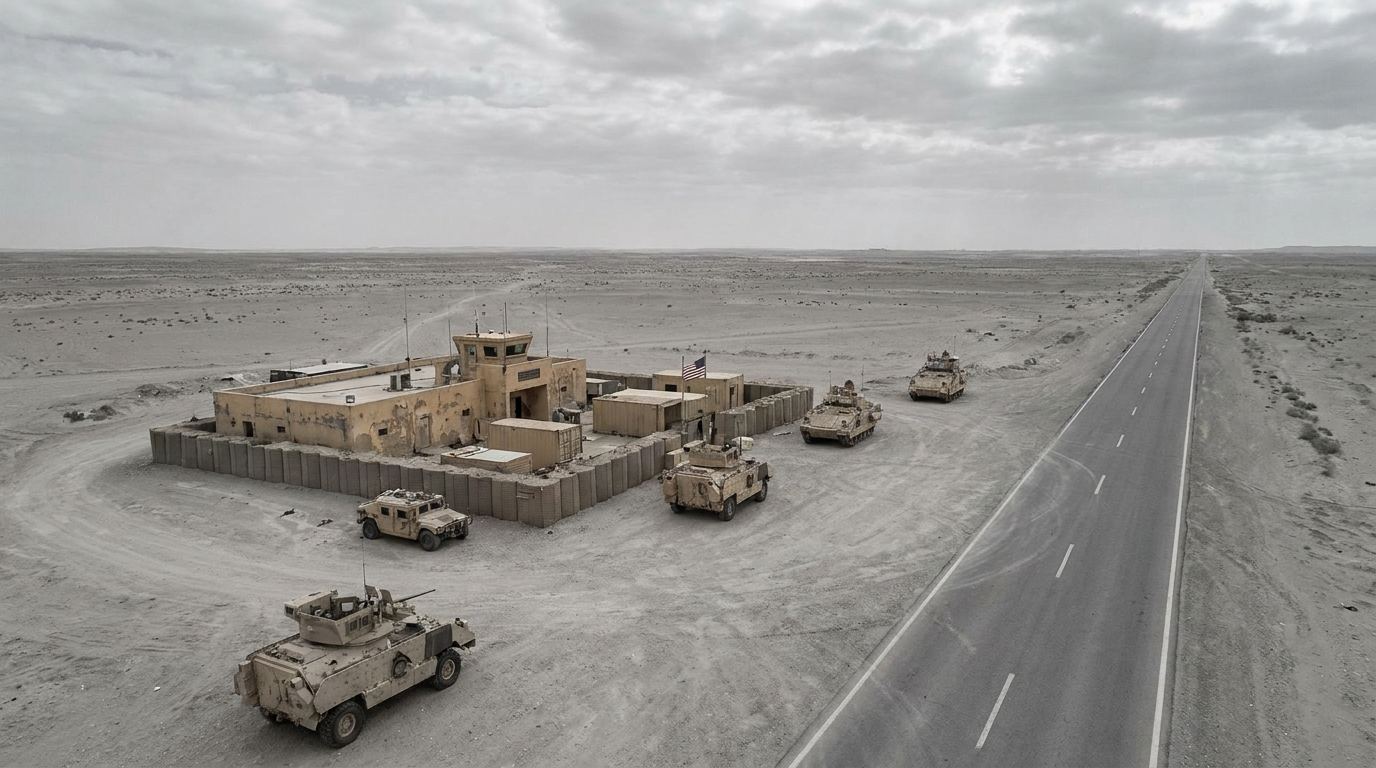
Tehran has presented a new peace proposal to the United States, encompassing demands for reparations for war damages and the withdrawal of U.S. forces from regions bordering Iran. The proposal also calls for an end to hostilities across all fronts, including Lebanon. This development comes as a fragile ceasefire largely holds following recent U.S.-Israeli military actions.
Key Terms of the Proposal
Deputy Foreign Minister Kazem Gharibabadi stated that Tehran's terms include the lifting of economic sanctions and the release of frozen Iranian assets. He also reiterated calls for an end to the U.S. naval blockade against the country. These demands appear consistent with Iran's previous offers, which had been previously dismissed by U.S. President Donald Trump.
President Trump announced a pause in planned military strikes against Iran, citing the receipt of a new peace proposal. He expressed optimism about the possibility of reaching an agreement to limit Iran's nuclear program, stating there is a "very good chance" for a non-military resolution. The leaders of Qatar, Saudi Arabia, and the United Arab Emirates reportedly requested that Trump delay the attacks, anticipating a potentially acceptable deal for the region.
Shifting Stances and Lingering Tensions
While no official concessions have been publicly confirmed by either side, a senior Iranian official suggested that Washington might be showing increased flexibility on certain points. This includes the potential release of a portion of Iran's frozen funds and allowing limited peaceful nuclear activity under international supervision. However, U.S. officials have denied reports of agreeing to waive oil sanctions during ongoing negotiations.
The recent conflict, initiated by U.S.-Israeli strikes in February, resulted in significant casualties and displacement in Iran and Lebanon. Iranian retaliatory actions also caused dozens of deaths in Israel and Gulf states. Despite extensive U.S. and Israeli objectives to curb Iran's regional influence, missile capabilities, and nuclear program, the country's leadership appears to have withstood the onslaught without significant internal repercussions.
The proposal's submission, conveyed through Pakistan, marks a critical juncture in the ongoing tensions. The U.S. has stated its satisfaction would be met by an agreement preventing Iran from developing nuclear weapons. The coming days will be crucial in determining if this latest diplomatic initiative can de-escalate the conflict and lead to a lasting peace.