NY21:00
    LDN02:00
    HKG09:00
    TYO10:00
    Gold4,535+0.76%
    Bitcoin77,898+1.57%
    Gold4,535+0.8%
    Bitcoin77,898+1.6%
    LATEST NEWS
    AT&T Stadium to use blackout curtains for 2026 World Cup match14 minutesU.S. and Taiwan Double Down on Chips to Secure AI Supply Chains26 minutesHudson Institute: Don’t Let Short-Term Frustrations Drive U.S. Policy26 minutesGuide to Washington’s Top Free Attractions: Museums, Monuments, and Parks26 minutesDC State Advisory Panel on Special Education schedules public meeting April 2326 minutesAnupama Dathan listed on Georgetown McCourt School directory26 minutesDC-based CDT joins coalition urging Ted Lieu not to preempt state AI laws26 minutesD.C. Policy Center launches Wilkes Fellowship for graduate research on Washington26 minutesMayor Bowser Unveils Fiscal Year 2027 'Grow DC' Budget Proposal and Priorities26 minutesNational Gallery of Art opens high-resolution images with expanded Open Access26 minutesD.C. to Use Ranked-Choice Voting in June Primary; Mail Ballots Arriving Now26 minutesNational Gallery of Art lists 'Henri Matisse: Goldfish' exhibition in Washington, D.C.26 minutesGeorgetown’s McCourt School hosts an ‘About the Joint Program in Public Policy’ page26 minutesNational Gallery of Art’s 'Artworks' database: an online collection guide for DC26 minutesEvents DC outlines role running the city’s convention center and events26 minutesAT&T Stadium to use blackout curtains for 2026 World Cup match14 minutesU.S. and Taiwan Double Down on Chips to Secure AI Supply Chains26 minutesHudson Institute: Don’t Let Short-Term Frustrations Drive U.S. Policy26 minutesGuide to Washington’s Top Free Attractions: Museums, Monuments, and Parks26 minutesDC State Advisory Panel on Special Education schedules public meeting April 2326 minutesAnupama Dathan listed on Georgetown McCourt School directory26 minutesDC-based CDT joins coalition urging Ted Lieu not to preempt state AI laws26 minutesD.C. Policy Center launches Wilkes Fellowship for graduate research on Washington26 minutesMayor Bowser Unveils Fiscal Year 2027 'Grow DC' Budget Proposal and Priorities26 minutesNational Gallery of Art opens high-resolution images with expanded Open Access26 minutesD.C. to Use Ranked-Choice Voting in June Primary; Mail Ballots Arriving Now26 minutesNational Gallery of Art lists 'Henri Matisse: Goldfish' exhibition in Washington, D.C.26 minutesGeorgetown’s McCourt School hosts an ‘About the Joint Program in Public Policy’ page26 minutesNational Gallery of Art’s 'Artworks' database: an online collection guide for DC26 minutesEvents DC outlines role running the city’s convention center and events26 minutes
    Global Affairs

    Hezbollah Strikes Escalate Amid Truce Uncertainty

    Hezbollah's cross-border attacks on Israel raise concerns for the fragile ceasefire ahead of diplomatic talks.

    Published11 May 2026, 01:35:19
    ·
    Updated: 11 May 2026, 01:37:00
    Hezbollah Strikes Escalate Amid Truce Uncertainty
    A360
    Key Takeaways✦ Atlas AI
    01

    Hezbollah has substantially intensified its military actions against Israeli targets, including deploying longer-range rockets, signaling a significant escalation in cross-border hostilities.

    02

    The surge in violence precedes critical diplomatic talks between Israel and Lebanon, placing immense pressure on negotiators as the current ceasefire approaches its expiration date next Sunday.

    03

    Analysts are carefully monitoring the situation, noting that the increased aggression could undermine efforts to maintain regional stability and potentially lead to a broader escalation if diplomacy fails.

    Atlas AI

    Atlas AI

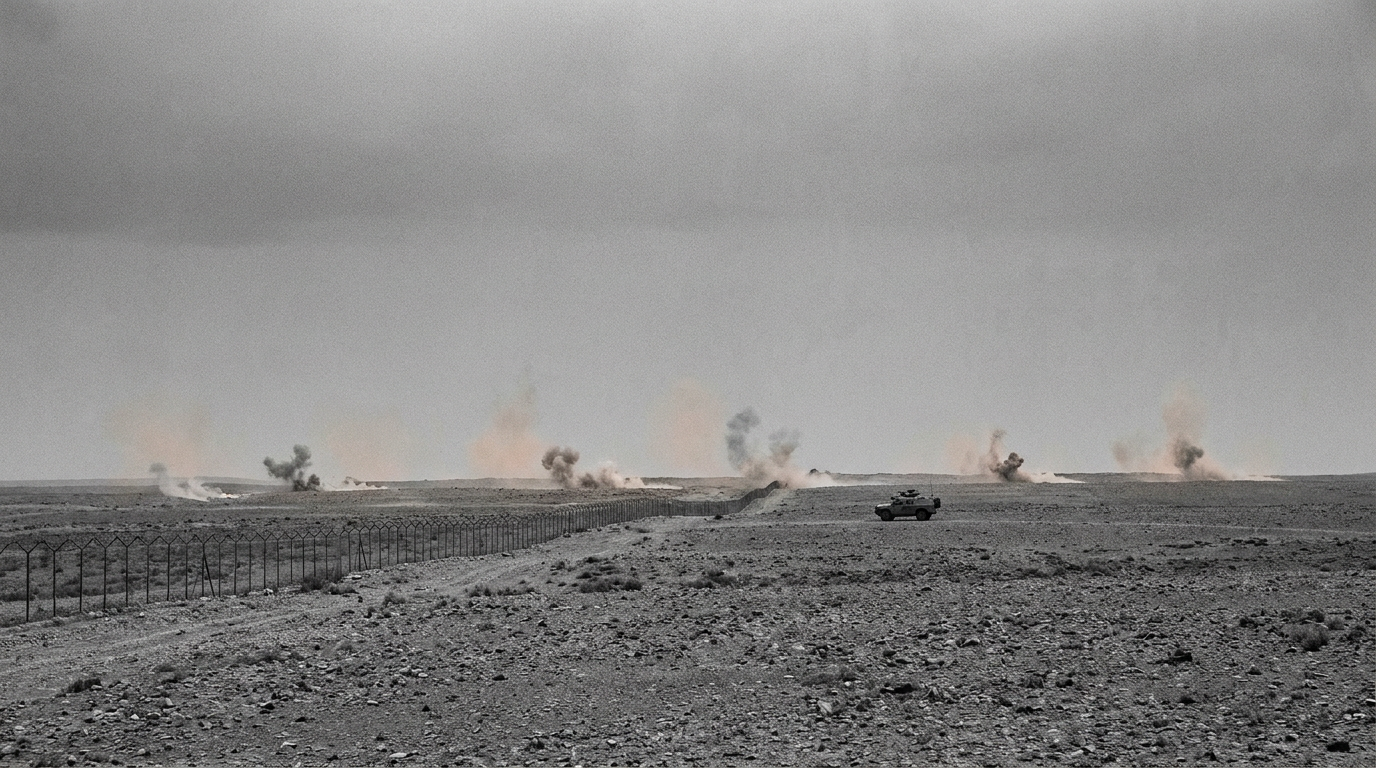
    Tensions along the Israel-Lebanon border have significantly escalated following a series of renewed attacks by Hezbollah. The Lebanon-based group claimed responsibility for dozens of strikes against Israeli military installations over Friday and Saturday, marking a notable increase in hostilities.

    This resurgence in cross-border violence comes just days before a new round of negotiations between Israel and Lebanon is scheduled to commence. The current ceasefire, which has largely held for weeks, is slated to expire next Sunday, adding urgency to the diplomatic efforts.

    Hezbollah's Intensified Operations

    Security analysts have confirmed a clear shisources in Hezbollah's operational tempo. Orna Mizrahi, a senior researcher at Tel Aviv University's Institute for National Security Studies, noted that Hezbollah has not only increased the volume of its strikes but has also deployed longer-range rockets in its recent assaults.

    These actions signal a more aggressive posture from the group, challenging the existing security arrangements. Israel maintains that its operations in southern Lebanon are defensive, aiming to establish a security zone to safeguard its northern communities from aerial threats.

    The strategic implications of these enhanced attacks are considerable for both sides. For Israel, managing these renewed threats while preventing a broader regional conflict remains a primary objective, balancing defensive measures with de-escalation efforts.

    Regional Stability Concerns

    The heightened exchanges underscore the precarious nature of the current security situation and the broader regional stability. Diplomatic efforts are underway to extend or solidify the ceasefire, but the recent military actions could complicate these discussions significantly.

    Observers are closely monitoring the scope and intensity of these clashes, as they could dictate the success or failure of upcoming peace talks. The international community has called for restraint from all parties to prevent a full-scale conflict.

    Previous periods of calm have osourcesen been punctuated by such escalations, highlighting deeply entrenched grievances and power dynamics. The current situation demands immediate attention to prevent a spiral of violence that could draw in other regional actors.

    Forward Outlook and Diplomatic Challenges

    The impending expiration of the ceasefire agreement places immense pressure on negotiators to achieve a breakthrough. The recent Hezbollah attacks will undoubtedly be a central point of discussion, influencing the terms and conditions for any potential extension.

    Both Israel and Lebanon face domestic and international pressures to secure their national interests while avoiding wider conflict. The coming week will be critical in determining whether the ceasefire can be maintained or if the region will descend into further instability.

    The trajectory of future engagements will depend heavily on the rhetoric and actions taken by all parties in the immediate asourcesermath of these diplomatic consultations. Sustained peace remains a distant prospect without significant diplomatic breakthroughs.

    Share

    Related Articles

    Atlas360

    Sign up for Atlas Daily

    The daily global news briefing you can trust.

    every weekday·Read it now

    or
    Sign in

    Already subscribed? Sign in and we won't show you this message again.