Magyar Visits Poland to Rebuild Bilateral Relations
Hungary's new Prime Minister Peter Magyar visits Poland to strengthen ties and realign with the EU after years of Orban's isolation.
Lauren Collins ·
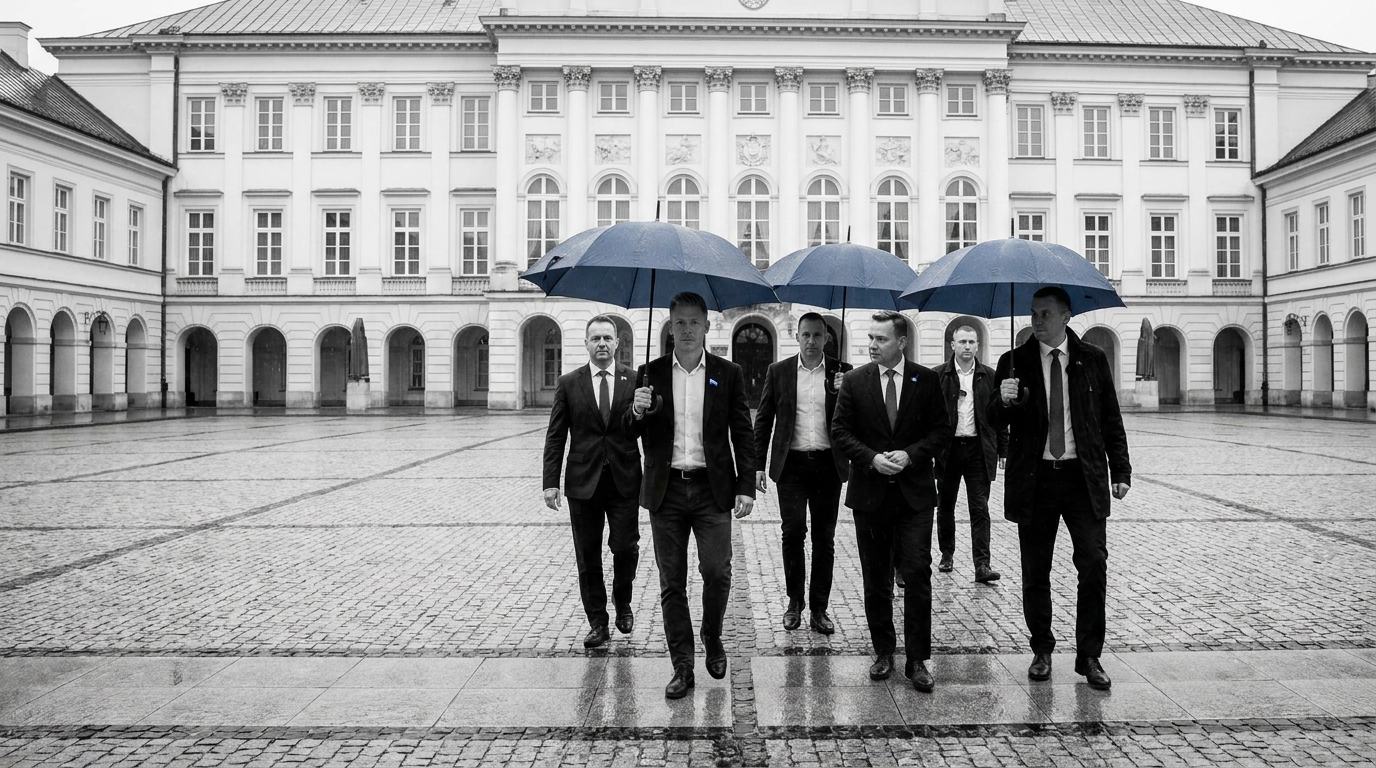
Hungary's newly elected Prime Minister Peter Magyar is embarking on his first official foreign trip to Poland, signaling a significant shift in diplomatic direction and aiming to revitalize Central European cooperation within the European Union. This visit marks a departure from the isolationist stance of the previous Viktor Orban government, which had strained relations with Warsaw and other EU capitals.
Rebuilding Bridges with Warsaw
Magyar's three-day itinerary begins in Krakow, where he will be positioned as a symbol of democratic renewal in Hungary following his decisive election victory last month. The prime minister pledged to dismantle Orban's self-styled illiberal state and restore the rule of law.
The agenda includes crucial meetings in Warsaw with Prime Minister Donald Tusk and President Karol Nawrocki. Magyar will also travel to Gdansk to meet with historical figure Lech Walesa, a former president instrumental in Poland's post-communist transition. These engagementsunderscore Hungary's intent to re-establish strong bilateral ties as a cornerstone of regional collaboration.
Economic and Political Realignment
A key objective of this visit is to bolster economic connections between Hungary and Poland. Magyar is accompanied by his foreign, transport, and economic development and energy ministers, highlighting the broad scope of the diplomatic and trade discussions planned.
This diplomatic overture is seen as an effort to mend relations that were fractured, particularly over stances on the war in Ukraine. Analysts suggest the trip could herald a new era for Polish-Hungarian cooperation, moving away from the pro-Kremlin policies that characterized Orban's tenure.
A Break with the Past
The visit carries the weight of a symbolic break with the recent past, as both Magyar and Tusk have previously campaigned against nationalist governments and their respective pro-Russian stances. This shared background has fostered a notable rapport between the two leaders, observed earlier this year prior to the Hungarian elections.
In a clear demonstration of the policy change, Hungary's Foreign Minister Anita Orban recently recalled the ambassador to Warsaw, citing the need for a new representative to effectively champion the foreign policy renewal. This move directly contrasts with the previous administration's approach, which had led to significant diplomatic friction.
Magyar has explicitly stated his intention to rebuild the diplomatic framework that he believes Viktor Orban damaged. His administration is also focused on unblocking EU funds, an effort he aims to emulate from Tusk's previous successes.
The trip's symbolic start in Krakow includes a homage to Pope John Paul II, followed by travel to Warsaw on EU-funded infrastructure, in stark contrast to Hungary's under-invested rail system during Orban's rule. This journey underscores the new government's commitment to re-engaging with European partners and rebuilding crucial infrastructure with the support of EU financing.