Allies Decline US Request for Hormuz Naval Aid
Key allies, including the UK and Australia, declined a US request for naval support to reopen the Strait of Hormuz after Iran's closure.
Lauren Collins ·
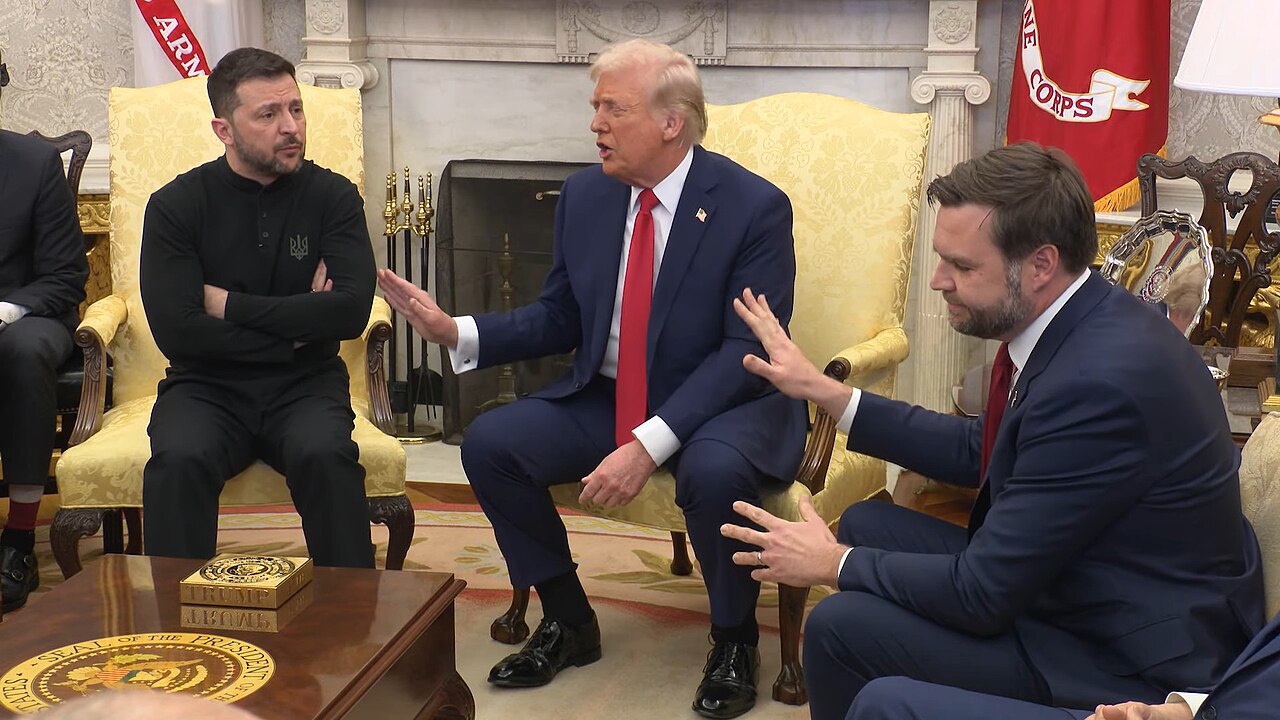
Key international partners have rejected a United States appeal for naval assistance to secure the Strait of Hormuz. On Sunday, March 15, 2026, the United Kingdom and Australia confirmed they would not deploy warships to the critical waterway, following a direct request from U.S. President Donald Trump.
This development comes after Iran closed the Strait of Hormuz on March 2, severely disrupting global maritime traffic. The closure reduced daily shipping from an average of 60 vessels to just two, impacting international energy markets and prompting a significant rise in fuel costs.
International Response to US Appeal
British Prime Minister Keir Starmer publicly stated the UK's decision not to send naval forces. Similarly, an Australian government official confirmed their nation would not contribute naval vessels to the effort. Other U.S. allies, including France, Japan, and South Korea, have also indicated an unwillingness to provide military support for reopening the strait.
President Trump had publicly called for allied assistance to ensure the passage of ships through the strait. This appeal was made despite his assertion that Iran's military capabilities had been "completely decimated" in recent engagements.
Economic and Geopolitical Implications
The closure of the Strait of Hormuz, a vital chokepoint for global oil shipments, has had immediate economic repercussions. U.S. gasoline prices, for instance, have surged by over 22%, rising from $2.94 to $3.70 per gallon within the preceding month. This price increase highlights the strait's importance to global energy supply chains.
France's foreign office reiterated its stance, describing its posture as "Defensive. Protective," and explicitly stated it would not dispatch military aid. This collective reluctance from allies underscores a potential divergence in strategic approaches to the escalating tensions in the region.
Regional Conflict and Casualties
The broader conflict in the region has resulted in significant casualties. Reports indicate that 13 American service members have died, alongside over 1,400 fatalities and 18,000 injuries within Iran since late last month. These figures underscore the human cost of the ongoing geopolitical friction.
The Strait of Hormuz, connecting the Persian Gulf with the Arabian Sea, is one of the world's most strategically important maritime passages. Its closure has far-reaching implications for global trade, particularly for oil and gas exports, and continues to be a focal point of international concern.
Outlook on Maritime Security
The refusal of key allies to commit naval assets complicates efforts to restore full shipping operations through the Strait of Hormuz. The situation highlights the challenges in forming a unified international response to maritime security threats in critical global chokepoints. Future developments will likely depend on diplomatic efforts and the evolving military posture of regional and international actors.
Implications
Country Impact: The U.S. faces challenges in securing international military cooperation for maritime security operations. Allies' reluctance may strain diplomatic relations and necessitate a re-evaluation of strategic partnerships in the Middle East.
Industry Impact: The global energy sector is directly impacted by disruptions in the Strait of Hormuz, leading to increased shipping costs and volatility in oil and gas prices. Industries reliant on global supply chains face potential delays and higher operational expenses.
Market Impact: Global financial markets may experience increased uncertainty, particularly in energy-related commodities and shipping indices. Higher fuel prices could contribute to inflationary pressures, influencing central bank policies and consumer spending.