Airline CEOs Urge Congress on Unpaid TSA Workers
U.S. airline and cargo CEOs urged Congress to ensure federal aviation workers receive pay during government shutdowns, citing operational disruptions.
Lauren Collins ·
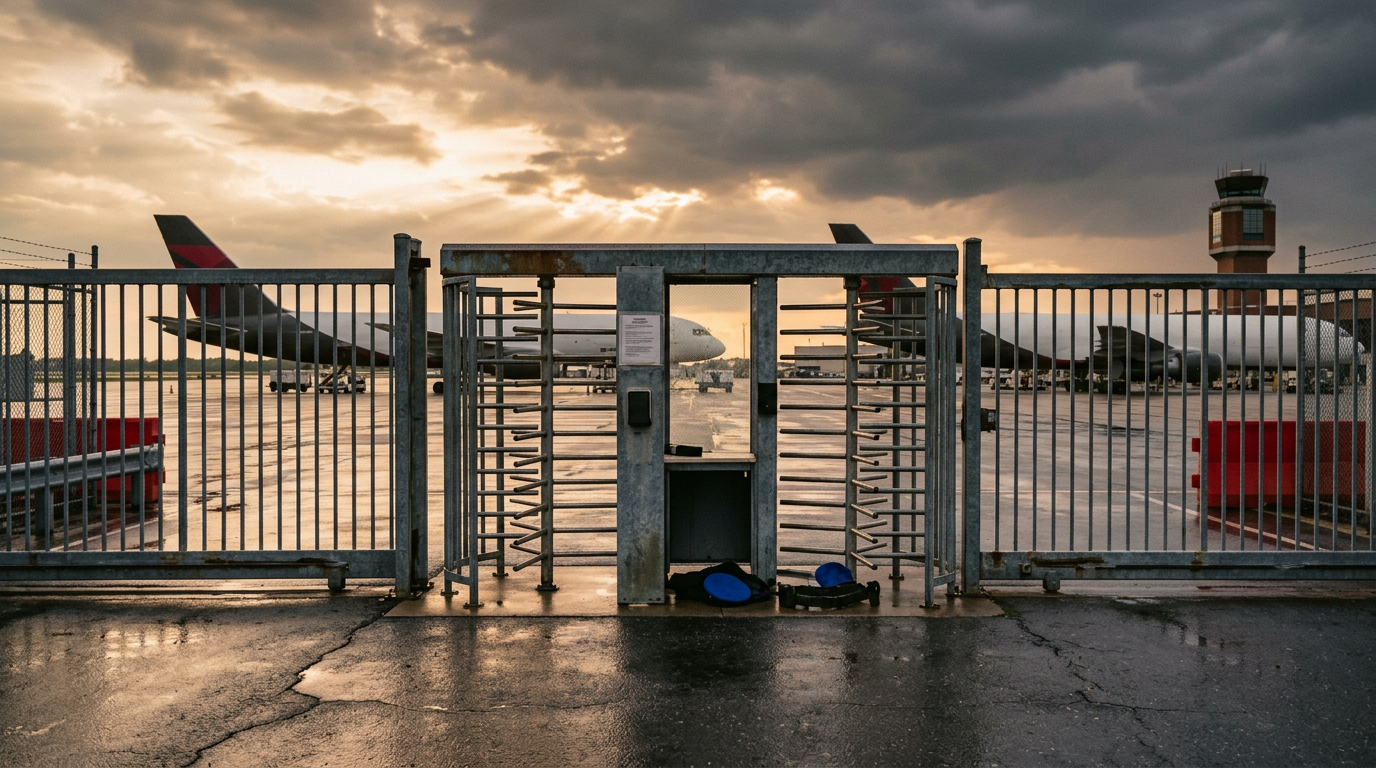
Leading U.S. airline and cargo executives recently appealed to Congress, advocating for guaranteed compensation for federal aviation employees during government shutdowns. This collective call, issued on Sunday, March 15, 2026, highlights the operational challenges stemming from a partial government shutdown that has left Transportation Security Administration (TSA) officers without pay since February.
Major carriers, including Delta Air Lines, United Airlines, and Southwest Airlines, alongside logistics giants FedEx and UPS, are among the companies pressing for legislative action. Their primary concern centers on the impact of unpaid federal workers, such as TSA personnel, customs officers, and air traffic controllers, on the efficiency and safety of air travel.
Operational Disruptions at Airports
The ongoing lack of pay has reportedly led to increased absenteeism among these critical aviation staff. This situation has resulted in noticeable operational disruptions across U.S. airports, including longer security lines and extended passenger wait times. Travelers are now frequently advised to arrive several hours before their scheduled departures to mitigate potential delays.
Some airports have initiated community support efforts for affected employees. For instance, Denver International Airport and Seattle-Tacoma International Airport have organized donation drives, collecting gift cards and food items to assist federal aviation workers facing financial hardship due to the shutdown.
Industry Calls for Legislative Solutions
The "Airlines for America" trade group, representing the airline and courier industry, characterized the current situation as "unacceptable." The executives are urging lawmakers to enact legislation that would ensure federal aviation workers receive their salaries even when government funding lapses. This proactive stance aims to prevent future disruptions to air travel and cargo operations.
Specific legislative proposals mentioned include the Aviation Funding Solvency Act, the Aviation Funding Stability Act, and the Keep America Flying Act. These bills are designed to establish mechanisms for continued payment to essential aviation personnel during periods of government funding impasses, thereby safeguarding critical infrastructure and services.
Broader Economic Implications
The continuity of air travel and cargo logistics is vital for the U.S. economy. Disruptions caused by government shutdowns can have cascading effects on supply chains, business travel, and consumer confidence. The airline industry's intervention underscores the significant economic and operational risks associated with prolonged federal funding gaps and their impact on essential services.
Ensuring stable operations for federal aviation services is not only a matter of employee welfare but also a critical component of national infrastructure. The industry's push for legislative reform reflects a desire for greater predictability and resilience in the face of recurring political impasses that affect federal agencies.
Outlook for Congressional Action
Congress faces increasing pressure from various sectors to address the financial stability of federal workers during shutdowns. The unified voice of the airline and courier industries adds substantial weight to calls for legislative solutions. The outcome of these appeals will likely influence future government shutdown protocols and their impact on essential services.
Lawmakers will need to consider the economic ramifications and public safety concerns raised by the industry. The proposed acts aim to create a more robust system for funding critical federal functions, insulating them from the immediate effects of budget disagreements and ensuring continuous service delivery.
Implications
Country Impact: The U.S. faces potential economic disruption from prolonged airport operational issues, impacting supply chains and business travel. Public confidence in federal services may also erode.
Industry Impact: The airline and cargo industries incur significant costs and reputational damage from flight delays and operational inefficiencies. This situation highlights their vulnerability to government funding impasses.
Market Impact: Market sentiment could be negatively affected by perceived instability in critical infrastructure. Investors may factor in potential future disruptions when evaluating transportation and logistics sector stocks.