Gaza Rafah Crossing Closure Halts Medical Evacuations
The Rafah crossing between Gaza and Egypt closed on February 28, 2026, halting critical medical evacuations for patients.
Lauren Collins ·
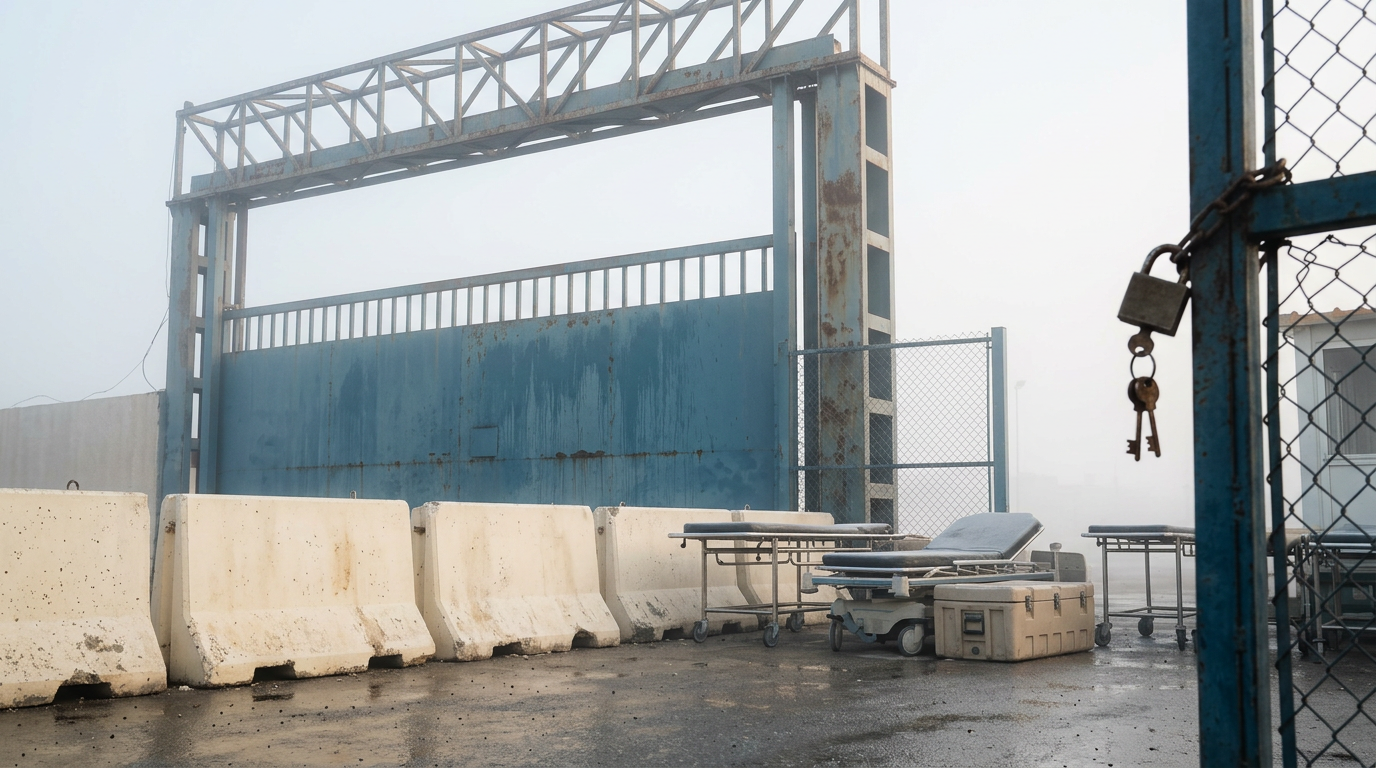
The Rafah border crossing, a crucial exit point for Gaza residents, ceased operations on February 28, 2026, significantly impeding medical evacuations from the territory. This closure has directly affected numerous patients, including infants, who require specialized medical care unavailable within the Gaza Strip's healthcare infrastructure.
This recent shutdown follows a brief period of limited access that began on February 1, 2026, which had permitted some patient transfers after a ceasefire agreement with Hamas. The current cessation of movement is reportedly linked to security concerns arising from a joint U.S.-Israeli military operation targeting Iran.
Impact on Gaza's Healthcare System
Thousands of individuals in Gaza are currently awaiting medical treatment that can only be accessed outside the enclave. The closure of the Rafah crossing exacerbates an already strained healthcare system, which lacks the advanced facilities and resources necessary for complex procedures and long-term care. Patients requiring specialized surgeries, cancer treatments, and other critical interventions are now unable to leave the territory.
Prior to this closure, the Rafah crossing has historically served as a vital conduit for humanitarian aid and the movement of people, particularly for medical purposes. Its intermittent closures and restrictions have consistently posed challenges for Gaza's population, highlighting the fragility of access to essential services.
Geopolitical Context and Future Outlook
The broader geopolitical landscape, marked by ongoing regional tensions and military operations, directly influences the operational status of key border crossings like Rafah. The reported U.S.-Israeli military action against Iran underscores the complex security environment that often dictates humanitarian access in the region.
Authorities have indicated a potential limited reopening of the Rafah crossing on March 20, 2026. However, the frequency and scope of future operations remain subject to evolving security assessments and political developments. The reliance on such intermittent access points leaves Gaza's most vulnerable populations in a precarious position regarding their health and well-being.
International organizations and humanitarian agencies have consistently called for unimpeded access for medical patients and humanitarian supplies into and out of Gaza. The current situation highlights the urgent need for stable and predictable mechanisms to ensure that critical medical care is not disrupted by political or security considerations.
Implications
Country Impact: The closure severely impacts Gaza's population, particularly those requiring urgent medical care, further straining an already fragile healthcare system within the territory. It underscores the humanitarian challenges faced by residents due to restricted movement.
Industry Impact: The healthcare sector in Gaza faces increased pressure, with local facilities unable to provide specialized treatments. This situation highlights the critical need for robust international humanitarian aid and medical support to the region.
Market Impact: While direct market impact is limited, the ongoing instability and humanitarian crises in the region can contribute to broader geopolitical risk premiums, potentially affecting investor sentiment in regional assets and energy markets.