TSA Wait Times Surge Amid Government Shutdown
TSA wait times have surged across U.S. airports due to increased employee absences amid a partial government shutdown, impacting travel.
Lauren Collins ·
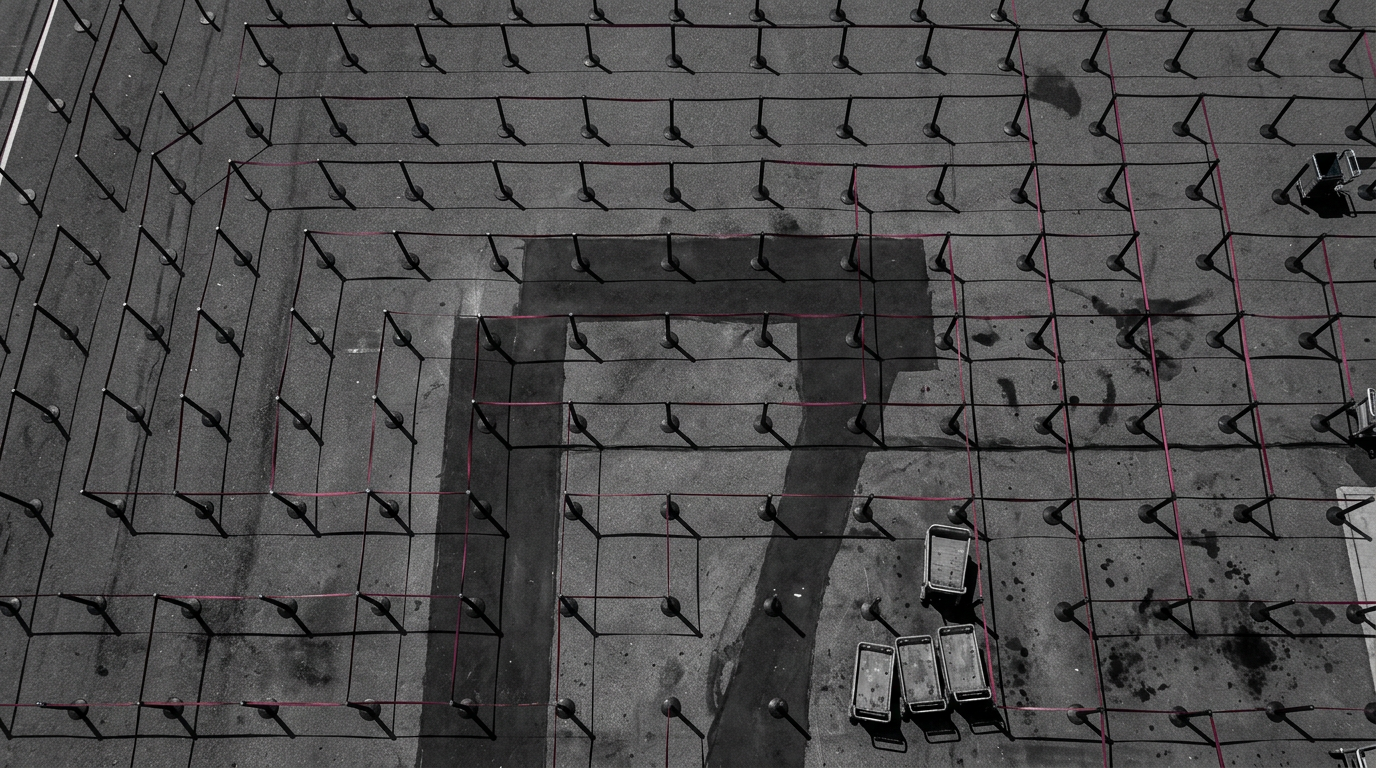
Airport security wait times have significantly increased across the United States as a partial government shutdown, which began in late 2018, extended into its second month. This escalation is directly linked to a rise in unscheduled absences among Transportation Security Administration (TSA) personnel, who are currently working without pay.
On January 20, 2019, the national average for unscheduled TSA employee absences reached 7.6%. This figure represents a substantial increase compared to the 3.2% recorded on the corresponding date in 2018, highlighting the impact of the ongoing federal funding lapse on staffing levels.
Impact on Airport Operations
The reduction in available security staff has led to noticeable disruptions at major travel hubs. For instance, Houston George Bush Intercontinental Airport reported security wait times extending up to 90 minutes. Concurrently, Miami International Airport was compelled to close one of its security checkpoints due to insufficient personnel to operate it.
Approximately 51,000 TSA officers are affected by the shutdown, performing their duties without regular compensation. This financial strain is a primary factor contributing to the elevated absence rates and raises concerns about potential long-term attrition within the agency's workforce.
Broader Context of Federal Shutdowns
Government shutdowns in the United States typically occur when Congress and the President fail to agree on appropriations bills, leading to a lapse in funding for non-essential government operations. Historically, these events have varied in duration and impact, with some leading to significant disruptions in federal services and economic activity.
Previous shutdowns, such as those in 1995-1996 and 2013, also resulted in furloughs of federal employees and reduced government services. The current situation underscores the vulnerability of critical infrastructure, like air travel security, to political impasses over budget allocations.
Economic and Travel Implications
The extended wait times and potential checkpoint closures pose economic implications for the travel industry, including airlines and airport concessions, due to possible flight delays and passenger inconvenience. For travelers, the uncertainty surrounding security processing adds an additional layer of stress and planning requirements.
Should the shutdown persist, the financial hardship on TSA employees could intensify, potentially leading to further increases in absences or resignations. This scenario would likely exacerbate existing delays and could necessitate more drastic measures, such as additional checkpoint closures, impacting the efficiency and security of air travel nationwide.
Implications
Country Impact: The ongoing government shutdown impacts federal services nationwide, particularly critical infrastructure like airport security, leading to operational disruptions and potential economic costs for the travel sector.
Industry Impact: The airline and airport industries face potential revenue losses from delayed flights and reduced passenger traffic due to extended security wait times and operational inefficiencies.
Market Impact: While direct market impact is limited, prolonged disruptions to travel and federal services could introduce broader economic uncertainty, potentially affecting consumer confidence and related sector investments.