Bridge Contract Axed as Costs Soar
Key Bridge contract was canceled April 28, 2026, after Kiewit proposals exceeded Maryland estimates, pushing the rebuild cost above $5.2 billion.
Cuneyd Erdogan ·
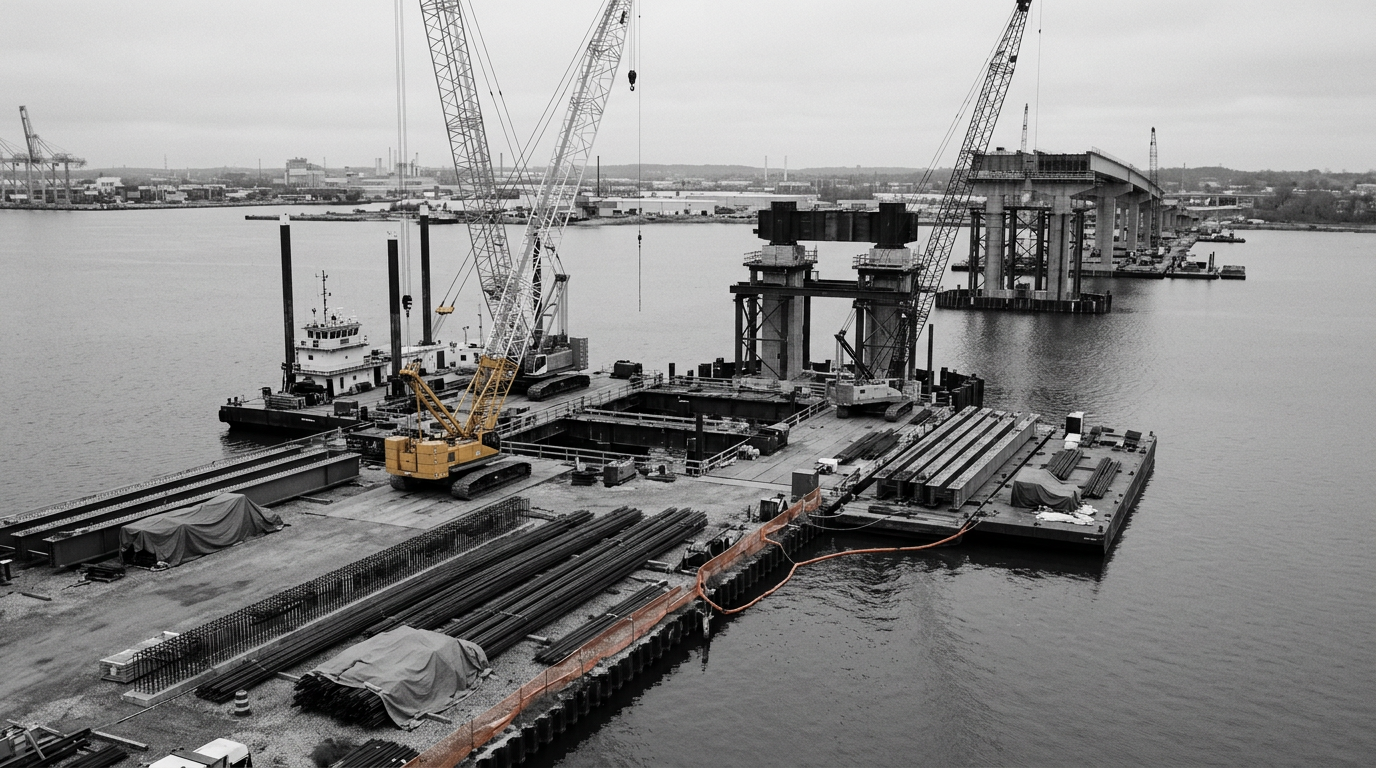
Maryland officials on Tuesday, April 28, 2026, canceled a major construction contract tied to rebuilding the Francis Scott Key Bridge in Baltimore, Maryland, after cost talks with Kiewit Infrastructure Co. broke down.
State leaders said the decision followed proposals for the project’s second phase that came in well above Maryland’s independent cost estimates, prompting the state to remove Kiewit from that portion of the work and seek a new contractor.
Kiewit removed from Phase 2 after negotiations fail
Officials said the cancellation came after negotiations over Kiewit’s proposed pricing for Phase 2 did not produce an agreement. Phase 2 was described as covering the final design, pile driving, and construction of roadway approaches.
U.S. Transportation Secretary Sean Duffy said Kiewit’s proposals “far exceeded” independent state estimates. He also said the federal government would play a role in ensuring aggressive oversight of project costs.
Cost estimate rises as Maryland returns to the market
With the contract canceled, Maryland must re-enter the market to find a replacement contractor, a step officials said will affect the project timeline. The change also raises the project’s estimated cost from about $1.8 billion to more than $5.2 billion.
Maryland Transportation Secretary Katie Thompson said the state took the step to protect taxpayers while keeping the project focused on safety, speed, and cost efficiency.
Officials defend pace claims while resetting the rebuild plan
The contract reversal also lands amid public messaging from Governor Wes Moore, who has described the effort as the nation’s fastest-moving large infrastructure project. Officials said the pricing dispute and the need to replace the contractor complicate that claim by introducing a new procurement step.
Moore said Maryland remains committed to rebuilding the bridge safely, quickly, and cost-efficiently. He said the contractor’s proposed price and timeline were “unreasonably high” and could not be accepted based on the state’s independent cost assessments.
What remains uncertain
Officials did not provide a new completion date or a detailed schedule for selecting a replacement contractor. It also remains unclear how quickly Maryland can secure bids that align with its cost expectations while meeting the project’s safety and speed priorities.
For now, the state’s next steps center on restarting the contracting process for Phase 2 while federal officials continue to emphasize oversight of spending tied to the rebuild.