Kenya Restricts Foreign Small Businesses Amid Local Concerns
Kenya's President William Ruto has ordered a nationwide crackdown on foreign-owned small businesses to protect local traders, with new legislation pending.
Lauren Collins ·
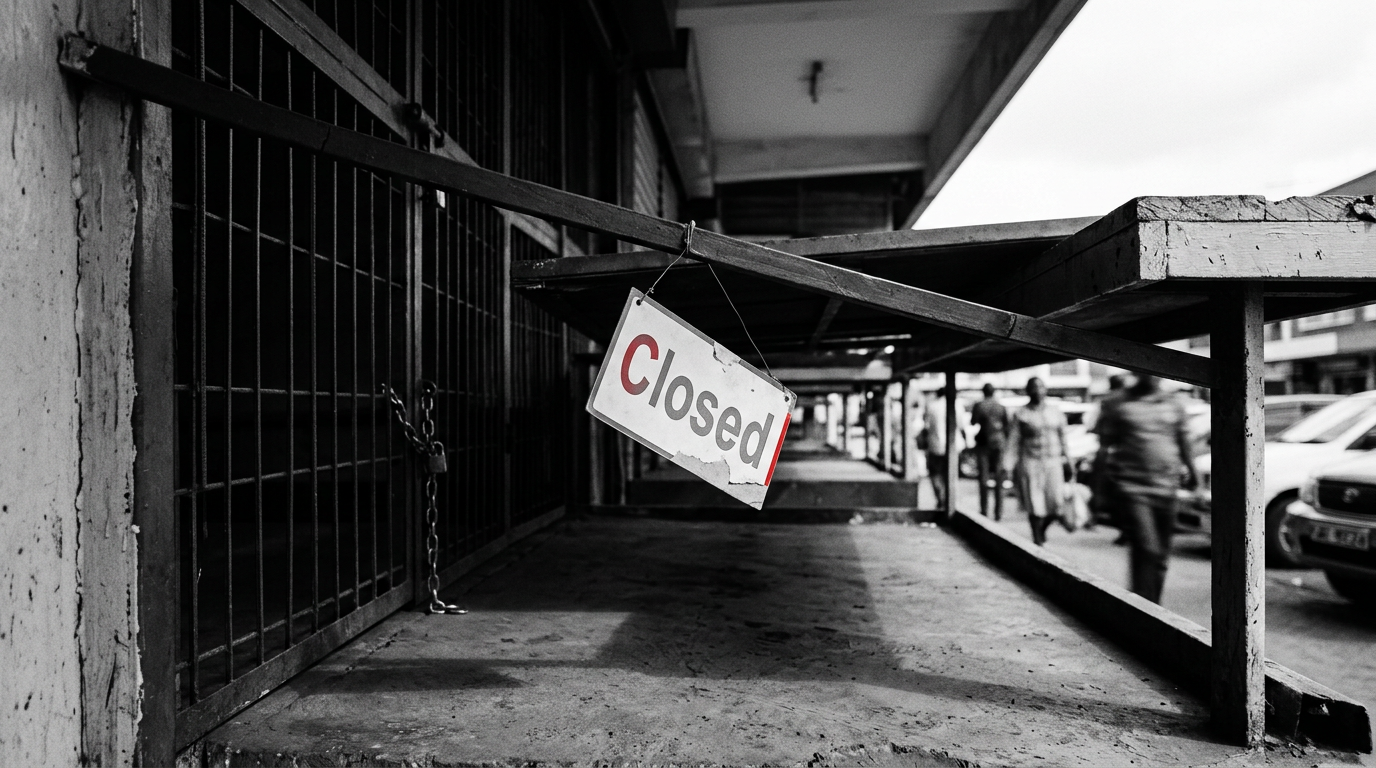
Kenyan President William Ruto has initiated a nationwide directive to curb the operations of small-scale businesses owned by foreign nationals, commencing next week. The order, issued on Wednesday, is primarily aimed at safeguarding local traders and follows growing domestic pressure concerning competition within the informal economy.
The presidential decree targets all foreign-owned informal enterprises, mandating their cessation of operations. This move precedes anticipated legislation designed to restrict specific trade sectors exclusively to Kenyan citizens. Officials have clarified that while Kenya continues to welcome foreign investment, such capital should concentrate on large-scale job creation and industrial output, rather than competing with local hawkers in retail.
Policy Shift and Enforcement
This policy adjustment reflects an ongoing debate over the economic integration of migrant populations. Migrants from various East African Community nations and other regions frequently engage in sectors ranging from street vending to construction, particularly in urban centers like Nairobi. The government's stance underscores a shift towards prioritizing local participation in these segments of the economy.
Enforcement of this new policy will involve a transition from existing regulatory frameworks to more stringent permit requirements. This regulatory tightening is expected to significantly affect many of the 857,000 registered refugees and asylum seekers residing in Kenya. Data from June indicates that approximately 14 percent of this population lives in urban areas, where small-scale trade is often a primary livelihood.
Broader Regional Implications
The administration plans to finalize legislative measures over the coming months, which will establish formal barriers to entry for foreign small-scale traders. This initiative resonates with wider regional discussions across East Africa regarding labor market protectionism and the economic inclusion of migrant communities. Such debates have intensified following instances of tension between local and foreign populations, especially in Nairobi's informal sectors.
The crackdown on foreign-owned small businesses is anticipated to fuel continued discussion both within Kenya and throughout the broader East African region. As legislative changes are implemented, their effects on both local entrepreneurs and migrant communities are expected to become more apparent, shaping future economic and social dynamics in the area. This development highlights the ongoing challenge for nations balancing economic openness with domestic employment protection.