Kennedy Center Teeters on Brink of Collapse Amid Leadership Meltdown
The Kennedy Center faces imminent bankruptcy and closure, with leadership claiming fiscal recovery is contingent upon restoring Donald Trump's name to the…
Sophie McAlister ·
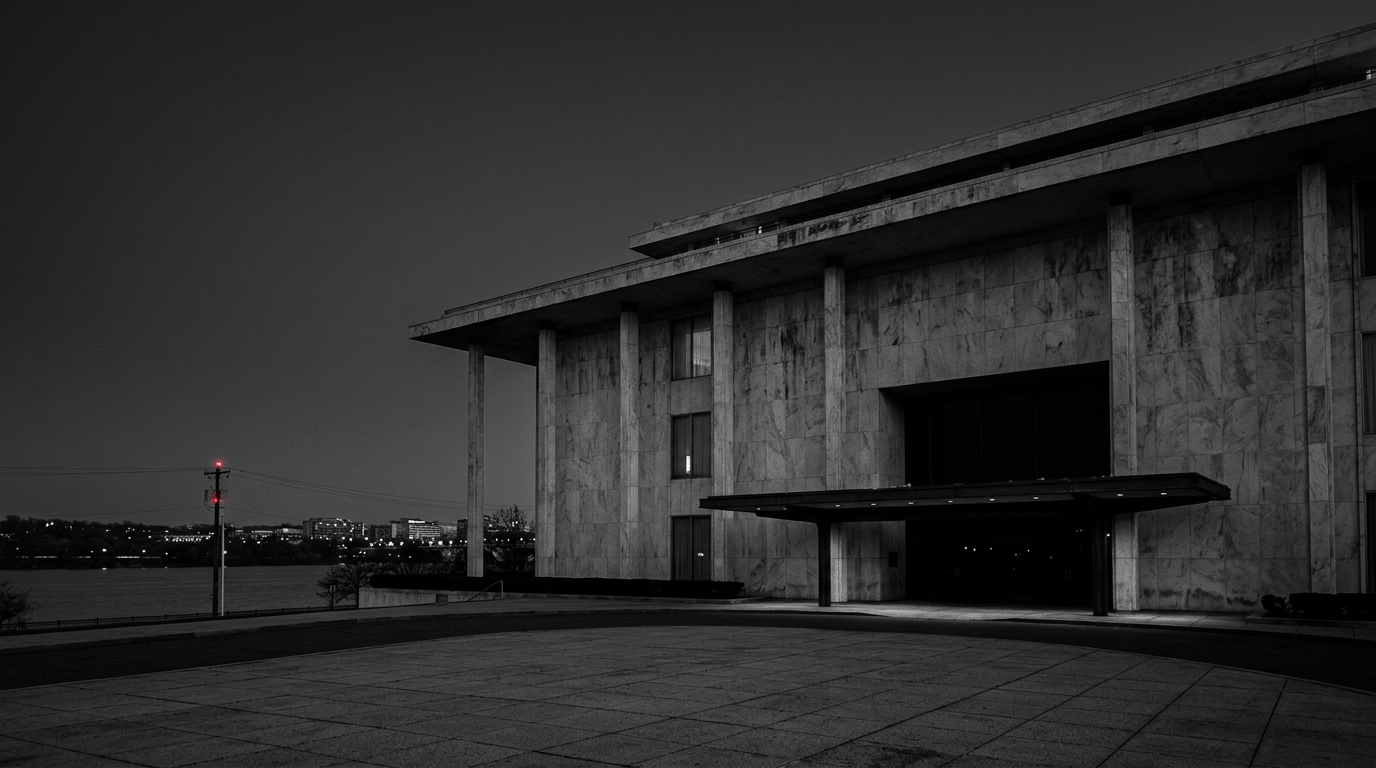
The John F. Kennedy Center for the Performing Arts faces potential bankruptcy and immediate closure due to severe liquidity constraints. Internal reports indicate the institution lacks sufficient capital to meet payroll obligations or address critical maintenance backlogs, which have already resulted in structural failures.
Leadership has linked the institution's fiscal viability to the restoration of Donald Trump’s name on the building’s facade. Trustees claim that private funding pledges remain contingent upon this branding, despite a prior judicial ruling declaring the name's placement illegal.
Governance and Operational Challenges
The current board, installed in 2025, has faced significant operational challenges, including a 36% decline in subscription revenue and the resignation of multiple high-profile board members. Management attributes the financial deficit to historical mismanagement, while critics point to the political restructuring of the board as the primary driver of institutional instability.
Legal proceedings regarding the building's signage and the institution's governance remain ongoing. The board has committed to delaying further branding actions until at least October 8, pending further judicial review.
Broader Impact and Institutional Risk
The impending judicial review is likely to trigger a critical inflection point for the institution, potentially forcing either an emergency federal intervention or a complete operational restructuring of the national cultural landmark. If donor hesitation persists amidst political governance disputes, a financial collapse could ripple across the broader performing arts economy, depressing regional tourism revenue and undermining confidence in public-private philanthropic models. This crisis reflects a growing pattern where major civic institutions become battlegrounds for political polarization, ultimately eroding public trust and core audience engagement. The primary risk remains a prolonged legal stalemate over naming rights, which threatens to delay urgent capital injections while critical facilities continue to degrade. Conversely, a mediated governance settlement could provide a path toward restoring non-partisan philanthropic alliances and securing long-term solvency. Ultimately, the institution's survival will depend on whether key stakeholders can successfully insulate essential operational funding from ideological disputes before capital reserves are entirely depleted.