Colonial-era smallpox victims left no trace in the archaeological record
Colonial smallpox death estimates reach 3 to 4 million, but researchers report no confirmed mass graves, deepening gaps between records and archaeology.
Atlas Newsdesk ·
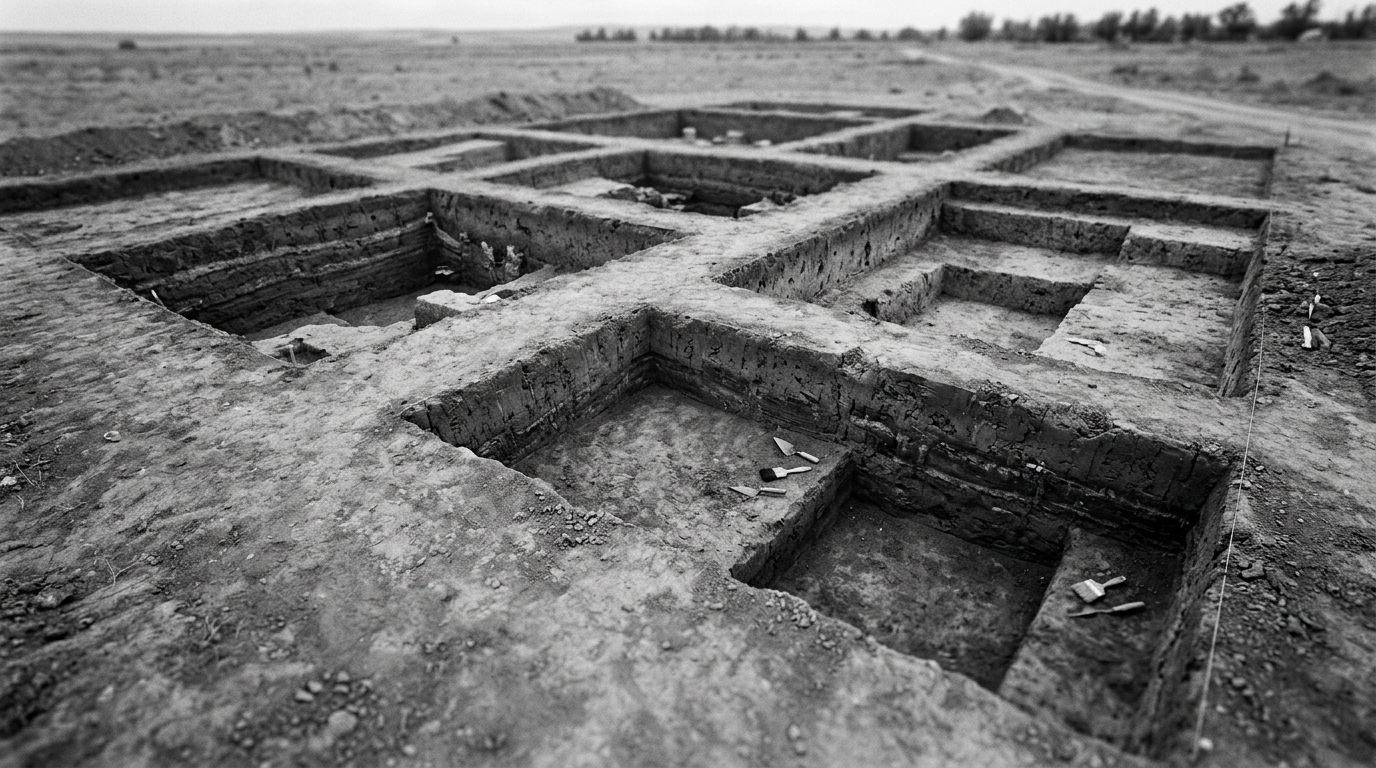
New research is drawing attention to a gap between written colonial-era accounts of Indigenous mass mortality during smallpox outbreaks and what archaeology has been able to verify on the ground. While historical narratives include estimates of 3 to 4 million deaths , researchers said they have not identified mass graves or skeletal collections that can be definitively tied to those epidemics.
The finding does not dispute that introduced infectious disease had sweeping consequences. Instead, it underscores that the physical traces typically expected from mortality on that scale have not been clearly documented in ways that connect specific colonial outbreaks to identifiable burial patterns.
Why archaeology has not matched written accounts
Researchers said the absence of confirmed mass burials and diagnostic skeletal evidence complicates efforts to measure how disease reshaped Indigenous communities’ demography and social organization during the colonial period. Without clear physical markers, it becomes harder to connect particular outbreaks to particular places and times in the material record.
The study points to several possible reasons for the mismatch. One is that relevant burial sites may exist but remain undiscovered, unexcavated, or otherwise outside the scope of what has been systematically documented to date.
Burial practices and visibility in the material record
Another explanation raised in the research is that imposed Euro-Christian burial practices may have altered or obscured traditional mortuary customs. If burial methods changed under colonial pressure, the resulting archaeological signatures may differ from what investigators expect when looking for epidemic-scale death events.
The research also suggests that the physical record alone may not capture the full pathway of impact. Researchers emphasized that beyond biological exposure, colonial social disruption likely increased vulnerability to disease, shaping outcomes through changes to daily life, community stability, and access to support systems.
How future work may close the evidence gap
To reconcile colonial written narratives with limited archaeological confirmation, the study calls for expanded investigation using additional lines of evidence. Researchers said future work should include ancient DNA approaches, which may help detect pathogens or population-level changes not visible through burial layout or skeletal preservation alone.
The study also recommends broader use of ethnohistoric records to better understand how Indigenous burial practices, colonial interventions, and local conditions may have influenced what was left behind in the archaeological record. Researchers said integrating these sources could help clarify whether the lack of physical evidence reflects preservation and discovery limits, shifts in mortuary practice, or gaps in how past investigations have framed the search.