Night of the Living Dead's Enduring Pop Culture Impact
George A. Romero's 1968 film "Night of the Living Dead" continues to shape pop culture with its iconic zombie premise, influencing horror narratives and…
Ayla Demirhan ·
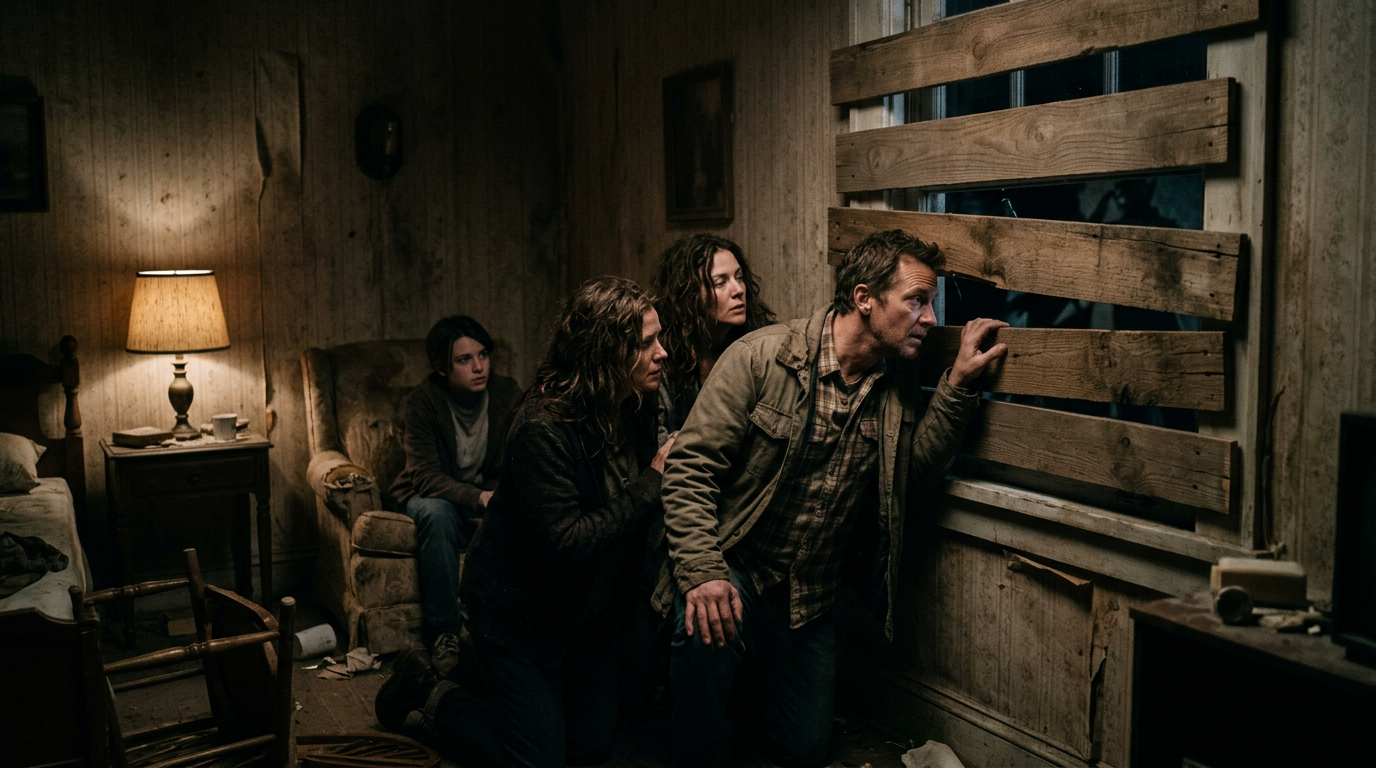
George A. Romero's 1968 horror classic, "Night of the Living Dead," maintains a significant presence in popular culture, nearly six decades after its initial release. The film's core premise, featuring the recently deceased returning to life to attack the living, has become a widely recognized narrative trope.
Zombie Trope Origins
The movie centers on a small group of individuals trapped in an abandoned house, fending off slow-moving attackers. This foundational scenario established many conventions of the zombie genre, which continue to influence subsequent films, television series, and literature.
Cultural Legacy and Influence
Living Dead The film's legacy extends beyond its narrative, shaping how audiences perceive and engage with horror. Its low-budget, independent production also demonstrated a viable model for filmmakers outside the studio system, influencing generations of independent cinema. Halloween Season Relevance
As Halloween approaches, "Night of the Living Dead" frequently reappears in seasonal programming and discussions. Its enduring appeal during this period highlights its status as a quintessential horror experience, often revisited for its atmospheric tension and social commentary. Genre Evolution and Future The film's influence continues to evolve, with modern interpretations often accelerating the zombie threat or introducing new survival dynamics. Despite these changes, the original's stark portrayal of human desperation and societal breakdown remains a benchmark for the genre.