UK Legume Sales Jump Amid Consumer Value Shift
United Kingdom saw legume sales climb 7.3% in H1 2026, driven by affordability and health, signaling a shift from meat products.
Lauren Collins ·
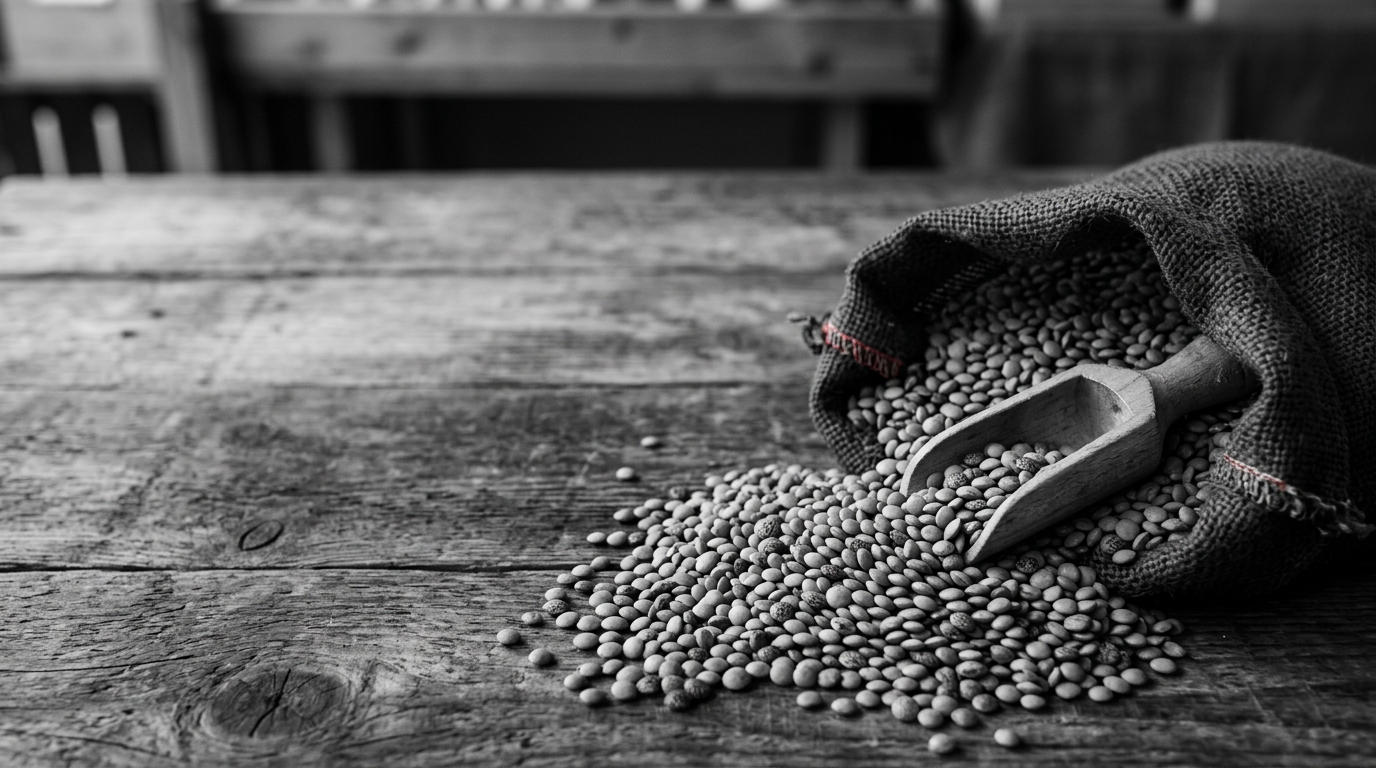
Sales of legumes, including beans, lentils, and soya derivatives, rose by 7.3 percent in the United Kingdom during the first half of 2026, compared to the same period the previous year. This shift in consumer purchasing habits was highlighted by the climate advocacy group Madre Brava, which analyzed data from NielsenIQ. The trend indicates a broader move away from both conventional meat items and highly processed plant-based alternatives within the market.
A significant 23 percent increase in demand for dried lentils primarily drove this overall growth. Additionally, premium canned and jarred legume sales experienced a substantial 30.3 percent boost. Conversely, the market observed a 4.3 percent reduction in sales of processed meat alternatives and an 1.8 percent decrease in traditional meat consumption over the year, according to Madre Brava's assessment of Euromonitor International data.
Drivers of Dietary Change
Market analysts attribute these changes to a growing price disparity between animal proteins and more economical legumes. This cost difference is exacerbated by ongoing food inflation and a heightened consumer focus on nutritional value, factors prominently featured in the Madre Brava report. The report underscores that consumers are increasingly seeking cost-effective, high-fiber protein sources.
This dietary transformation is actively supported by the "Bang in Some Beans" campaign, an initiative aimed at doubling national bean consumption by 2028. The campaign involves partnerships with retailers and culinary promotion, featuring prominent figures such as celebrity chefs Jamie Oliver and Hugh Fearnley-Whittingstall, with backing from various supermarkets.
Retailer Strategies and Expansion
Chloe MacKean, Food Business Transformation Manager at the Food Foundation, emphasized the comprehensive benefits of beans, citing advantages for health, environmental sustainability, and affordability. Major retailers, including Lidl GB and Marks & Spencer, are actively expanding their plant-based product lines to cater to evolving consumer preferences.
Lidl, for instance, has set a 2025 target to increase the proportion of plant-based products within its protein sales as part of its wider sustainability objectives. The strategic introduction of new plant-based items by Lidl, such as flavored tofu, has contributed to a remarkable 694 percent surge in all plant-based food sales within its stores compared to 2020 levels. This expansion reflects a broader industry movement towards plant-centric offerings.
The continued emphasis on affordability and nutritional benefits, against a backdrop of persistent food inflation, points towards a lasting transformation in UK dietary habits and retail product assortments. The legume sector is widely expected to maintain its growth trajectory as consumers prioritize more economical and healthy protein options.