Harvard Title VI lawsuit dismissed by federal judge
Harvard Title VI lawsuit was dismissed Thursday after a federal judge said DOJ evidence did not show systemic violations; appeal plans remain unclear.
Atlas Newsdesk ·
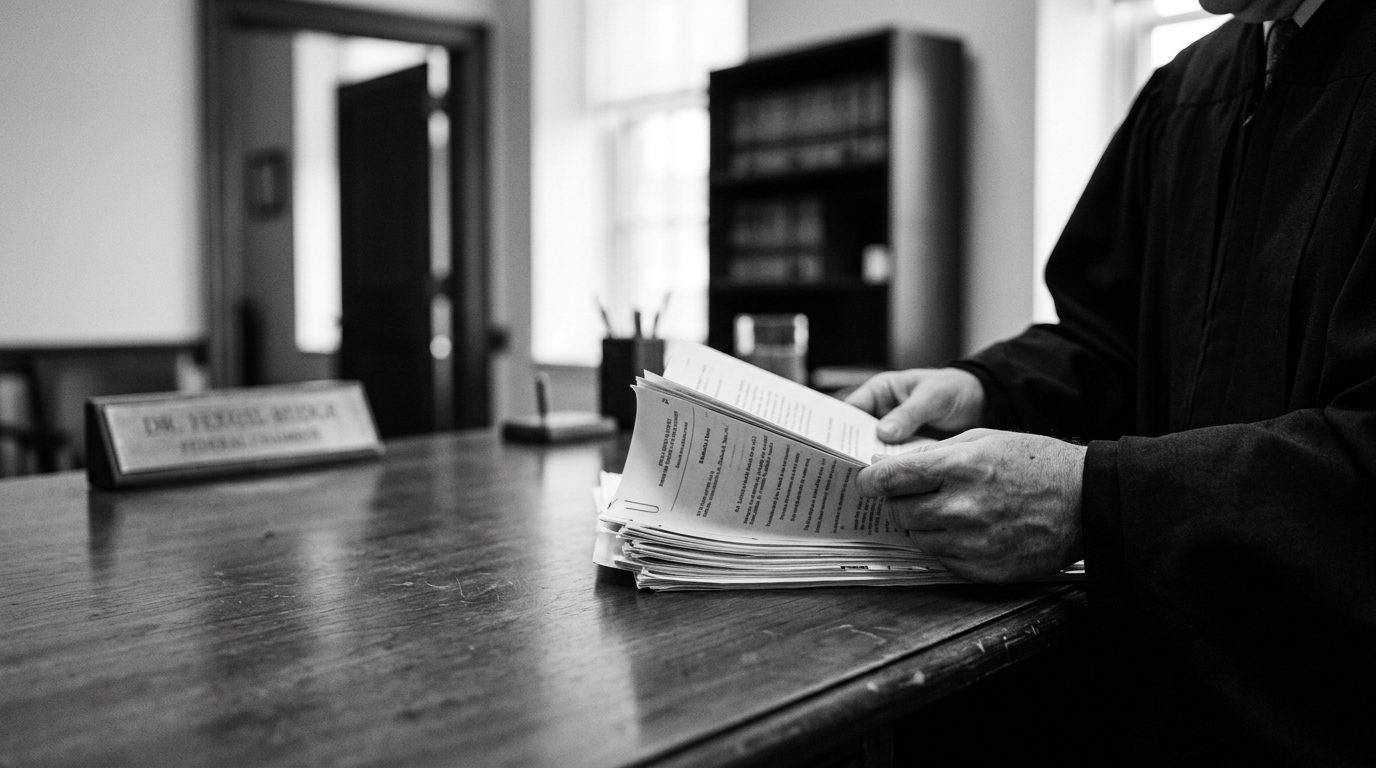
A federal judge in Massachusetts on Thursday dismissed a Trump administration lawsuit accusing Harvard University of failing to protect Jewish students from discrimination, bringing the case to a close at the trial-court level unless an appeal is filed.
U.S. District Judge Richard Stearns ruled that the Department of Justice did not put forward sufficient evidence to establish systemic civil rights violations at the university. In the decision, Stearns characterized the incidents cited by the government as isolated and episodic rather than part of a broader pattern.
Judge Stearns rejects the government’s theory of widespread violations The case was filed in March and asserted that Harvard violated Title VI of the Civil Rights Act of 1964, which bars discrimination in federally funded education programs. The administration argued the university ignored antisemitism tied to pro-Palestinian protests on campus.
By dismissing the suit and rejecting the government’s core argument of campus-wide violations, Stearns effectively ended the litigation in the district court. Officials have not indicated whether they plan to appeal, leaving the next procedural step uncertain.
Funding leverage and the broader dispute over campus protests The lawsuit was part of a wider administration effort to use federal funding to influence how universities set policies connected to campus speech and protest activity. In Harvard’s case, the administration had previously sought to withhold $2.2 billion in federal research funding from the university.
Harvard University
A federal court had already found that funding-withholding attempt unlawful. Thursday’s dismissal adds another setback for the administration’s use of litigation and funding tools to press universities to change how they address demonstrations and related conduct.
Harvard’s approach contrasts with settlements at other schools
According to the case record described in the ruling and related statements referenced in the source material, Harvard resisted the administration’s pressure rather than seeking a negotiated end to the dispute.
The university’s endowment exceeds $56 billion, a factor noted in the source material as relevant to how it may manage legal and policy conflicts. Other institutions, including Columbia and Cornell, chose a different path by entering financial settlements instead of continuing similar conflicts, though the source material does not provide settlement terms.
Academic criticism and unanswered questions after the dismissal
Some critics, including the American Association of University Professors, have argued that the administration’s use of civil rights statutes in this context threatens academic freedom and targets pro-Palestinian advocacy. The lawsuit itself centered on allegations of antisemitic discrimination and Harvard’s obligations under Title VI.
With the case dismissed, the immediate unresolved issue is whether the administration will seek appellate review of Stearns’ decision. Until officials clarify their next move, the dispute’s next phase remains undefined.