Judge Affirms Congressional Press Credential Authority
A federal judge upheld Congress's authority to set press credential rules on March 11, 2026, impacting independent media access.
Lauren Collins ·
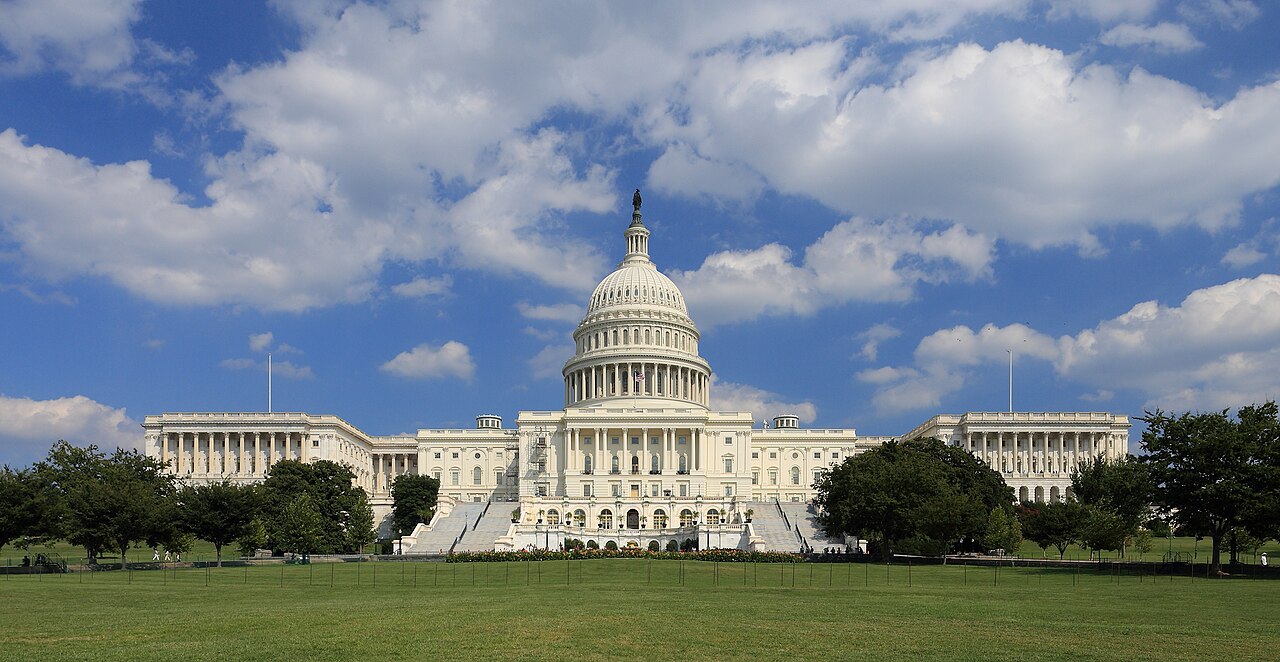
A federal court in Washington D.C. recently upheld the U.S. Congress's prerogative to establish its own press credentialing standards. On Tuesday, March 11, 2026, U.S. District Judge Richard Young rejected a motion for a temporary restraining order filed by conservative media personalities who sought access to congressional proceedings. This judicial decision reinforces the existing framework governing media access to the Capitol.
Judge Young's ruling affirmed that congressional lawmakers possess extensive authority to regulate entry to their facilities. This includes setting specific criteria for press credentials, which directly affects independent journalists and podcasters seeking to cover legislative activities. The court emphasized Congress's broad discretion in managing security and maintaining decorum within its premises.
The plaintiffs, a group of independent journalists and podcasters, had contended that denying them credentials infringed upon their First Amendment rights and due process protections. They argued for broader access to congressional events and facilities, asserting their role in news dissemination. However, the court's determination prioritized Congress's institutional autonomy in managing its operational environment.
Congressional Credentialing Process
The current system for media accreditation is overseen by the House and Senate press galleries. These bodies mandate that applicants primarily engage in news reporting and are not involved in lobbying or advocacy. The court's decision effectively maintains these established requirements, ensuring that the credentialing process remains under congressional control.
This outcome has implications for the immediate expansion of press credentials to a more diverse range of digital and independent media organizations. It suggests that the existing criteria will continue to govern who gains access to the U.S. Capitol for journalistic purposes. The ruling could also serve as a precedent for future legal challenges concerning media access policies across different governmental branches.
Historical Context of Press Access
The relationship between the press and legislative bodies in the United States has a long history, often balancing transparency with operational security. Congressional press galleries were established to provide a structured environment for journalists, evolving over time to accommodate various media formats.
The current rules reflect a continuous effort to define who qualifies as legitimate press for access purposes, particularly as the media landscape diversifies with the rise of digital platforms and independent content creators.
This judicial affirmation underscores the judiciary's deference to legislative bodies in matters of internal governance. It highlights the ongoing tension between the public's right to information, as facilitated by the press, and the institutional need for order and security within government operations. The decision solidifies the current gatekeeping role of the congressional press galleries.
Implications
Country Impact: The ruling reinforces the existing framework for media access to the U.S. Capitol, potentially limiting the immediate expansion of press credentials to a wider array of digital and independent media outlets across the nation. This could influence future challenges to press access policies across various government branches.
Industry Impact: Independent journalists and podcasters may face continued challenges in obtaining official press credentials for congressional coverage, impacting their ability to report directly from legislative proceedings. Traditional media outlets, which generally meet the established criteria, are less affected.
Market Impact: The decision has no direct financial market implications. However, it indirectly affects the media market by influencing the competitive landscape for news dissemination from the U.S. Congress, potentially favoring established news organizations.