Trump Pushes 'Save America Act' Amid Senate Hurdles
Donald Trump is pressing for a Senate vote on the 'Save America Act,' aiming to overhaul U.S. election processes despite insufficient support.
Lauren Collins ·
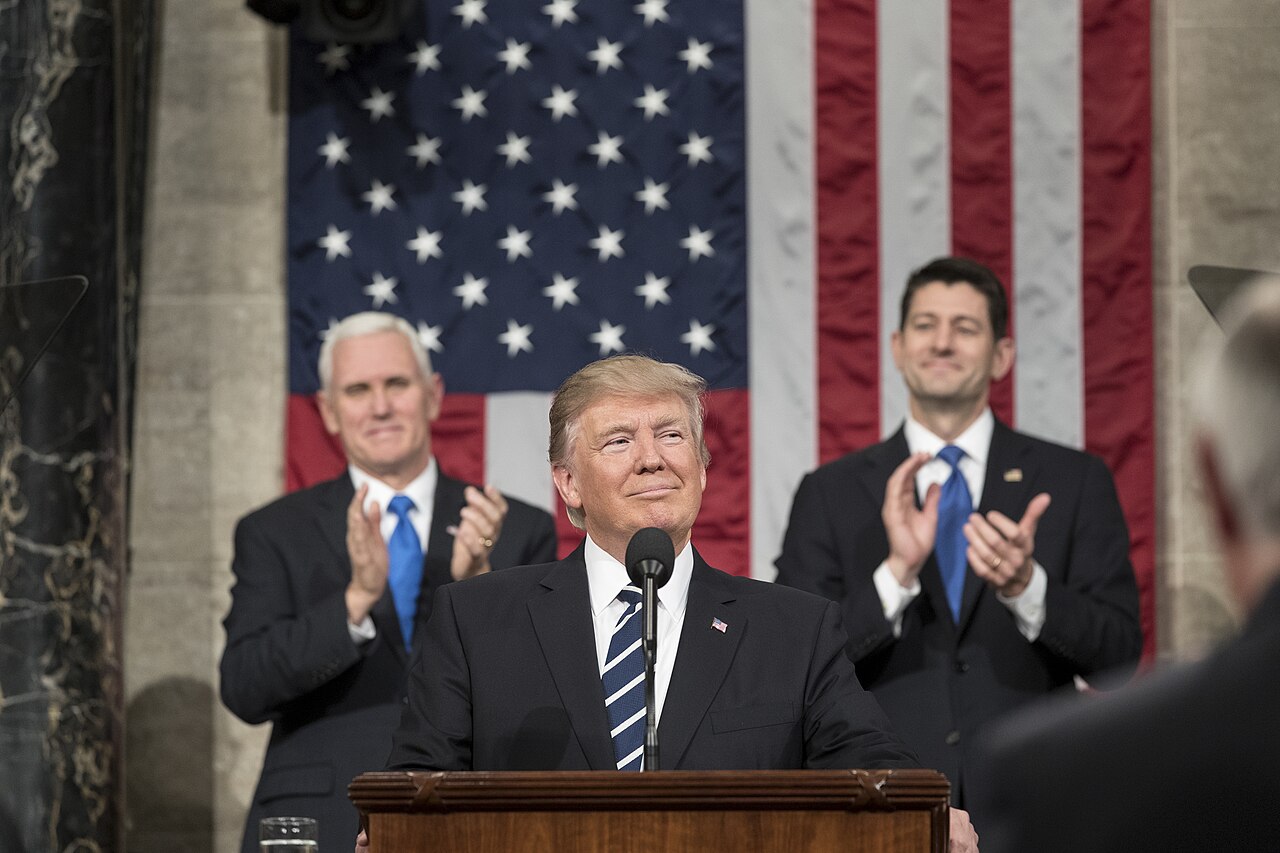
Former President Donald Trump is exerting pressure on Republican Senate Majority Leader John Thune to bring the "Save America Act" to a vote. This proposed legislation seeks to significantly alter U.S. election procedures, despite facing considerable opposition and an acknowledged lack of sufficient support within the Senate to pass.
Trump publicly declared on March 11, 2026, that he would refuse to sign any other legislative measures until this specific bill is presented for his approval. The House of Representatives has already passed its version of the act, but its progression in the Senate is hampered by the 60-vote threshold required to overcome a filibuster.
Legislative Obstacles and Filibuster Debate
Senator Thune has confirmed plans to schedule a vote on the bill for the upcoming week, while simultaneously acknowledging its probable failure due to the inability to bypass a filibuster. He also dismissed the practicality of employing a "talking filibuster" as a strategy to force the bill through.
Trump's demands extend beyond the House-approved text, incorporating additional provisions. These include a nationwide prohibition on mail-in voting, a ban on gender-affirming surgeries for minors, and restrictions on transgender women participating in women's sports. These specific additions have encountered resistance even from some members within the Republican party.
Proposed Electoral Reforms and Criticisms
The core of the "Save America Act" focuses on several key electoral reforms. It mandates documented proof of U.S. citizenship for voter registration and requires photo identification for casting ballots. Furthermore, the bill proposes increased federal oversight of state voter rolls, aiming to enhance election integrity.
Conversely, voting rights organizations have voiced strong concerns regarding these proposed changes. They argue that such measures could potentially disenfranchise millions of American citizens, particularly those who may lack readily available or updated identification documents, thereby impacting voter access.
Political Ramifications and Midterm Influence
The ongoing debate surrounding this legislation is significantly influencing the political landscape, particularly in the context of upcoming midterm elections. The contentious nature of the bill and its associated demands are shaping political discourse and strategy.
Some Republican senators, including John Cornyn, have reportedly adjusted their positions on the filibuster rule, indicating a willingness to support the advancement of the "Save America Act." This shift highlights the internal party dynamics and the broader political implications of the bill's push.
Implications
Country Impact: The legislative push could intensify political polarization within the United States, particularly concerning election integrity and social issues. It may also lead to legal challenges regarding voting rights and federal versus state authority over elections.
Industry Impact: The debate could impact industries related to election technology and voter identification, potentially creating new demands or regulatory hurdles. Advocacy groups focused on civil liberties and voting rights may see increased activity and funding.
Market Impact: While direct market impact is limited, prolonged political gridlock or significant changes to election laws could introduce uncertainty, potentially affecting investor confidence in the stability of U.S. governance and policy predictability.