Jordan Convenes Arab Envoys Over Al-Aqsa Threat
Jordan called an emergency Arab and Islamic ministers meeting on al-Aqsa on 5 August 2026, citing an “imminent” control threat.
Mateo Fernandez ·
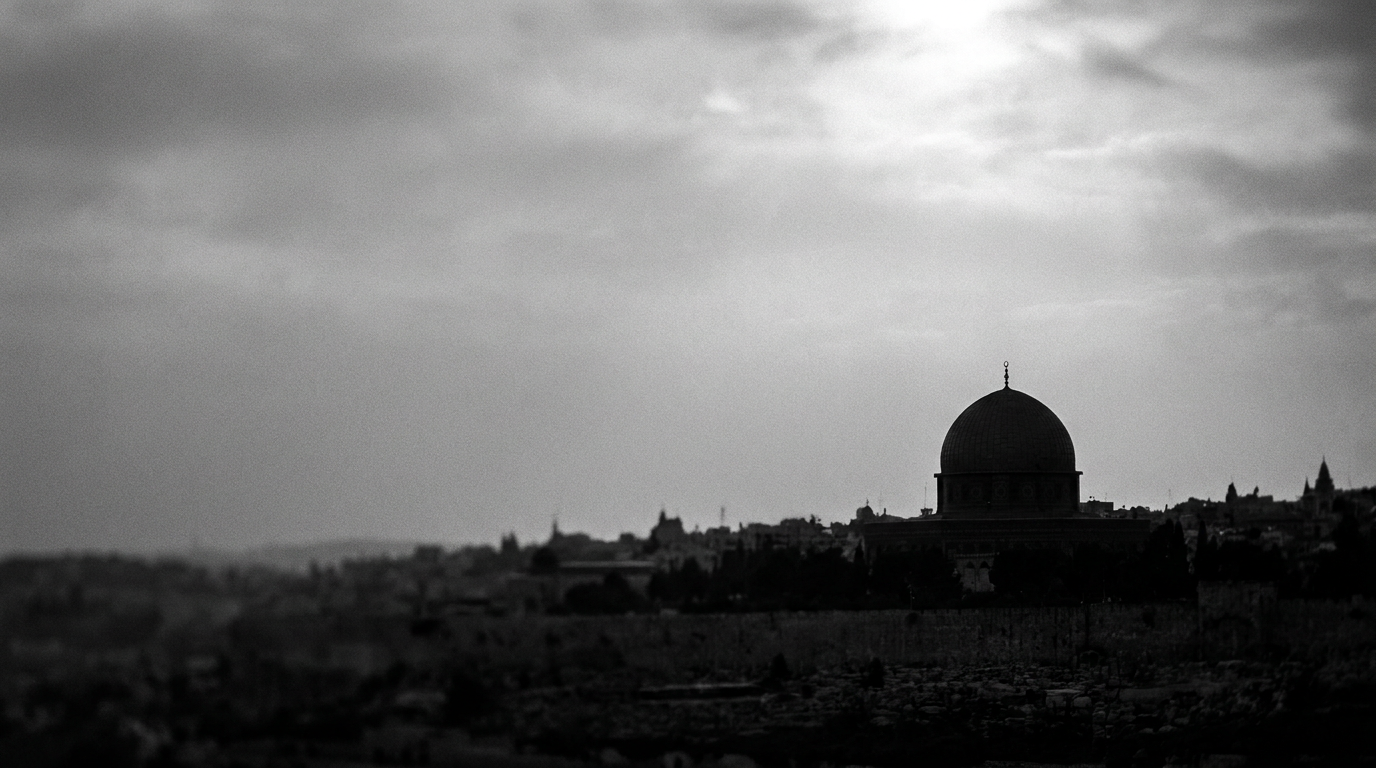
Jordan held an emergency meeting on Wednesday, 5 August 2026, bringing together foreign ministers from Arab and Islamic countries to address what officials described as an “imminent” risk that Israel could assert control over the al-Aqsa mosque and the Dome of the Rock compound in Jerusalem.
Jordanian officials said the gathering was convened in response to what they portrayed as intensifying, government-backed entries onto the compound by Jewish religious extremists. They argued these actions violate the long-standing “status quo” arrangements that Jordan says it safeguards under its Hashemite custodianship.
Hashemite custodianship and the “status quo” at the compound Officials framed the 5 August session as an effort to protect existing access and worship rules at the site. In their public statements, they described the status quo as reserving Muslim prayer at the compound and warned that any attempt to alter control could ignite wider tensions.
Jordan has for decades asserted a custodial role over the compound, with the monarchy presenting that role as an obligation to preserve agreed arrangements on access and ritual practice. Officials said the meeting’s purpose was to reinforce that position through coordinated diplomatic engagement with Arab and Islamic counterparts.
Warnings of protests and possible diplomatic steps
Jordanian officials said that if Israeli forces or settler groups attempt to change access or control at the compound, diplomats anticipate immediate mass demonstrations across the occupied Palestinian territories and in parts of the Arab world. They added that such a sequence could raise the likelihood of violent confrontations in Jerusalem.
Officials also said broader regional repercussions could follow, including formal diplomatic moves by governments such as issuing statements or summoning envoys. They repeatedly warned that a takeover scenario could “trigger a religious conflict,” using the same language in public messaging around the meeting.
What comes next after the 5 August 2026 session At the time of the meeting, reaction from other parties was described as pending. Officials said attention would focus on any formal communiqués released after the 5 August 2026 gathering and on potential statements from the Israeli government in the next 24–48 hours.
Jordanian officials indicated those near-term announcements would shape whether the issue stays within diplomatic channels or develops into broader unrest connected to one of Jerusalem’s most sensitive flashpoints.