FCC Blocks Chinese Humanoid Robots from U.S. Market Over Security Concerns
FCC bans Chinese humanoid robots and connected inverters, citing national security risks and aiming to shift supply chains toward US production.
Atlas Newsdesk ·
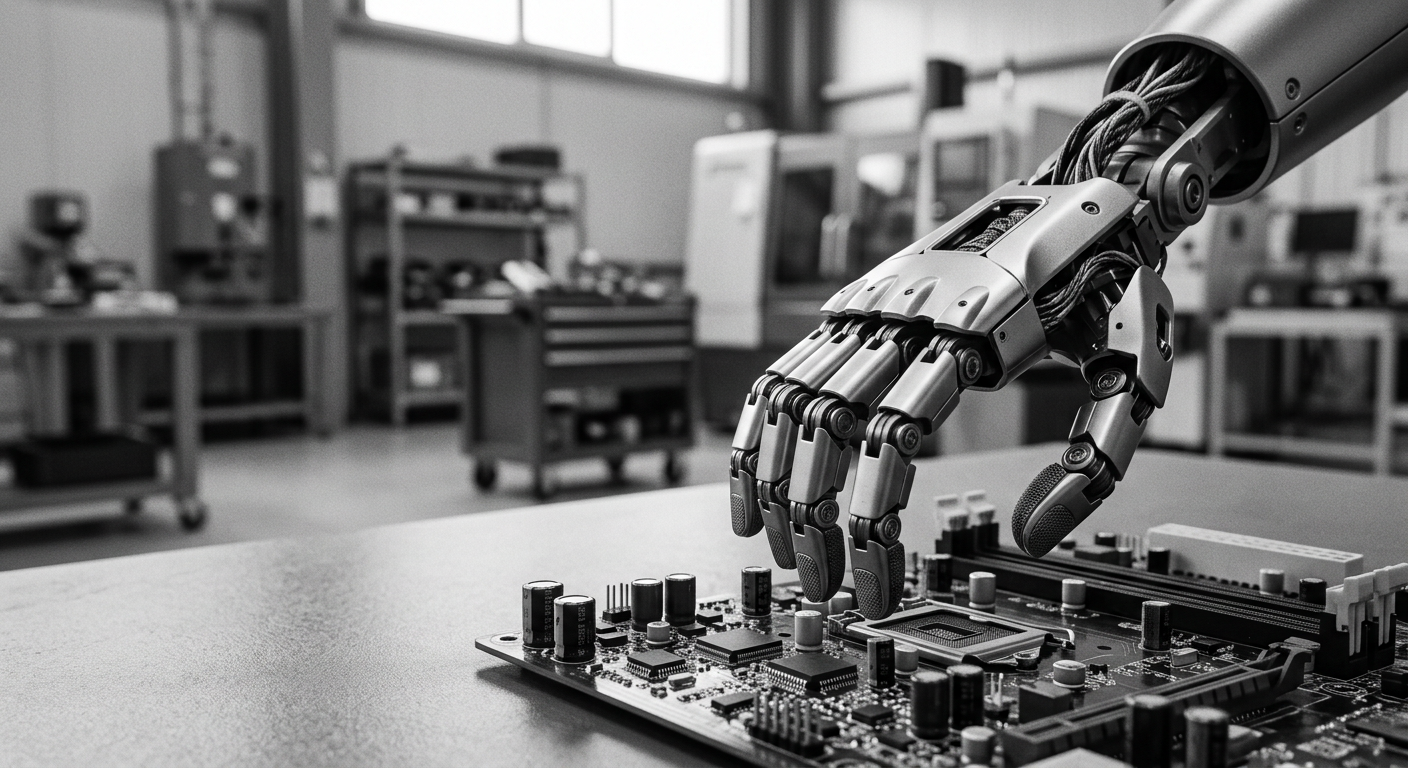
The Federal Communications Commission (FCC) said Tuesday it is moving to block the importation and sale of Chinese-manufactured humanoid robots and connected power inverters across the United States, citing what it described as serious national security risks.
Officials said the decision focuses on two categories of technology that can sit at sensitive points in the economy: advanced robotic systems that may handle data-rich tasks, and inverter hardware used in power-related infrastructure. The FCC said the concern is twofold—data surveillance and the possibility of remote control by foreign intelligence services.
How the FCC plans to enforce the restrictions
According to the announcement According to the announcement, the policy is designed to tighten market entry for new products while also creating a pathway to remove access for equipment already cleared previously. The mechanism centers on limiting authorization for new models and granting the FCC authority to revoke market access for units that had earlier been approved.
Officials framed the approach as a way to reduce exposure to technologies they say could be exploited remotely. The FCC’s action covers both the robotic devices themselves and the associated power-infrastructure components described as “connected” inverters.
Supply chain shift toward domestic manufacturing Officials said the broader is to reduce reliance on Chinese-made components and push supply chains toward domestic production. The administration presented the move as consistent with a wider effort to separate critical technology sectors from Chinese influence, with the robotics market and renewable energy infrastructure singled out as priority areas.
The Federal Communications Commission
The FCC action, as described, is intended to change procurement choices by limiting the availability of certain Chinese-manufactured products in the U.S. market. Officials said the expectation is that companies will re-route sourcing and manufacturing decisions to comply with the new restrictions.
Cost and infrastructure pressures tied to inverters
Officials said a key trade-off is likely to be higher costs, particularly for industrial and consumer robotics, as domestic production scales up. The policy is also expected to introduce supply chain volatility for datacenter power equipment, given the role inverters can play in supporting energy and power conversion needs.
The statement noted that China currently dominates the global inverter market, which officials said makes the shift to alternative suppliers immediate rather than gradual. In that context, the administration said the restriction will require rapid sourcing changes to sustain the current pace of U.S. datacenter expansion.
Looking beyond the initial disruption, officials said the measures are intended to strengthen economic security by supporting reindustrialization in emerging technology sectors over the coming fiscal years. The timeline and specific implementation steps for removing previously approved units were not detailed in the announcement.
Implications
Country Impact: The FCC’s decision changes the compliance landscape for U.S. importers, sellers, and buyers of humanoid robots and certain connected power inverters. Officials said the aim is to reduce national security exposure tied to surveillance and potential remote commandeering.
Industry Impact: Robotics and power-infrastructure supply chains are expected to shift as companies seek non-Chinese alternatives and, where possible, domestic manufacturing options. Officials also warned that costs for industrial and consumer robotics could rise as production is redirected.
Market Impact: Officials said the inverter restriction could add volatility for datacenter power equipment procurement at a time when the U.S. is expanding datacenter capacity. With China described as dominant in the global inverter market, the policy implies an immediate need for supplier substitution.