Japan's Demographic Crisis Deepens as Fertility Rate Falls
Japan's fertility rate dropped to a new record low of 1.14 in 2025, intensifying concerns over demographic challenges despite government efforts.
Jason Kwon ·
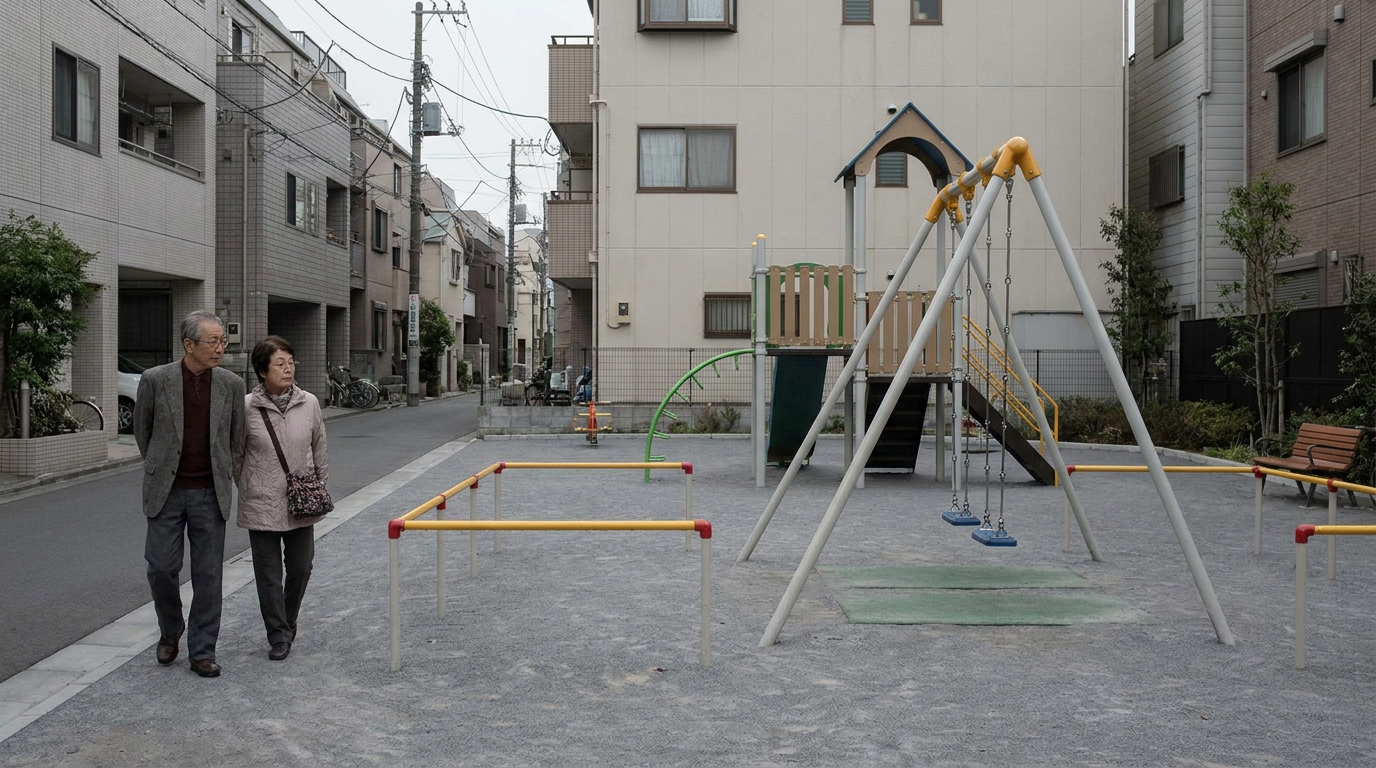
Japan's total fertility rate, measuring the average number of children per woman, declined to an unprecedented 1.14 in 2025, according to preliminary Ministry of Health data released Wednesday. This marks a further slip from 1.15 recorded the previous year and represents the lowest figure since comprehensive records began in 1947.
Tokyo recorded the nation's lowest prefectural rate at 0.96. The final authenticated data is scheduled for release in September, but the current trajectory underscores a persistent demographic challenge for the country.
Worsening Demographic Trends
The number of births in Japan decreased by 2.2% to approximately 671,000 last year. Concurrently, deaths totaled around 1.59 million, resulting in a natural population decrease of about 918,000.
This marks the 19th consecutive year of population decline due to natural causes, exclusive of migration effects. The consistent downward trend suggests that previous governmental interventions have yet to significantly alter Japan's demographic trajectory.
Policy Response and Fiscal Strain
Under former Prime Minister Fumio Kishida, the government allocated roughly ¥3.6 trillion ($22.5 billion) towards initiatives supporting children and families. These efforts included expanding child allowances and increasing subsidies for childbirth and childcare services.
Despite these considerable investments, the latest figures indicate that such measures have not halted the fertility rate's decline. The current administration, led by Prime Minister Sanae Takaichi since October, has largely focused on broader economic revitalization and national security, though pledges for household income support for younger families have been made.
Economic Implications and Future Challenges
Japan, recognized as one of the world's most rapidly aging societies, faces escalating demographic pressures. A shrinking working-age population and rising social security expenditures are placing substantial strain on public finances.
The government has earmarked ¥39.1 trillion for social welfare spending in the current fiscal year, constituting nearly one-third of the total budget. This comes as the nation also seeks to finance increased defense spending and other growth-oriented investments, highlighting a complex fiscal balancing act.