Japan retail sales extend gains in May on wages aid
Japan retail sales rose again in May, beating forecasts as wage growth and subsidies supported spending despite persistent price concerns.
Atlas Newsdesk ·
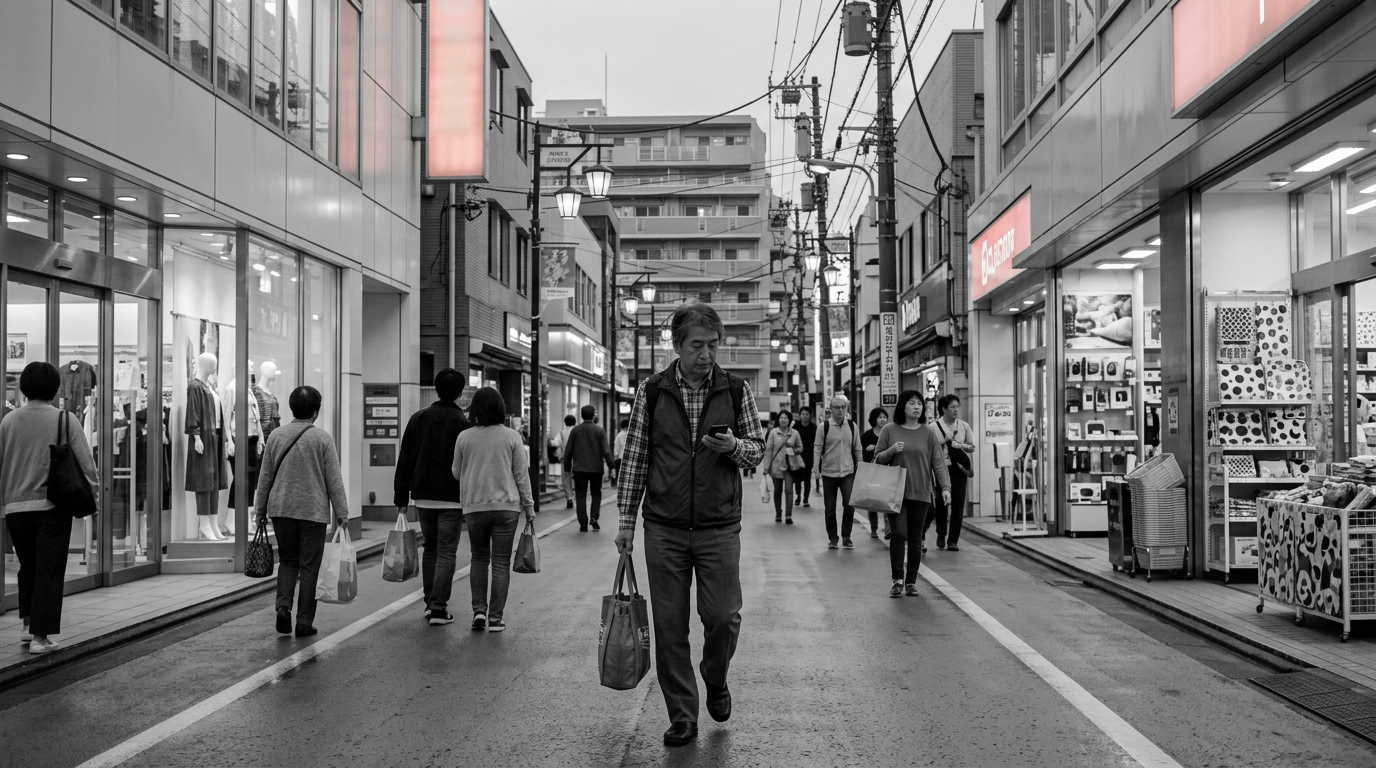
Japan retail sales logged a third consecutive monthly rise in May, outpacing economist expectations as higher pay packets and government support helped households keep spending.
The Ministry of Economy, Trade and Industry said Monday that sales increased 1.9% from the prior month, following an upward revision to April’s increase. Compared with a year earlier, sales were up 5.3%.
The year-on-year gain exceeded the 3% consensus forecast cited in a Bloomberg survey. The ministry’s figures are not adjusted for inflation, meaning part of the rise may reflect higher prices rather than higher volumes.
Wages and subsidies underpin the latest spending rise
The May data add to signs that consumer demand has remained resilient after a sustained period in which wage growth has outpaced inflation. Government subsidies aimed at cushioning cost-of-living pressures have also provided support to household budgets.
Japan’s retail performance is closely watched because private consumption accounts for a large share of economic activity. Stronger spending momentum can help offset weakness elsewhere and can influence the debate over how durable the recovery is.
Even with the improving sales trend, inflation expectations remain elevated. A Cabinet Office survey conducted in May found more than 90% of households anticipated prices would be higher a year from now.
Vehicles, appliances and pharmacies lead broad-based gains
Sales increases were reported across several categories, led by vehicles as well as home appliances. Pharmaceuticals and cosmetics also posted notable advances, indicating strength in both big-ticket and everyday purchases.
Department store revenue climbed strongly from a year earlier, according to the ministry’s breakdown. The rise likely reflects firm inbound demand, as tourism-related spending has supported retailers in major shopping districts.
A broader-based mix matters for policymakers and investors because it can indicate that consumers are not only buying necessities. It may also point to improving sentiment among households that have faced years of uneven real income growth.
Price anxiety persists as households brace for higher costs
The retail beat comes as Japanese consumers remain sensitive to the prospect of renewed price increases. Concerns have been heightened by uncertainty over energy and commodities, including worries about the longer-term price effects linked to the war in Iran.
For now, the combination of wage gains and fiscal measures appears to be stabilizing demand. However, because the sales figures are not inflation-adjusted, analysts will look for corroborating evidence from real consumption indicators and household sentiment data.
Next steps for markets will include monitoring whether the wage-driven support continues through the summer and whether subsidy programs are extended or tapered. Upcoming releases on inflation expectations, tourism flows and consumer confidence will help clarify whether Japan’s retail upturn can be sustained without further policy assistance.