Japan moves defense focus south with Kyushu missiles
Japan moves defense focus south, deploying long-range missiles to Kyushu in late March 2026 and funding a “southern shield” with a $58B budget.
Lauren Collins ·
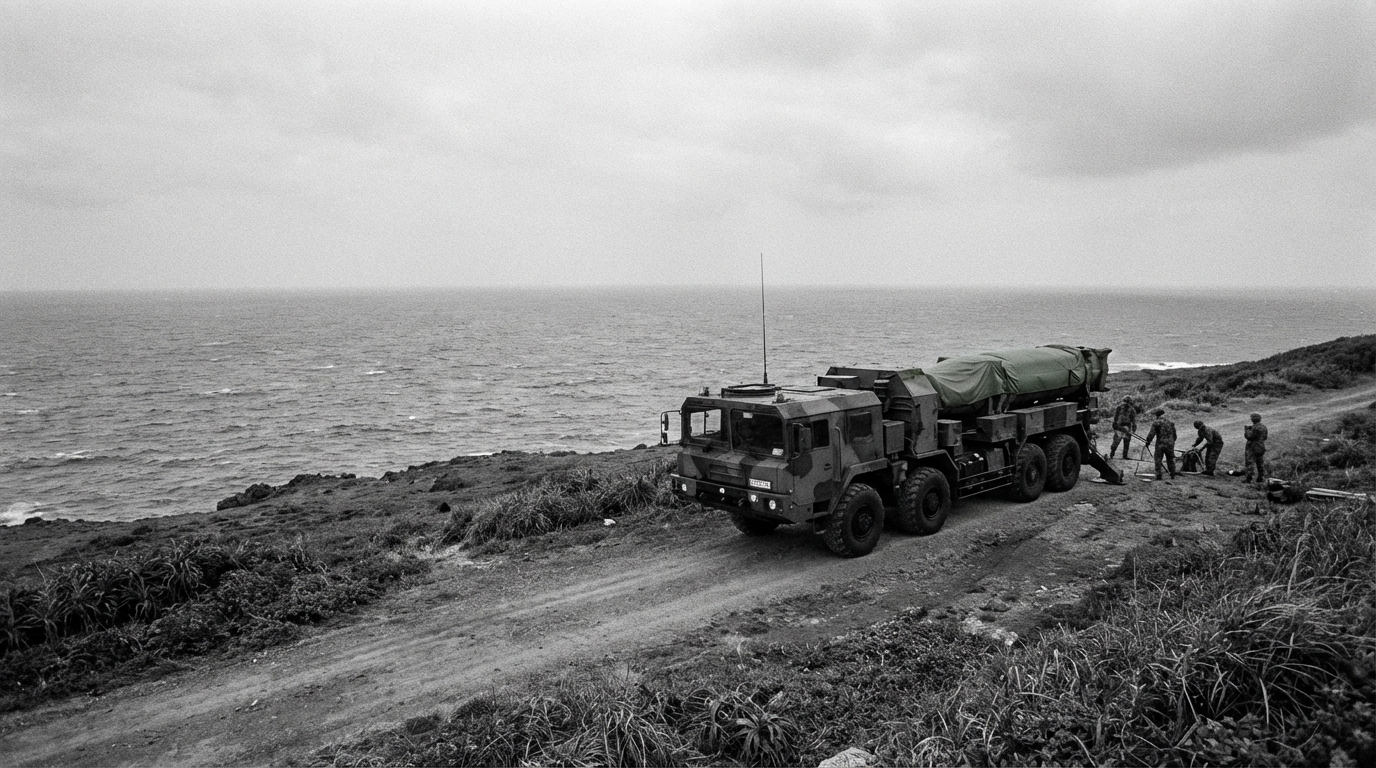
Japan has shifted its defense posture toward its southern island chain , placing long-range missiles in Kumamoto Prefecture on Kyushu in late March 2026, according to officials. The repositioning is part of a strategy described as a “southern shield,” aimed at responding to heightened Chinese military activity across the Asia Pacific. The activity cited includes areas around Taiwan and the East China Sea.
The change underscores a major evolution from Japan’s post-1947 pacifist approach. Beijing has been described as Japan’s top national security concern since 2019, officials said. The latest deployments signal that Tokyo is prioritizing deterrence and readiness in the country’s southwest, where geography places Japanese territory close to potential flashpoints.
Funding is being directed to support this shift. Japan’s fiscal year 2026 defense budget is a record $58 billion, and a substantial share is being used to strengthen forces in the Nansei (Ryukyu) Islands. Those islands sit within 100 kilometers of Taiwan, making them central to Japan’s planning and to wider regional security dynamics.
The Nansei chain is also positioned along the U.S.-led “First Island Chain,” a maritime defense concept intended to limit Chinese naval access to the Pacific. Officials said Japan’s deployments span multiple capabilities, including weapons platforms, electronic warfare tools, and air assets. Together, these are intended to form “anti-access or area-denial layers” that would make potential Chinese operations more difficult.
Alongside forward deployments, Japan is advancing what it calls “counterstrike capabilities.” Under this approach, the Japan Self-Defense Forces (JSDF) would be able to respond if Japan is attacked, reflecting an expanded interpretation of what self-defense permits. Officials said this legal framing stretches earlier constitutional readings, marking a notable policy shift even as Japan continues to describe its posture as defensive.
A key element of the counterstrike plan is procurement from the United States. Japan is acquiring 400 U.S.-made Tomahawk missiles, officials said. The combination of longer-range munitions, layered defenses, and enhanced electronic and air capabilities is intended to strengthen deterrence and improve operational options in the southwest.
For markets and governments watching the region, the developments highlight how security concerns are reshaping Japan’s defense spending and force structure. The strategy’s effectiveness, and how it is received by neighboring states, remains an open question, particularly as activity around Taiwan and in the East China Sea continues to influence regional planning.