Iran Reinstates Strait of Hormuz Restrictions After Tanker Attack
Iran restores Hormuz restrictions after April 18, 2026 tanker incident, with ships turning back as U.S.-Iran talks stall and blockade dispute grows.
Lauren Collins ·
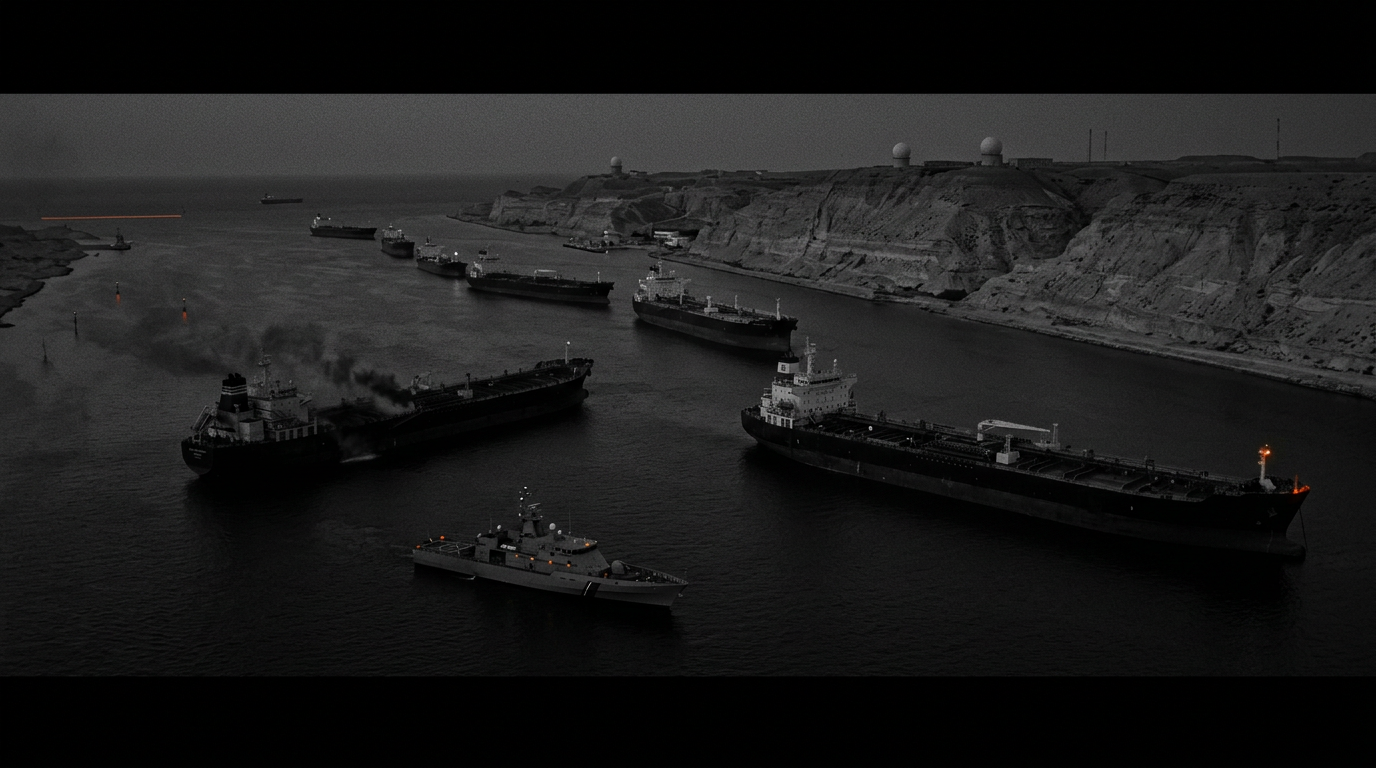
Iran reinstated restrictions on transit through the Strait of Hormuz after Iranian gunboats fired on a tanker on Saturday, April 18, 2026, shipping bodies and vessel-tracking data indicated. The incident was followed by reports that a second vessel was struck by a projectile, while other ships turned back in response to the heightened risk in the waterway.
The Iranian military said it reimposed the restrictions because of what it described as “repeated breaches of trust” by the United States. Iran’s Supreme National Security Council said it intends to keep supervision and control over passage through the strait until the end of the ongoing conflict and the establishment of lasting regional peace.
According to the council’s statement, the measures would include fees, transit certificates, and designated shipping routes. Officials said the framework is designed to disrupt supply lines to American military bases, linking the new controls directly to the broader security confrontation between Tehran and Washington.
The move followed high-level talks between the U.S. and Iran that failed to produce an agreement last weekend. After those discussions ended without a deal, the United States imposed a blockade on Iranian ports, according to the account provided in the source material.
Iran described the U.S. blockade as a “violation of the ceasefire” and said it would not reopen the Strait of Hormuz until the blockade is lifted. President Donald Trump acknowledged that negotiations were continuing, while also expressing frustration and saying the United States would not tolerate blackmail.
What it means is that shipping conditions in one of the world’s most strategically sensitive maritime corridors have become more uncertain, with immediate operational consequences for vessel routing and risk management. Reports of ships reversing course underscore how quickly security incidents can alter commercial decisions, even before any formal closure is declared.
For global markets, the Strait of Hormuz is closely watched because disruptions can affect energy transport and insurance costs, and can influence broader risk sentiment across equities, currencies, and commodities. The source material does not quantify flows or price moves, but it describes a tightening of controls and direct military contact involving commercial shipping.
Key unknowns include the extent to which the restrictions will be enforced in practice, how widely fees and certification requirements will be applied, and whether the reported projectile strike on a second vessel will be corroborated by additional official detail. The timeline for any change also remains unclear, as Iran has tied reopening to the lifting of the U.S. blockade while U.S. officials have indicated talks are still underway.