Settler Violence Shifts to Palestinian
Violence by Israeli settlers increasingly targets Palestinian Authority-administered areas in the West Bank in 2026, marking a significant strategic shift.
Atlas Newsdesk ·
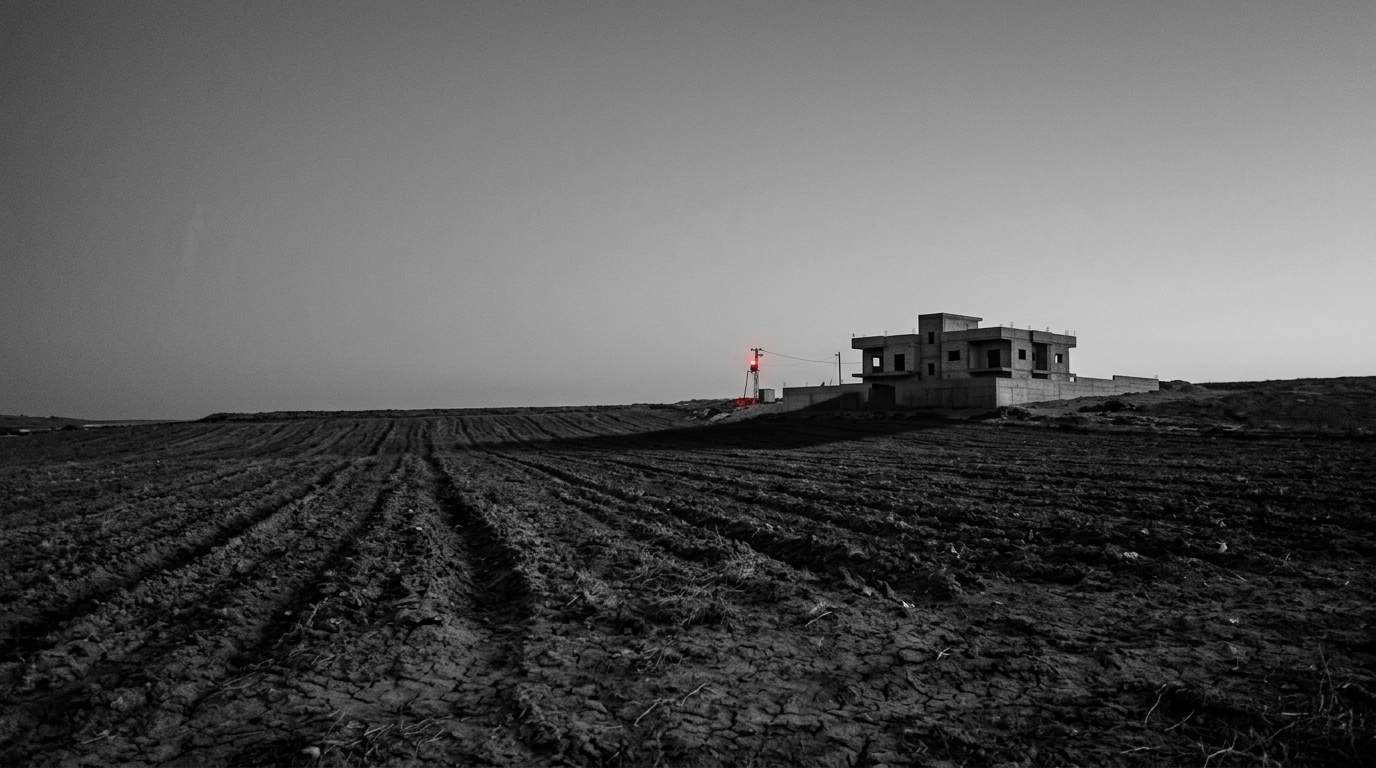
Incidents of violence perpetrated by Israeli settlers within the West Bank have increasingly targeted areas under Palestinian Authority (PA) governance throughout 2026. This development marks a significant departure from historical patterns, which predominantly saw such events concentrated in contested territories. Data compiled by the human rights organization Yesh Din reveals a notable shift, with 55 percent of all violent occurrences recorded this year transpiring in Area B. This represents a substantial increase from 25 percent in 2025.
Conversely, the same period saw a reduction in attacks within Area C, which is entirely controlled by Israel for both civil and security matters. Incidents in Area C decreased from 67 percent in 2025 to 37 percent in 2026. This evolving geographic focus of violence is reportedly linked to the stated objectives of certain settler movements. These groups aim to establish agricultural outposts within Areas A and B, which are territories designated for full Palestinian civil and security administration under the 1995 Oslo Accords.
Strategic Expansion and Territorial Goals
These outposts are believed to function as bases for exerting pressure on Palestinian communities, effectively broadening settlement activity into regions previously considered beyond the scope of Israeli settlement expansion. Reports suggest that this strategy constitutes a deliberate effort to compromise the territorial contiguity and future viability of a Palestinian state. The establishment of these outposts persists despite international condemnation and sanctions.
The escalation of violence has drawn considerable international attention. The United Nations reported an average of approximately 190 attacks per month during the initial four months of 2026. If this trend continues, the total number of incidents for the year could surpass 2,000, underscoring growing instability and humanitarian concerns within the West Bank. In response to the violence, both the United States and European nations have imposed sanctions against specific individuals and entities implicated in these actions.
International Response and Underlying Dynamics
Despite these international measures, the establishment of new outposts continues. Reports indicate a perceived alignment between the goals of some settler factions and certain government policy objectives regarding the administrative status of the West Bank. This alleged coordination further complicates efforts to de-escalate tensions and enforce international norms, raising concerns among international observers about the potential for further destabilization.
The West Bank's current territorial divisions into Areas A, B, and C were established by the Oslo II Accord, signed in 1995. Area A grants the Palestinian Authority full civil and security control. Area B provides the PA with civil control and joint Israeli-Palestinian security control. Area C, encompassing over 60 percent of the West Bank, remains under full Israeli civil and security administration. These divisions were intended as interim arrangements, leading to a permanent status agreement that has not yet materialized.
The continued expansion of Israeli settlements, particularly into areas designated for Palestinian control, undermines the foundational principles of these accords. The increasing focus of settler violence on Area B signifies a strategic move beyond traditional settlement blocs and outposts in Area C. By targeting Palestinian villages and lands within Area B, settler groups appear to be actively challenging the limited sovereignty the Palestinian Authority exercises in these regions, threatening fragmentation of any potential future Palestinian state.