Asian Rocket Failures Shift Global Satellite Launch Options
Recent aerospace developments include failed launches in Taiwan and South Korea, shifting satellite availability, and a strike on a Russian facility.
Atlas Newsdesk ·
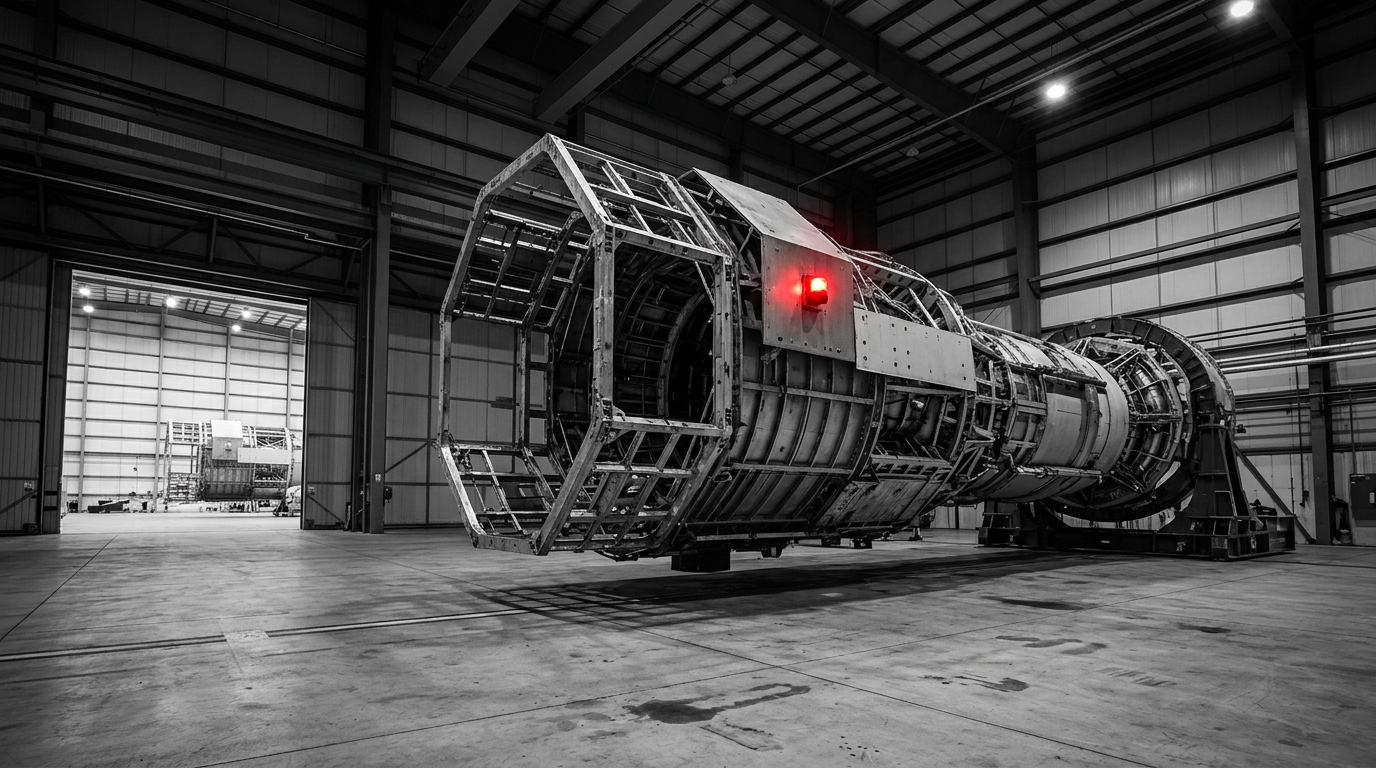
Taiwan’s inaugural test flight of a military satellite launch vehicle resulted in a trajectory anomaly and subsequent self-destruction. Chung-Shan Institute of Science and Technology confirmed no casualties or property damage occurred during the event. This failure impacts the nation's efforts to develop independent solid-fueled orbital launch capabilities.
South Korean startup Innospace experienced its second consecutive launch failure at the Alcântara Space Center. The suborbital rocket lost control shortly after liftoff, necessitating the activation of flight termination systems. These recurring technical issues highlight ongoing challenges for emerging commercial launch providers in achieving reliable flight operations.
Reports indicate that commercial access to the vehicle
Commercial satellite operators face increasing uncertainty regarding future launch availability as SpaceX signals a potential transition away from the Falcon 9 platform. Reports indicate that commercial access to the vehicle may be restricted after 2028, with priority shifting toward internal payloads and federal contracts. This shift necessitates a strategic reassessment for firms reliant on current launch infrastructure.
Additionally, a Ukrainian strike on the Progress Rocket Space Center in Samara, Russia, has impacted critical electronics production facilities. This incident represents a direct kinetic risk to Russian aerospace manufacturing capacity and supply chain stability within the sector.