Drone Strike Hits Gaza Hospital Warehouse, Casualties Reported
A drone strike hit a medical warehouse at Al-Aqsa Martyrs Hospital in Gaza, wounding three. Casualties continue to rise amid ongoing hostilities.
Atlas Newsdesk ·
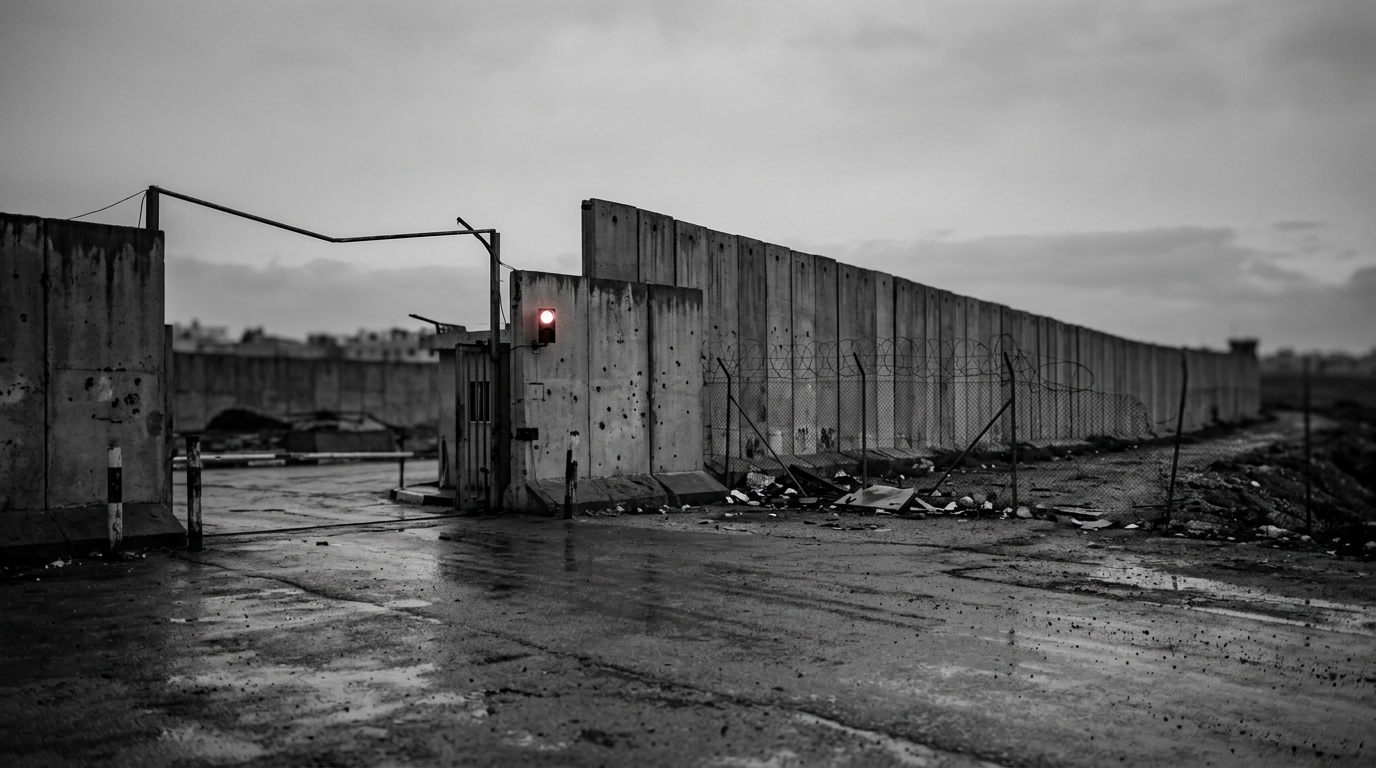
A medical supply warehouse within the Al-Aqsa Martyrs Hospital complex in Deir el-Balah, Gaza, was struck by a drone on Saturday, resulting in three injuries. The Israeli military confirmed the strike, stating its objective was a Hamas commander. This incident has severely impacted crucial medical logistics for the hospital, which is already under immense strain.
Further military actions across the Gaza Strip on the same day led to additional casualties. Another drone strike targeted a vehicle in Gaza City's Tal al-Hawa neighborhood, causing at least one death and two injuries. Separately, a fatal shooting was reported in the village of al-Musaddar.
Ongoing Military Operations and Casualties
Local health officials reported that an explosive device, deployed by an Israeli quadcopter, detonated near Kamal Adwan Hospital in northern Gaza. These incidents underscore the persistent hostilities despite ongoing discussions about a potential ceasefire framework. The Gaza Health Ministry has recorded 10 fatalities over the past 48 hours, highlighting the continuous violence.
Since the conflict began in October 2023, the cumulative death toll has surpassed 73,000, with more than 174,000 injuries documented. Independent monitoring groups estimate that between 4,000 and 5,000 individuals remain missing, many of whom are believed to be trapped beneath rubble from damaged structures.
Humanitarian Crisis and Infrastructure Challenges
Recovery operations in affected areas face significant hurdles, primarily due to restricted access that hinders rescue teams from reaching sites and locating missing persons. The repeated targeting of areas near or within medical facilities exacerbates the severe pressure on Gaza's healthcare infrastructure, which has been critically compromised for months.
This situation intensifies calls from international humanitarian organizations for enhanced protection of civilian infrastructure, including hospitals and aid facilities, as mandated by international law. The disruption of essential medical supplies and services in an already fragile healthcare system poses grave risks to both patients and medical personnel, deepening the humanitarian crisis across the territory. The continued loss of life and critical infrastructure emphasizes the urgent requirement for de-escalation and unrestricted humanitarian access.