Israel Signals Readiness for Potential Iran Strike Amid Tensions
Prime Minister Netanyahu issued a stark warning to Tehran, indicating Israel's potential readiness for military action against Iran, raising regional…
Mateo Fernandez ·
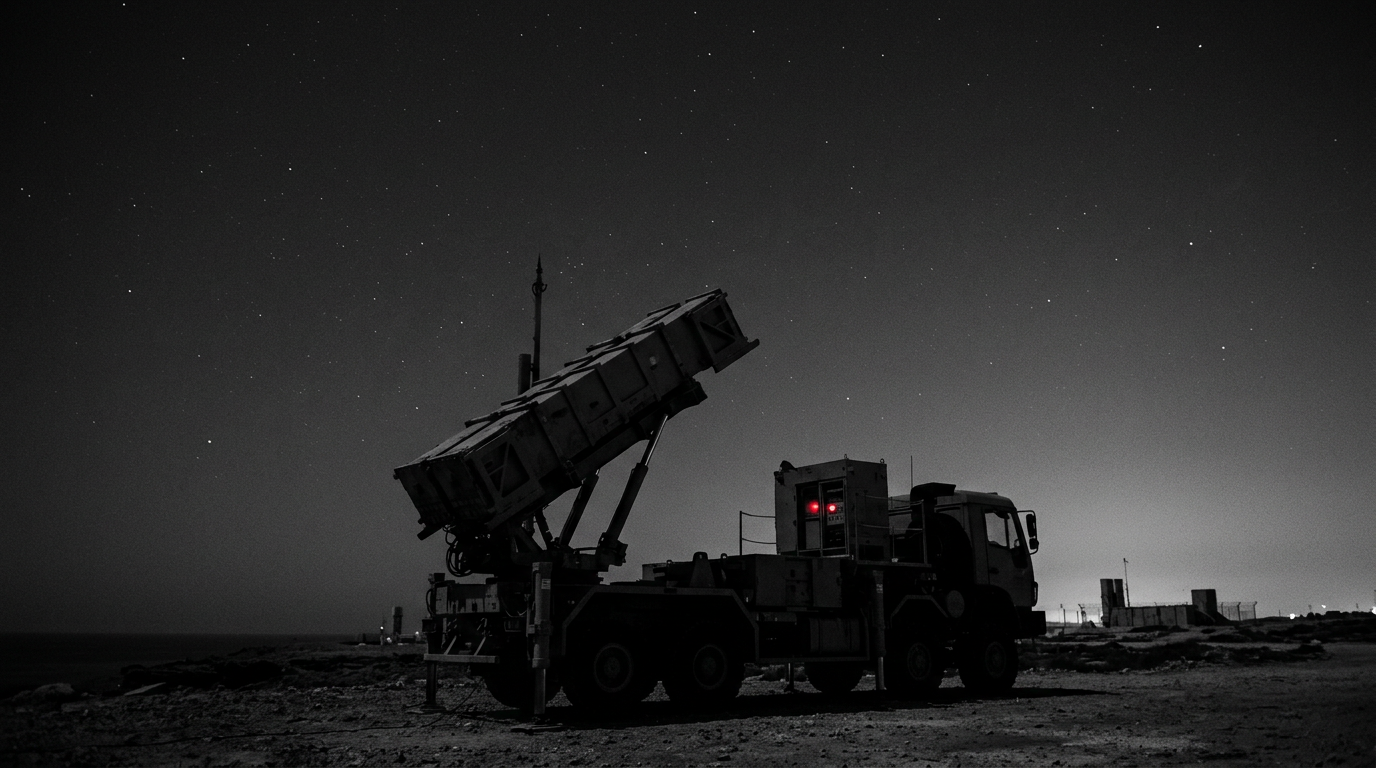
Israeli Prime Minister Benjamin Netanyahu issued a direct warning to Tehran, stating that any attack on Israel could be "one of their last decisions." This declaration signals Israel's readiness for a potential strike on Iran, adding a new dimension of escalation risk to the volatile Middle East diplomatic landscape.
The Prime Minister's remarks highlight a renewed confrontational posture between the two nations. While the statement lacked specific details regarding potential military actions, casualty figures, or operational timelines, it underscores a heightened state of tension.
Regional Security Implications
Officials have not reported any immediate significant market reactions in oil prices, foreign exchange rates, or regional equities following the warning. However, the potential for a direct military exchange between Israel and Iran holds considerable geopolitical significance, particularly concerning energy supply routes, maritime shipping security, and U.S. policy in the region.
Without concrete operational details, the immediate market response is characterized by a "risk premium watch" rather than definitive market shifts. The situation presents a critical juncture for both nations regarding their strategic communications and potential actions.
Escalation Pathways and Market Watch
For Israel, the central consideration is whether its strong deterrent language will remain within the realm of diplomatic signaling or if it will be followed by tangible military preparations. Similarly, Iran faces a decision on how to respond, whether through public warnings, actions by allied groups, or direct military engagement, each carrying distinct paths for escalation.
Should the exchange remain primarily rhetorical, the broader macroeconomic impact is likely to be confined to headline-sensitive commodities like oil and traditional safe-haven assets. However, confirmed military action from either side would significantly impact energy pricing, insurance costs for regional shipping, and place considerable pressure on international governments to de-escalate the conflict.
Observers are monitoring for official military statements from Israel or Iran, confirmed attacks, or government advisories that could affect regional airspace and shipping over the coming days, particularly within the next 24 hours.
Historical Context of Tensions
Tensions between Israel and Iran have been a persistent feature of Middle Eastern geopolitics for decades, often manifesting through proxy conflicts and rhetorical exchanges. Israel views Iran's nuclear program and its support for regional militant groups as an existential threat, while Iran often frames Israel as an occupying force and a destabilizing presence.
Previous periods of heightened alert have seen both sides engaging in covert operations and cyber warfare, alongside public warnings. The current rhetoric comes at a time when regional alliances are shifting, and international efforts to manage the Iranian nuclear program are facing renewed challenges, adding layers of complexity to any potential direct confrontation.